Maryland Pest Control Company
Miche Pest Control is a pest control company in Maryland that provides residential and commercial pest control services throughout much of Maryland. Miche Pest Control was started in 2019 by Tom Miche, after he had worked for years as a pest control technician and service manager. Since its formation in 2019, Miche Pest Control has provided high quality pest control, rodent control, mosquito control, and termite control services.
Miche Pest Control has earned a 4.9 star rating with over 1,000 reviews. With service times often available as soon as the same day, you can count on Miche Pest Control. Contact us - get your free quote on the best pest control in Maryland, and enroll in one of our quarterly pest control plans. Call today!
Maryland Service Area
Maryland Pest Control Services
- Ant Control
- Bed Bug Control
- Bee Control
- Beetle Control
- Boxelder Bug Control
- Centipede Control
- Cockroach Control
- Cricket Control
- Earwig Control
- Flea Control
- Fly Control
- Millipede Control
- Mite Control
- Mosquito Control
- Moth Control
- Silverfish Control
- Spider Control
- Springtail Control
- Stink Bug Control
- Termite Control
- Tick Control
- Wasp Control
Maryland Wildlife Control Services
Maryland Exterminators
Choosing our local exterminators in Maryland offers advantages that national companies simply can’t match, especially when dealing with pests that are heavily shaped by the state’s climate and ecosystem. Our local professionals work in these conditions every day and understand how Maryland’s humidity, seasonal shifts, and dense tree cover influence pest behavior. We know, for example, how moisture-heavy summers accelerate termite and ant activity, how quickly mice move indoors during Chesapeake Bay cold snaps, and how to time treatments around the life cycles of mosquitoes, ticks, and invasive species common in the region. That depth of familiarity leads to faster diagnosis, more accurate targeting, and long-term prevention instead of one-size-fits-all solutions.
Another major benefit is responsiveness. Our local team can schedule appointments more quickly, and provide more personalized communication, as well as consistent technicians who actually get to know your property. That continuity matters in Maryland, where many homes—especially older ones—have quirks that affect pest entry points and pressure. Our team also prioritizes our reputation in our community, so our workmanship, reliability, and accountability are better than what you get from a rotating national crew.
Our local exterminators also tailor our treatments to Maryland regulations, environmental concerns, and neighborhood-specific pest trends that national brands may overlook. Whether it’s dealing with the state’s aggressive termite zones, managing spotted lanternfly activity, or keeping up with individual county requirements around schools, waterways, or pollinator safety, our local expertise translates into safer, more precise decisions.
Ultimately, hiring our Maryland-based pest professionals means investing in someone who understands the real conditions your home faces, provides service that isn’t rushed or generic, and is deeply invested in outcomes rather than volume. For most homeowners, that combination results in better protection, fewer callbacks, and significantly more value over time.
Maryland Pest Control
Pest control plays an unusually critical role in Maryland because the state’s climate, geography, and dense mix of urban, suburban, and rural environments create ideal conditions for a wide range of pests to thrive. Maryland’s humid, mid-Atlantic weather allows insects like mosquitoes, ants, termites, and cockroaches to stay active for long stretches of the year, while mild winters often fail to significantly reduce their populations. Wood-destroying insects—especially subterranean termites—are a major concern because Maryland’s soil composition and moisture levels help colonies expand rapidly and cause costly structural damage. Rodents are another persistent issue, driven by Maryland’s older housing stock, heavy wooded areas, and proximity to waterways, which offer abundant food sources and shelter. Additionally, the state’s proximity to ports and interstate transit corridors makes it more vulnerable to invasive species such as stink bugs, spotted lanternflies, and various hitchhiking pests that disrupt agriculture, landscaping, and native ecosystems. Public-health risks also run high: mosquitoes contribute to the spread of West Nile virus, ticks are prevalent due to thriving deer populations and forested regions, and rodents continue to be vectors for bacteria and allergens that affect indoor air quality. Taken together, these factors make proactive, professional pest management essential—not only to protect homes and businesses but also to safeguard Maryland’s environment, food systems, and community health.
Maryland Ant Control
Ant control is particularly important in Maryland because the state’s warm, humid summers and diverse habitats provide ideal conditions for a wide range of species of ants, including nuisance and structural pests. Species such as carpenter ants can cause significant property damage by tunneling through wood, weakening structural integrity, and creating costly repair issues in homes and commercial buildings. Other ant species, like odorous house ants and pavement ants, contaminate food, invade kitchens, and create unsanitary conditions, posing health risks to residents and businesses. Maryland’s dense suburban and urban environments, combined with older housing and landscaping features, make it easier for ant colonies to establish and spread quickly. Effective ant control in Maryland is therefore critical to protect property from structural damage, maintain food safety and sanitation, prevent recurring infestations, and implement environmentally responsible management strategies that target colonies efficiently while minimizing chemical exposure.
Maryland Bed Bug Control
Our professional bed bug control is especially important in Maryland because the state’s housing mix, population density, and travel patterns create conditions where bed bugs spread quickly and are notoriously difficult to eliminate without our expert intervention. Maryland’s many apartment complexes, rowhomes, student housing areas, military communities, and commuter-heavy regions make bed bugs highly mobile; they move easily between units, hitchhike on public transportation, and spread rapidly through shared walls in multifamily buildings. DIY treatments rarely address these complex transmission routes and often drive these bugs deeper into hiding, allowing infestations to rebound even stronger.
Bed bugs in Maryland also show increasing resistance to common over-the-counter sprays, making store-bought products ineffective and sometimes harmful when misused. Our professionals rely on modern treatment methods—such as targeted heat applications, precise residual products, and detailed inspection tools—that eliminate all life stages, including eggs. This matters greatly in Maryland’s climate, where warm months accelerate bed bug reproduction and cooler months drive people indoors, increasing exposure and transfer.
Another key advantage of hiring our professionals is our ability to identify the true extent of the infestation. Bed bugs often hide in electrical outlets, baseboards, wall voids, and furniture seams, and Maryland’s many older homes provide abundant cracks and crevices where bugs can thrive unnoticed. Our skilled technicians understand these structural vulnerabilities and tailor their approach to the style and age of the property, ensuring a complete and thorough eradication plan.
Our professionals also help navigate the challenges specific to multifamily living, which is widespread in Maryland. Coordinated treatment, proper communication protocols, and preventive measures across neighboring units are crucial—and typically impossible without experts who know how to work with property managers and follow state guidelines.
Ultimately, our professional bed bug control provides reliable elimination, prevents costly re-infestations, and addresses the unique housing and community factors that make Maryland particularly prone to rapid bed bug spread. We deliver precision, safety, and long-term peace of mind that DIY efforts cannot match.
Maryland Bee Control
Bee control is important in Maryland because, while bees play a vital ecological role as pollinators, their colonies can pose serious safety and property risks when they establish nests near human activity. In Maryland, bees often build hives in attics, wall voids, sheds, trees, or other structures close to homes, schools, and businesses, where their presence increases the risk of stings, especially for children, the elderly, or individuals with allergies. Bee stings can trigger severe allergic reactions, and large colonies can create noise, odors, and structural concerns if nests are left unchecked. Additionally, uncontrolled bee activity can interfere with outdoor recreation, landscaping, and commercial operations. Effective bee control in Maryland is therefore critical to protect public safety, prevent property damage, and manage colonies responsibly. Proper management often involves relocation by trained professionals to preserve bee populations while reducing human–wildlife conflicts in compliance with state and environmental guidelines.
Maryland Beetle Control
Beetle control is especially important in Maryland because the state’s diverse climate, extensive agricultural areas, and wooded and suburban landscapes create ideal conditions for a wide variety of beetle species, many of which can cause significant damage to crops, landscaping, and structures. Agricultural pests, such as the Japanese beetle, feed on fruits, vegetables, ornamental plants, and turf, reducing crop yields, harming gardens, and impacting both commercial and residential properties. Wood-boring beetles, including powderpost beetles and bark beetles, can infest structural lumber, furniture, and firewood, compromising the integrity of homes and other buildings. In Maryland’s urban and suburban areas, beetle infestations can also create nuisance problems indoors, contaminating stored food or invading living spaces. Because many beetles reproduce rapidly and can spread quickly, even small populations can escalate into serious infestations. Effective beetle control in Maryland is therefore critical to protect agricultural productivity, preserve property and landscaping, prevent structural damage, and implement targeted, environmentally responsible strategies tailored to the specific beetle species present.
Maryland Boxelder Bug Control
Boxelder bug control is particularly important in Maryland because the state’s mix of residential areas, ornamental landscaping, and boxelder or maple trees provides ideal habitats for these insects, which can become a major nuisance when populations are high. Boxelder bugs do not pose a direct health risk, but they invade homes, schools, and businesses in large numbers during the fall as they seek sheltered overwintering sites, often congregating on walls, windows, attics, and siding. Their presence can stain surfaces with excrement, create unpleasant odors, and make outdoor spaces uncomfortable for homeowners. Additionally, while they primarily feed on seeds from boxelder and other maples, large populations can damage young trees and ornamental plants. In Maryland, where both urban and suburban developments are dense and tree-lined, unchecked infestations can recur annually, escalating nuisance problems. Effective boxelder bug control is therefore essential to prevent home invasions, protect landscaping, reduce property staining and odor issues, and implement environmentally responsible management practices that minimize disruption to surrounding ecosystems.
Maryland Centipede Control
Centipede control is important in Maryland because the state’s humid climate, abundant leaf litter, and damp environments create ideal conditions for centipedes to thrive both outdoors and within homes. While most centipedes are not dangerous to humans, larger species can deliver painful bites, and their presence inside residences can cause anxiety and discomfort for occupants. In Maryland homes, centipedes often enter basements, crawl spaces, bathrooms, and other damp areas, where they feed on other insects, which can indicate or exacerbate broader pest problems. Large populations of centipedes can also become a nuisance, leaving trails or contributing to unsanitary conditions in infested areas. Because centipedes reproduce relatively quickly and seek shelter in human structures during certain seasons, infestations can grow if left unmanaged. Effective centipede control in Maryland is essential to reduce nuisance, minimize bite risks, prevent the spread of other pests, and implement environmentally responsible management strategies that address the moisture and habitat conditions that attract them.
Maryland Cockroach Control
Cockroach control is critically important in Maryland because the state’s warm, humid climate, dense urban areas, and older housing stock create ideal conditions for these pests to thrive year-round. Cockroaches are notorious carriers of bacteria, pathogens, and allergens that can contaminate food, surfaces, and indoor air, posing serious public health risks, including the spread of salmonella, E. coli, and asthma triggers. In Maryland homes, restaurants, schools, and businesses, infestations can lead to food contamination, structural damage, and reputational harm for commercial establishments. Cockroaches reproduce rapidly, making small infestations difficult to eradicate and allowing populations to escalate quickly if left unmanaged. Effective cockroach control in Maryland is therefore essential to protect public health, maintain sanitary conditions, prevent property damage, and implement professional, environmentally responsible management strategies that address both immediate infestations and underlying conditions that support their growth.
Maryland Cricket Control
Cricket control is important in Maryland because the state’s warm summers, humid conditions, and abundant grassy and wooded areas provide ideal habitats for crickets, which frequently enter homes and commercial properties. While crickets are generally harmless, their presence can create significant nuisance issues, including loud chirping that disrupts sleep and daily activities, especially in suburban and urban areas. Crickets can also damage fabrics, paper products, and stored food, and their droppings may contribute to unsanitary conditions over time. In agricultural and landscaped areas of Maryland, crickets feed on seedlings, flowers, and young plants, potentially harming crops and ornamental gardens. Because crickets reproduce quickly and seek shelter indoors during cooler months, infestations can escalate rapidly if not properly managed. Effective cricket control in Maryland is therefore essential to prevent property damage, reduce noise and nuisance, protect plants and landscaping, and implement strategies that are safe, targeted, and environmentally responsible.
Maryland Earwig Control
Earwig control is important in Maryland because the state’s humid climate, gardens, and landscaped areas provide ideal conditions for these insects to thrive, often near homes and agricultural properties. While earwigs are generally not dangerous to humans, they can become significant nuisances by invading homes, basements, and crawl spaces, where they feed on paper, fabrics, and household debris. Outdoors, earwigs can damage gardens, flower beds, and young crops by feeding on leaves, fruits, and seedlings, reducing plant health and aesthetic value. In Maryland, where residential and commercial landscaping is prevalent, unchecked earwig populations can multiply rapidly, especially during wet seasons, increasing the risk of both indoor infestations and garden damage. Effective earwig control is therefore essential to protect plants and landscaping, reduce nuisance infestations inside homes, and implement environmentally responsible strategies that address the moisture and shelter conditions that favor their proliferation.
Maryland Flea Control
Flea control is especially important in Maryland because the state’s warm, humid summers and abundant wildlife provide ideal conditions for flea populations to thrive, posing serious health and comfort concerns for humans, pets, and livestock. Fleas are vectors for a variety of diseases, including murine typhus, tularemia, and cat scratch disease, and can trigger allergic reactions in both people and animals. In Maryland, where homes often coexist with wildlife such as raccoons, opossums, and rodents, fleas can easily spread from wild hosts to pets and humans, leading to infestations inside homes and yards. Fleas reproduce rapidly, meaning that small infestations can escalate quickly, causing ongoing discomfort, skin irritation, and potential disease transmission. Effective flea control in Maryland is critical to protect public health, safeguard pets, prevent property infestations, and implement environmentally responsible management strategies that address both the indoor and outdoor components of flea life cycles.
Maryland Fly Control
Fly control is particularly important in Maryland because the state’s warm summers, high humidity, and dense human and animal populations create ideal conditions for fly proliferation, which can have serious public health, sanitation, and economic consequences. Flies, including house flies, stable flies, and fruit flies, are known carriers of pathogens that can spread diseases such as salmonella, E. coli, and other bacterial infections to humans, pets, and livestock. In Maryland’s urban, suburban, and agricultural settings, uncontrolled fly populations can contaminate food, utensils, livestock feed, and surfaces, posing a significant health risk. Flies also create nuisance issues in homes, restaurants, farms, and outdoor recreational areas, affecting comfort, productivity, and business operations. Because flies reproduce rapidly, populations can escalate quickly if breeding sites—such as garbage, compost, manure, and decaying organic matter—are not properly managed. Effective fly control in Maryland is therefore essential to protect public health, maintain sanitary conditions, prevent economic losses, and implement targeted, environmentally responsible management strategies.
Maryland Millipede Control
Millipede control is important in Maryland because the state’s moist climate, abundant leaf litter, mulch, and garden environments create ideal conditions for large populations of millipedes to thrive near homes and landscaping. While millipedes are generally not harmful to humans or pets, they can become a significant nuisance when they invade buildings in search of moisture, often congregating in basements, crawl spaces, garages, and around foundations. Their presence can lead to slippery surfaces, unpleasant odors, and general discomfort for residents. In gardens and landscaped areas, large millipede populations can feed on tender plants, seedlings, and decaying vegetation, potentially affecting the health and aesthetics of outdoor spaces. Because millipedes reproduce quickly and seek shelter during Maryland’s wet seasons, infestations can grow rapidly if left unmanaged. Effective millipede control is therefore essential to minimize household and garden nuisance, prevent property intrusion, and implement environmentally responsible strategies that address moisture and habitat conditions conducive to their proliferation.
Maryland Mite Control
Mite control is especially important in Maryland because the state’s humid climate, dense vegetation, and diverse animal populations create ideal conditions for various species of mites to thrive, potentially affecting humans, pets, and livestock. Mites such as bird mites, rodent mites, and scabies-causing mites can infest homes and businesses when their primary hosts—birds, rodents, or other wildlife—are present, leading to itching, skin irritation, and allergic reactions in humans. In Maryland’s agricultural and suburban settings, mites also threaten poultry, livestock, and pets by causing stress, disease transmission, reduced productivity, and fur or feather damage. Because mites reproduce rapidly and can spread quickly within infested areas, even small populations can escalate into significant health and economic problems. Effective mite control in Maryland is critical to protect public health, prevent infestations in homes and businesses, safeguard animal health, and implement management strategies that are safe, targeted, and environmentally responsible.
Maryland Mosquito Control
Our professional mosquito control is particularly valuable in Maryland because the state’s climate, geography, and water-rich landscape create some of the most intense mosquito pressure on the East Coast. Warm, humid summers and frequent rainfall produce ideal breeding conditions, allowing mosquito populations to explode quickly—often faster than DIY products can keep up with. Between the Chesapeake Bay, extensive marshlands, wooded suburban neighborhoods, and dense residential communities, there are countless micro-habitats where mosquitoes breed, many of which are easy to miss without trained inspection. Our professionals know how to identify these hidden sources, evaluate moisture traps around the property, and treat the areas where mosquitoes actually rest and reproduce, rather than relying on surface-level spray techniques that provide only short-lived relief.
Maryland also faces notable public-health concerns tied to mosquitoes. West Nile virus is consistently detected in the state each year, and the combination of migratory bird pathways and standing-water environments in counties like Anne Arundel, Prince George’s, and Baltimore increases the likelihood of disease-carrying mosquito activity. Our professional programs use targeted products and precise application methods that are far more effective and longer-lasting than over-the-counter sprays, while still being compliant with Maryland’s strict environmental regulations around pollinators, waterways, and buffer zones. This reduces risk without creating unintended harm to beneficial insects or local ecology.
Another reason our professional control is so important is the seasonal predictability of mosquito surges in Maryland. Because our team monitors local weather patterns and county-specific mosquito trends, we time our treatments strategically—before major hatching events and before peak humidity spikes. That proactive approach provides consistent suppression rather than reacting once populations become overwhelming. Our team also combines barrier treatments with larvicide strategies, breeding-site elimination, and property-specific recommendations that create long-term reduction rather than temporary decreases.
In a state where mosquitoes are persistent, aggressive, and closely tied to both comfort and health concerns, our professional mosquito control delivers a level of precision, safety, and reliability that DIY solutions cannot match. It ensures your yard remains usable throughout Maryland’s long warm season, reduces disease risk, and provides sustained protection tailored to the region’s unique environmental pressures.
Maryland Moth Control
Moth control is particularly important in Maryland because the state’s humid climate, varied vegetation, and abundance of stored food and textiles create ideal conditions for moths to thrive. Indian meal moths infest stored grains, cereals, nuts, and dried foods, contaminating them with larvae, webbing, and fecal matter, which can lead to significant food waste and economic loss for homeowners and businesses alike. Clothes moths target natural fibers such as wool, silk, and cotton, causing damage to clothing, upholstery, and carpets. In Maryland, where older homes and seasonal storage of clothing and household items are common, moth infestations can go unnoticed for months, allowing populations to expand rapidly. Effective moth control is therefore essential to prevent property and food damage, protect personal belongings, and reduce recurring infestations through proper monitoring, sanitation, and professional management practices tailored to the state’s specific environmental and storage conditions.
Maryland Silverfish Control
Silverfish control is important in Maryland because the state’s humid climate, older homes, and areas with high moisture—such as basements, bathrooms, and attics—create ideal conditions for these pests to thrive. Silverfish feed on starchy materials and proteins, including paper, book bindings, wallpaper, clothing, and stored food, leading to damage of valuable household items, important documents, and personal belongings. In Maryland, where many homes have older construction with cracks, crevices, and leaky plumbing, infestations can grow unnoticed, making eradication more difficult over time. Additionally, silverfish reproduce quickly, allowing populations to escalate and persist if moisture and food sources are not managed. Effective silverfish control in Maryland is therefore essential to protect property and personal items, prevent recurring infestations, reduce structural damage, and maintain a hygienic living environment, all while addressing the underlying conditions that support their proliferation.
Maryland Spider Control
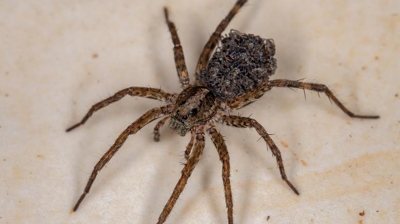
Spider control is particularly important in Maryland because the state’s varied habitats, moderate climate, and abundant vegetation create ideal conditions for both common and potentially harmful spider species to thrive near human activity. While most spiders are harmless and even beneficial for controlling insect populations, certain species in Maryland, such as the black widow spider, pose real health risks due to venomous bites. Spiders frequently build webs in homes, attics, basements, garages, sheds, and outdoor structures, creating nuisance issues, unsightly conditions, and the potential for accidental encounters with humans or pets. In addition, large infestations can trigger allergies and increase anxiety for residents, especially in densely populated suburban areas. Effective spider control in Maryland is essential to reduce the risk of bites, prevent property contamination, maintain a safe and comfortable living environment, and ensure management strategies target problem species while preserving the ecological benefits of non-harmful spiders.
Maryland Springtail Control
Springtail control is important in Maryland because the state’s humid climate, frequent rainfall, and widespread mulch, leaf litter, and damp soil provide ideal conditions for these tiny insects to thrive. While springtails do not bite or transmit disease, their rapid reproduction and tendency to invade homes, greenhouses, and agricultural environments can create significant nuisance problems. In Maryland, springtails often appear in large numbers around windows, basements, kitchens, bathrooms, and other areas with moisture, where their presence can alarm residents, contaminate stored products, and interfere with normal household or commercial operations. They can also damage young plants, seedlings, and greenhouse crops by feeding on roots and decaying plant matter, impacting both landscaping and agricultural productivity. Effective springtail control in Maryland is therefore essential for reducing indoor infestations, protecting ornamental and agricultural plants, preventing recurring problems, and managing moisture conditions that contribute to their proliferation, all in a way that is safe and environmentally responsible.
Maryland Stink Bug Control
Stink bug control is particularly important in Maryland because the state’s agricultural sector, gardens, and suburban landscapes provide ideal habitats for these pests, particularly the invasive brown marmorated stink bug. Stink bugs feed on a wide variety of crops, fruits, and ornamental plants, causing significant agricultural losses in apples, peaches, tomatoes, corn, and other crops common in Maryland. Their feeding damages plant tissue, leaves behind unsightly blemishes, and can render produce unsellable or reduce yield quality, directly impacting both commercial farmers and home gardeners. In addition to crop damage, stink bugs become a major nuisance in the fall and winter months when they seek shelter in homes and buildings. They enter through cracks and gaps in walls, windows, and roofs, where large numbers can accumulate, producing a strong, unpleasant odor when crushed or disturbed. Effective stink bug control in Maryland is essential to protect agricultural productivity, prevent structural infestations, reduce nuisance impacts on homeowners, and manage this invasive species in an environmentally responsible and regulated manner.
Maryland Termite Control
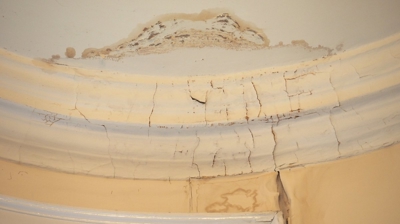
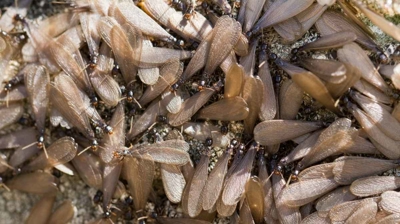
Hiring our termite exterminators in Maryland is especially important because the state sits squarely in one of the highest termite-pressure zones in the country. Maryland’s warm, humid climate and moisture-retaining soil create ideal conditions for subterranean termites to remain active for extended periods, often causing damage long before homeowners notice visible signs. Crawlspaces, basements, and older foundations—common throughout Maryland—tend to trap moisture, which accelerates both colony growth and wood decay, making structures even more attractive to termites. Our professional inspectors know how to identify the early indicators that are easy to miss, from subtle mud-tube formations to moisture pockets around sill plates, joists, and expansion cracks unique to homes in this region.
Maryland properties are also at high risk because many neighborhoods mix mature trees, mulch beds, and aging structures—an environment that encourages large, established termite colonies. Once a colony matures in Maryland’s soil, it can spread to multiple homes, meaning a single property owner’s DIY efforts often aren’t enough to protect against re-infestation. Our professionals use specialized equipment and advanced detection techniques that reveal activity hidden behind walls, under slabs, and in foundation voids where termites thrive undisturbed.
Termite treatment laws and regulations is another area where professional service becomes essential. Maryland’s environmental regulations influence how and where termite control products can be applied, especially near waterways and drainage systems. Our licensed exterminators understand these requirements and have access to high-performance termiticides and baiting systems that eliminate the entire colony rather than just repelling or scattering termites. We also design long-term protection plans tailored to local conditions, including routine monitoring that accounts for seasonal moisture swings and soil movement.
Given the potential for major structural damage, high termite activity levels, and the difficulty of detecting colonies in Maryland’s environment, our professional inspection and treatment provide a level of protection that DIY approaches simply can’t deliver. It’s the most reliable way to ensure your home remains structurally sound and safeguarded against one of the state’s most destructive pests.
Maryland Tick Control
Tick control is especially important in Maryland because the state’s climate, dense forests, suburban development, and abundant wildlife create ideal conditions for ticks, particularly blacklegged ticks (deer ticks) that carry Lyme disease. Maryland consistently ranks among the states with high incidences of tick-borne illnesses, including Lyme disease, anaplasmosis, and babesiosis, which can have serious, long-term health consequences if not promptly treated. Ticks thrive in wooded areas, tall grasses, and leaf litter, but in Maryland, they often encroach on residential properties, parks, and recreational areas, increasing the risk of human and pet exposure. Uncontrolled tick populations also contribute to the spread of disease among wildlife, livestock, and domestic animals. Effective tick control in Maryland is critical for protecting public health, reducing the risk of disease transmission, safeguarding pets and livestock, and managing outdoor spaces safely through targeted interventions such as habitat modification, professional treatment, and preventive measures tailored to the state’s specific environmental conditions.
Maryland Wasp Control
Wasp control is particularly important in Maryland because the state’s warm summers and abundant flowering plants create ideal conditions for large wasp populations to establish nests near human activity, posing significant health, safety, and property concerns. In Maryland, common wasps such as paper wasps, yellow jackets, and hornets are highly territorial and can become aggressive when their nests are disturbed, increasing the risk of painful stings, allergic reactions, and, in severe cases, life-threatening anaphylaxis. Wasps often build nests in eaves, attics, sheds, trees, and shrubs, frequently in areas with high human traffic, such as backyards, playgrounds, and outdoor dining spaces, which raises the likelihood of accidental encounters. Beyond the immediate sting risk, wasp activity can interfere with outdoor recreation, landscaping maintenance, and business operations. Effective wasp control in Maryland is critical to protect public safety, reduce allergic and injury risks, prevent property damage from nests, and ensure nests are removed or managed safely and in accordance with best practices for both humans and the environment.
Maryland Rodent Control
Hiring our professional rodent control in Maryland is especially important because Maryland's environment creates persistent, high-pressure conditions for mice and rats—conditions that DIY methods rarely address effectively. Maryland’s mix of wooded suburbs, older housing, coastal waterways, and dense urban pockets provides constant shelter and food sources for rodents. Mild winters often allow populations to survive year-round, and heavy seasonal rainfall drives rodents indoors far more aggressively than in drier regions. Our professionals understand these patterns and know how to track the specific entry points and nesting behaviors that are common in Maryland homes, from foundation gaps caused by moisture expansion to roofline vulnerabilities in aging rowhomes and colonials.
Rodents in Maryland also carry significant health risks. Mice and rats spread bacteria, contaminate stored food, trigger asthma through droppings and dander, and carry parasites that are common in the region. Their gnawing can damage wiring, insulation, and HVAC components—problems that become expensive quickly. Our professional technicians are trained to eliminate the full colony, not just the visible activity, reducing the risk of recurring infestations that are typical when DIY traps only address individual rodents.
Equally important is the preventive strategy that comes with our expert services. Maryland properties often require a combination of exclusion work, sanitation guidance, landscape adjustments, and targeted baiting placed in compliance with state and local regulations. Our professionals understand county-by-county differences, including wildlife rules and safety standards near waterways or sensitive habitats. We also know how seasonal shifts—such as fall invasions before the Chesapeake cold sets in—affect rodent pressure and can time treatments accordingly.
Our professional rodent control in Maryland delivers far greater precision, long-term protection, and safety than store-bought solutions. It addresses the structural realities of Maryland homes, the health risks associated with the state’s rodent populations, and the seasonal patterns that drive infestations. The result is reliable elimination and durable prevention, not temporary relief.
Maryland Chipmunk Control
Chipmunk control is important in Maryland because the state’s mix of wooded areas, suburban developments, and agricultural land provides ideal habitats for chipmunks to thrive near human activity, leading to property and landscape damage. Chipmunks dig extensive burrow systems that can destabilize lawns, garden beds, and the foundations of small structures, while their nesting and food-gathering behaviors can damage plants, bulbs, and ornamental shrubs. In residential areas of Maryland, chipmunks often invade gardens, flower beds, and compost piles, undermining landscaping and creating tripping hazards with their tunnels. Additionally, chipmunks can carry ticks and other parasites that may pose indirect health risks to humans and pets. Because chipmunks reproduce rapidly during the spring and summer, infestations can quickly escalate if left unmanaged. Effective chipmunk control in Maryland is essential for preserving landscaping, preventing structural and plant damage, reducing potential health risks, and ensuring humane management that complies with local wildlife regulations.
Maryland Mouse Control
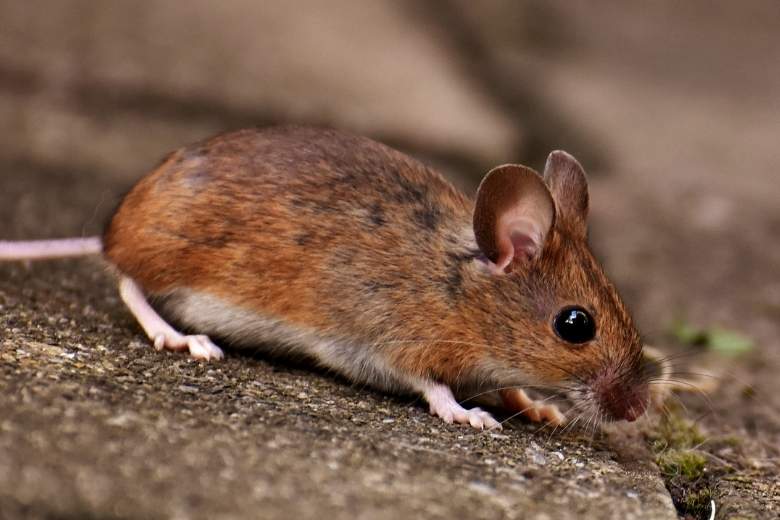
Mouse control is particularly important in Maryland because the state’s combination of mild winters, dense residential development, and abundant food sources allows mice to thrive year-round, often in close proximity to humans. House mice and deer mice frequently invade homes, businesses, and agricultural buildings, where they contaminate food, damage insulation and wiring, and spread diseases such as hantavirus, salmonellosis, and leptospirosis, posing serious health risks to people and pets. In Maryland, older homes and structures with multiple entry points are especially vulnerable to infestations, and the rapid reproductive rate of mice means small populations can escalate quickly, creating persistent problems that are difficult to eliminate without professional intervention. Mice also cause structural damage through gnawing and nesting, which can compromise walls, ceilings, and electrical systems. Effective mouse control in Maryland is critical to protect public health, safeguard property, prevent food contamination, and implement humane and environmentally responsible management strategies that comply with state and local regulations.
Maryland Rat Control
Rat control is particularly important in Maryland because the state’s urban density, extensive transportation networks, and moderate climate provide ideal conditions for rats to thrive year-round, creating significant public health, safety, and property concerns. Rats in Maryland, primarily Norway rats and roof rats, carry and transmit diseases such as leptospirosis, salmonellosis, and hantavirus, which pose risks to humans and pets. They contaminate food sources, chew through wiring and insulation, and gnaw on structural components, leading to fire hazards, costly property damage, and electrical failures. In urban and suburban areas of Maryland, rat populations can grow rapidly due to abundant access to garbage, sewers, and shelter in buildings, basements, and attics, making infestations difficult to control without professional intervention. Additionally, rats reproduce quickly, so small populations can escalate into severe infestations in a short period of time. Effective rat control in Maryland is essential to protect public health, prevent property destruction, safeguard food supplies, and ensure that management strategies comply with local regulations while minimizing environmental impact.
Maryland Squirrel Control
Squirrel control is especially important in Maryland because the state’s extensive tree cover, mild climate, and dense suburban development create ideal conditions for large squirrel populations to live in close proximity to homes and businesses. In Maryland, gray squirrels and flying squirrels frequently enter attics, wall voids, and chimneys through small roofline gaps, where they chew on electrical wiring, wood framing, and insulation, significantly increasing the risk of fires and costly structural damage. Squirrels also nest indoors during colder months and breeding seasons, leading to noise issues, odors, and contamination from droppings and urine. Outside, their constant gnawing damages roofs, siding, decks, gardens, and landscaping, while their digging and feeding habits can destroy plants and turf. Because squirrels are protected wildlife in Maryland, improper trapping or removal can violate state regulations and worsen infestations if exclusion is not handled correctly. Effective squirrel control in Maryland is essential to protect property, reduce fire and safety hazards, prevent recurring damage, and ensure wildlife is managed humanely and in full compliance with state laws.
Maryland Vole Control
Vole control is especially important in Maryland because the state’s moderate climate, fertile soils, and extensive lawns, gardens, orchards, and agricultural fields create ideal conditions for vole populations to grow rapidly and remain active for much of the year. Voles feed on grasses, roots, bulbs, and bark, and in Maryland they frequently damage lawns, ornamental plantings, young trees, and crops by gnawing at root systems and girdling trunks, often killing plants before the problem is noticed. Their shallow tunnel networks and surface runways weaken turf and soil, detracting from property appearance and reducing land usability in residential, commercial, and agricultural settings. Because voles reproduce quickly and can have multiple breeding cycles in Maryland’s relatively mild winters, infestations can escalate in a short period of time if left unmanaged. Effective vole control is critical to protecting landscaping investments, preserving agricultural productivity, and preventing long-term plant and soil damage through targeted, professional management rather than reactive or temporary solutions.
Maryland Wildlife Control
Our professional wildlife control is particularly important in Maryland because the state’s diverse landscapes—ranging from dense suburbs and farmland to heavily wooded areas and the Chesapeake Bay watershed—support a wide variety of wildlife that frequently enters homes and businesses. Animals like raccoons, squirrels, bats, and groundhogs take advantage of Maryland’s older housing stock, attic spaces, crawlspaces, and abundant food sources. Once inside, they can cause extensive structural damage by chewing wiring, tearing insulation, contaminating surfaces, and compromising ventilation systems. Our professionals understand the specific species common to each Maryland region and know how they behave seasonally—whether squirrels are seeking nesting sites before winter, raccoons are raising young in attics during spring, or bats are moving through migration cycles that affect when and how they can be removed legally.
Wildlife issues in Maryland also intersect with health and safety concerns. Raccoons, bats, and other animals can carry rabies, parasites, and airborne pathogens that pose serious risks, especially in enclosed spaces. Attempting removal without proper equipment or training can lead to bites, contamination, or accidental separation of mothers from their young—creating bigger problems and unnecessary suffering. Our professional wildlife specialists use safe, humane methods that comply with Maryland’s strict wildlife regulations, which govern trapping practices, protected species, exclusion timing, and relocation rules. This ensures that animals are handled responsibly, legally, and without creating additional hazards.
Another major benefit of hiring our professionals is long-term prevention. Maryland’s wildlife pressures are often driven by structural vulnerabilities—gaps along rooflines, deteriorating fascia, foundation openings, damaged attic vents, and soil erosion around decks or sheds. Our experts don’t just remove the animal; we identify how it entered, perform exclusion work tailored to Maryland’s building styles and climate, and recommend environmental adjustments that reduce future activity. We also understand how storm patterns, seasonal temperature swings, and local ecosystem changes affect wildlife behavior, allowing for anticipatory rather than reactive solutions.
In a state where human–wildlife interactions are common, highly regulated, and potentially hazardous, our professional wildlife control provides the safest, most effective, and most durable approach. It protects your property, your health, and the animals themselves while delivering outcomes that DIY methods can’t reliably achieve.
Maryland Badger Control
Badger control is important in Maryland because, although badgers are relatively rare in the state, their presence can cause significant localized damage and safety concerns when they establish themselves near residential, agricultural, or commercial properties. American badgers are powerful diggers that create large, deep burrow systems capable of undermining fields, lawns, road shoulders, fence lines, and structural foundations, posing hazards to people, vehicles, farm equipment, and livestock. In Maryland’s agricultural and semi-rural areas, badgers can disrupt crops and pastureland while their burrows increase the risk of injuries to animals and humans due to sudden ground collapse. Badgers can also become aggressive if cornered or threatened, creating a safety risk for property owners and pets. Because badgers are protected wildlife in Maryland, improper handling or untrained removal can be illegal and dangerous. Our professional badger control is essential to address these issues safely, prevent property and land damage, reduce human–wildlife conflicts, and ensure all management efforts comply with Maryland wildlife laws while protecting both public safety and the animal itself.
Maryland Bat Control
Bat control is especially important in Maryland because the state’s climate, older housing stock, and abundant natural habitats make it an ideal environment for bats to roost in close proximity to people. Many Maryland homes, particularly historic and suburban structures, provide easy access points for bats through small gaps in roofs, siding, and attics, allowing colonies to establish themselves inside buildings. While bats play an important ecological role by controlling insect populations, their presence in structures creates serious health and safety concerns. In Maryland, bats are one of the primary wildlife carriers of rabies, and even a single bat inside a living space requires careful handling due to the risk of unnoticed exposure. Bat guano accumulation in attics can contaminate insulation, promote mold growth, and expose occupants to histoplasmosis, a respiratory disease linked to fungal spores found in bat droppings. Additionally, Maryland law strictly protects bats, limiting when and how they can be removed, particularly during maternity season, which makes improper or untrained removal both illegal and dangerous. Effective bat control in Maryland is critical to protect public health, prevent structural contamination, and ensure bats are excluded humanely and in full compliance with state and federal wildlife regulations.
Maryland Bird Control
Bird control is important in Maryland because the state’s diverse habitats, dense urban centers, coastal regions, and agricultural areas attract large bird populations that can create significant health, safety, and property challenges when not properly managed. Certain bird species commonly found in Maryland, such as pigeons, starlings, and gulls, often roost and nest on buildings, bridges, and commercial facilities, where their droppings can corrode structures, clog drainage systems, and create unsanitary conditions. Accumulated bird waste can harbor bacteria, fungi, and parasites that pose health risks to people and pets, particularly in high-traffic public spaces. In agricultural settings, birds can cause substantial crop damage and food contamination, leading to economic losses. Uncontrolled bird activity can also increase slip-and-fall hazards and interfere with ventilation systems and equipment. Effective bird control in Maryland is essential for protecting public health, preserving infrastructure, maintaining regulatory compliance, and managing bird populations in a humane, environmentally responsible manner that balances wildlife conservation with human safety and property protection.
Maryland Groundhog Control
Groundhog control is particularly important in Maryland because the state’s mix of farmland, suburban neighborhoods, and open green spaces provides ideal conditions for groundhog populations to thrive, leading to serious safety, structural, and agricultural concerns. Groundhogs dig extensive burrow systems that can undermine foundations, sidewalks, patios, retaining walls, and sheds, creating costly structural damage and dangerous collapse risks. In Maryland’s agricultural and semi-rural areas, groundhogs can severely damage crops, gardens, and landscaping by feeding on vegetation and root systems. Their burrows also pose hazards to farm equipment, vehicles, and livestock due to sudden ground cave-ins. Without proper control, groundhog populations can grow and become established near homes and commercial properties, making damage more frequent and difficult to resolve. Effective groundhog control in Maryland is essential for protecting property, ensuring public safety, preventing agricultural losses, and managing wildlife responsibly in compliance with state regulations rather than allowing unchecked activity that can lead to long-term damage.
Maryland Mole Control
Mole control is especially important in Maryland because the state’s fertile soil, consistent rainfall, and extensive lawns, parks, and agricultural land create ideal conditions for mole activity that can quickly lead to widespread property damage. Moles tunnel constantly in search of insects and earthworms, leaving behind raised ridges and mounds that destroy turfgrass, damage plant root systems, and undermine the appearance and stability of residential yards, golf courses, and commercial landscapes. In Maryland, where outdoor property aesthetics and land value are significant concerns, unchecked mole populations can cause costly and recurring damage in a short period of time. Their tunneling also disrupts soil structure, which can lead to erosion and create tripping hazards for homeowners and pedestrians. Without effective control measures, mole infestations tend to persist and expand, as moles are territorial and highly active year-round. Proper mole control in Maryland is essential for protecting lawns and landscapes, preserving property value, and preventing long-term soil and turf damage through professional, targeted management rather than ineffective or temporary solutions.
Maryland Opossum Control
Opossum control is important in Maryland because the state’s expanding suburban development and favorable climate have increased interactions between opossums and human environments, leading to health, safety, and property concerns. Opossums commonly seek shelter under decks, in crawl spaces, sheds, and garages, where they can cause damage to insulation, ductwork, and wiring while leaving behind feces and parasites. In Maryland, opossums are known carriers of fleas, ticks, and diseases such as leptospirosis and tularemia, which can pose risks to pets and, in some cases, humans. Their scavenging behavior often attracts them to trash, pet food, and gardens, creating recurring nuisance issues for homeowners. Without proper control, opossum populations can become established around residential areas, increasing the likelihood of repeated infestations and secondary pest problems. Effective opossum control in Maryland helps protect public health, prevent structural damage, and ensure wildlife is managed humanely and in accordance with state wildlife regulations, rather than through unsafe or ineffective methods.
Maryland Raccoon Control
Raccoon control is particularly important in Maryland because the state’s dense human population, abundant natural habitats, and mild climate allow raccoons to thrive in close proximity to people, creating serious public health, safety, and property concerns. Raccoons are common carriers of rabies, canine distemper, and raccoon roundworm, all of which pose significant risks to humans, pets, and livestock, especially in suburban and urban areas where encounters are frequent. In Maryland, raccoons often take shelter in attics, chimneys, crawl spaces, and sheds, causing structural damage, contaminating insulation with urine and feces, and creating costly repair issues. Their scavenging behavior also leads to overturned trash, garden destruction, and conflicts with homeowners. Without proper control, raccoon populations can grow quickly, increasing disease transmission and neighborhood-wide problems. Effective raccoon control in Maryland is essential for protecting public health, preventing property damage, and ensuring that wildlife is managed humanely and in compliance with state regulations, rather than handled in ways that could endanger people or disrupt local ecosystems.
Maryland Snake Control
Snake control is especially important in Maryland because the state’s diverse ecosystems, dense human population, and climate create frequent and unavoidable interactions between snakes and people. Maryland is home to a wide range of snake species, including venomous ones such as the copperhead and timber rattlesnake, which pose legitimate safety risks to residents, pets, and livestock when they appear near homes, schools, parks, or agricultural areas. The state’s mix of forests, wetlands, suburban neighborhoods, and older infrastructure provides ideal shelter and prey for snakes, allowing populations to thrive close to human activity. Without proper control and management, snakes can enter basements, crawl spaces, barns, and yards, increasing the likelihood of bites, property disruption, and public concern. Effective snake control helps reduce these risks while also ensuring that non-venomous species are handled responsibly, relocated when appropriate, and not killed unnecessarily. In Maryland, where environmental protection laws and public safety must be carefully balanced, our professional snake control plays a critical role in protecting people while maintaining ecological stability.
Maryland
Maryland is a state located in the Mid-Atlantic region of the United States, characterized by its unique geographic diversity and rich historical significance. Bordered by Pennsylvania to the north, Delaware to the east, Virginia to the south and west, and the Atlantic Ocean to the southeast, Maryland encompasses a wide range of landscapes, including the Atlantic coastal plain, the rolling hills of the Piedmont region, and the Appalachian Mountains in the western part of the state. Despite being one of the smaller states in terms of land area, Maryland has a population that is both dense and diverse, with urban centers such as Baltimore, the state’s largest city, and the state capital, Annapolis, which is known for its colonial heritage and maritime culture. The Chesapeake Bay, which dominates much of Maryland’s geography, has historically shaped the state’s economy, culture, and lifestyle, serving as a hub for fishing, shipping, and recreation. Maryland has a storied history that dates back to its founding in 1632 as a proprietary colony granted to Cecil Calvert, the second Lord Baltimore, and it was established as a haven for English Catholics during a period of religious tension in Europe. The state played a pivotal role in the American Revolution, the War of 1812—particularly the Battle of Baltimore, which inspired the national anthem—and in the Civil War, maintaining a complex position as a border state. Today, Maryland’s economy is diverse, encompassing sectors such as biotechnology, information technology, aerospace, and government services, partly due to its proximity to Washington DC. Its educational institutions, including Johns Hopkins University and the University of Maryland system, contribute to its reputation for research and innovation. Maryland is also noted for its cultural contributions, from its seafood cuisine, particularly blue crabs and Old Bay seasoning, to its maritime festivals, historic landmarks, and vibrant arts communities. With a blend of urban sophistication, suburban development, rural landscapes, and historic charm, Maryland represents a microcosm of the broader American experience, combining economic dynamism, cultural richness, and environmental variety in a relatively compact geographical area.
Hear From Our Happy Customers
-
"Great Communication"
Tech was on time, communication was great, and he accommodated my needs.
- Alonzo W. -
"Very Knowledgeable"
The tech that arrived was courteous, professional, and very knowledgeable. He was Great.
- Uerial I. -
"Exceeds Expectations"
I can’t say enough positive things about this company... The tech that came out, Jarvis went above and beyond my expectations. Thank you guys, I will continue using your services.
- Jake M. -
"Professional & Considerate"
I’m pleased with Miche services. Jarvis came today. Professional and considerate. Thank you!
- Judy B. -
"Fantastic & Patient"
Jarvis was fantastic and patient. He answered my questions with an in-depth explanation and addressed all of my areas of concern. Would love for him to be my assigned tech going forward. Well done!
- Yonnette M. -
"Wonderful Service"
Wonderful service. Jarvis is great. Took care of everything I needed. Thank you!
- Henry P.