Washington DC Pest Control Company
Miche Pest Control is a pest control company in Washington DC that provides residential and commercial pest control services in Washington DC and the surrounding areas. Miche Pest Control was started in 2019 by Tom Miche, after he had worked for years as a pest control technician and service manager. Since its formation in 2019, Miche Pest Control has provided high quality pest control, rodent control, mosquito control, and termite control services.
Miche Pest Control has earned a 4.9 star rating with over 1,000 reviews. With service times often available as soon as the same day, you can count on Miche Pest Control. Contact us - get your free quote on the best pest control in Washington DC, and enroll in one of our quarterly pest control plans. Call today!
Washington DC Pest Control Services
- Ant Control
- Bed Bug Control
- Bee Control
- Beetle Control
- Boxelder Bug Control
- Centipede Control
- Cockroach Control
- Cricket Control
- Earwig Control
- Flea Control
- Fly Control
- Millipede Control
- Mite Control
- Mosquito Control
- Moth Control
- Silverfish Control
- Spider Control
- Springtail Control
- Stink Bug Control
- Termite Control
- Tick Control
- Wasp Control
Washington DC Wildlife Control Services
Washington DC Exterminators
Hiring our professional exterminators in Washington, DC provides a wide range of benefits, particularly given Washington DC's unique climate, high urban density, and variety of pests. Here are some of the advantages:
- Expertise in Local Pest Behavior and Species: Our professional exterminators operating in Washington, DC are highly familiar with the specific pests that are common in the area, including rodents, cockroaches, ants, bed bugs, termites, mosquitoes, and stink bugs. Our localized expertise allows us to quickly identify the pest species, understand their life cycles, and implement the most effective strategies for eradication and long-term control.
- Advanced Inspection and Detection Tools: Our experienced pest control professionals use state-of-the-art tools to detect infestations that may be hidden behind walls, under floors, or within foundations. For example, termite infestations will often go undetected by homeowners until significant structural damage occurs, but our professionals utilize moisture meters, thermal imaging, and bait monitoring systems to catch issues early—before they escalate.
- Customized Treatment Plans: Our qualified exterminators don't apply a one-size-fits-all approach. We conduct thorough inspections and develop a treatment plan tailored to your specific property, pest type, and infestation severity. In a city like Washington, DC—where properties vary widely from historic brownstones to modern condos—this level of customization is critical for effective treatment.
- Safe and Environmentally Responsible Practices: Our professional exterminators are trained and licensed to handle hazardous chemicals safely, reducing the risk of exposure to people, pets, and the environment. In Washington, DC, which has strict environmental regulations, working with our team ensures compliance with local laws and use of EPA-approved methods. We provide eco-friendly or integrated pest management (IPM) solutions that balance effectiveness with environmental stewardship.
- Long-Term Prevention: A major advantage of hiring our professionals is access to long-term prevention strategies. Rather than simply treating the visible problem, our experts address root causes such as entry points, moisture issues, and sanitation weaknesses. We may seal cracks, install exclusion barriers, and we provide follow-up visits to ensure pests don’t return. This proactive approach is especially important in DC’s older homes and multifamily buildings where recurring infestations are common.
- Time and Cost Efficiency: While DIY pest control may seem cost-effective initially, it often leads to repeated purchases of over-the-counter products with limited efficacy. Our professionals can resolve the issue more quickly and permanently, often saving homeowners and businesses time, frustration, and money in the long run. Additionally, early intervention can prevent costly structural damage from pests like termites or rodents.
- Health Protection: Certain pests in Washington, DC pose serious health risks. Rodents and cockroaches can spread allergens and disease-causing pathogens. Bed bugs can lead to allergic reactions and mental stress. Mosquitoes can carry West Nile virus. Our professional exterminators mitigate these risks through targeted treatments that reduce pest populations and minimize exposure to health hazards.
- Discreet and Professional Service: We provide discreet, confidential services—especially important for businesses, hotels, or apartment buildings that need to maintain a good reputation. We provide flexible scheduling, and rapid response times to minimize disruption.
- Legal and Regulatory Compliance: For commercial properties, landlords, and hospitality providers in Washington, DC, working with our licensed exterminators ensures compliance with health codes, property management regulations, and tenant safety obligations. Failure to control pests can lead to fines, legal liability, and damage to brand reputation.
Ultimately, hiring our professionals offers peace of mind. You can trust that the infestation will be handled efficiently, safely, and correctly. This is especially valuable in a high-pressure urban environment like Washington, DC, where pest issues can escalate rapidly and affect quality of life, tenant satisfaction, or business operations.
Washington DC Residential Pest Control
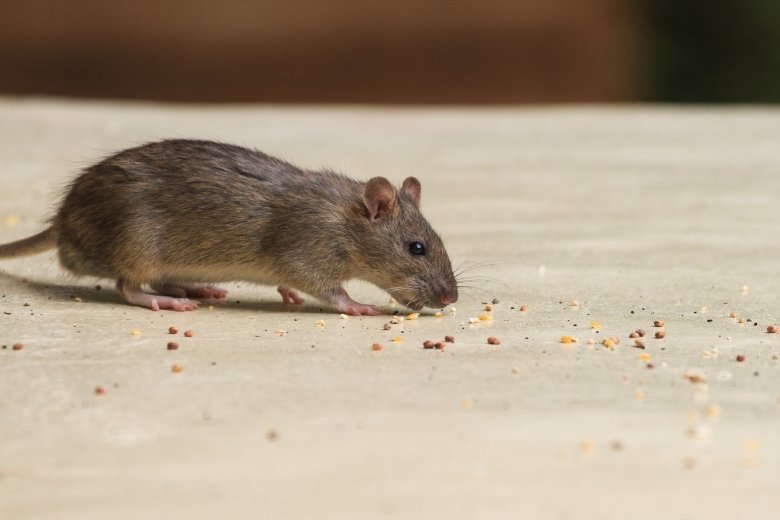
Much of D.C.’s residential architecture consists of older row houses, brownstones, and historic buildings. Older structures often have cracks, gaps, outdated plumbing, and deteriorated foundations that make them more vulnerable to pests seeking shelter, water, and food. Without regular pest control, these buildings can develop chronic infestations that are costly to remediate.
- Economic and Property Value Considerations: Infestations in D.C. homes can reduce property values and increase repair costs. Termites, carpenter ants, and rodents can damage structural elements, wiring, and insulation. Our professional pest control prevents long-term damage, protecting investments in a competitive real estate market.
- Legislative and Community Standards: Many D.C. neighborhoods have strict housing codes and community regulations regarding pest management. Failure to comply with these standards can result in fines, eviction notices, or forced remediation. Regular pest control ensures homeowners meet these requirements while maintaining safe, habitable conditions.
Once a pest infestation is established in an urban home, elimination becomes more difficult and expensive. Early intervention through preventive pest control minimizes infestations, reduces chemical usage, and ensures long-term peace of mind for residents.
Washington DC Commercial Pest Control
Washington D.C. has strict health and safety regulations, particularly for businesses in food service, hospitality, and healthcare. Restaurants, cafes, grocery stores, and even office buildings are subject to inspections by the D.C. Department of Health. Pest infestations—rodents, cockroaches, flies, or stored product pests—can result in violations, fines, temporary closures, or loss of licenses. Our professional pest control ensures businesses remain compliant with all local and federal health codes.
D.C. is densely populated with mixed-use buildings, row houses, and commercial clusters. Pests can move easily from one property to another, meaning a neighboring building’s infestation can quickly impact your business. Proactive pest control prevents cross-property infestations and mitigates risk associated with the urban environment.
Commercial properties, especially historic buildings common in D.C., are susceptible to pest-related damage. Termites, carpenter ants, and rodents can damage wood, insulation, wiring, and HVAC systems. Preventive treatments protect infrastructure and avoid costly repairs that could disrupt operations.
Pest infestations can force businesses to temporarily close for remediation, particularly in sensitive industries like food service, hospitality, or healthcare. Unplanned closures in a competitive urban market can cause significant revenue loss. Regular pest control ensures uninterrupted operations.
Washington DC Pest Control
Getting our professional pest control in Washington, DC is one of the smartest decisions a homeowner or business owner can make. Pest pressures in the District are unique due to its dense urban setting, older housing stock, humid summers, and proximity to parks and waterways. Here are some of the reasons why our professional pest control is highly beneficial in Washington DC:
- Effective and Lasting Results: DIY sprays and traps often provide only temporary relief. Our professionals use targeted treatments and integrated pest management (IPM) strategies that address the source of infestations and prevent them from coming back.
- Protection from Health Risks: Pests like cockroaches, rodents, mosquitoes, and ticks carry harmful bacteria and diseases such as salmonella, hantavirus, Lyme disease, and West Nile virus. Our professional treatments reduce these risks significantly.
- Safeguarding Property: Termites, carpenter ants, and rodents can cause extensive and costly structural damage. Our professional pest control protects your investment by identifying and eliminating threats before they escalate.
- Local Expertise: Washington, DC has unique pest challenges—including bed bugs in multifamily housing, rats in urban alleys, and mosquitoes thriving in humid summers. Our local professionals know how to address these issues effectively with proven strategies.
- Time and Convenience: Instead of repeatedly buying and applying store-bought products, our professionals handle the problem quickly and thoroughly, saving you time, effort, and frustration.
- Eco-Friendly & Safe Solutions: We use EPA-approved products and advanced techniques that are safe for children, pets, and the environment, unlike some risky over-the-counter chemicals.
- Peace of Mind: Knowing your home or business is protected year-round gives you confidence and comfort, especially in an area where pest problems can spread quickly due to close living spaces.
Our professional pest control in Washington, DC isn’t just about getting rid of pests—it’s about protecting health, property, and quality of life in a city where pest pressures are constant.
Washington DC Ant Control
Ant control is especially important in Washington, DC because the city’s dense urban environment, aging infrastructure, and humid Mid-Atlantic climate create ideal conditions for ant infestations to thrive year-round. Many DC neighborhoods feature closely spaced row homes, apartments, and mixed-use buildings, allowing ants to spread quickly from one structure to another through shared walls, utility lines, and foundations. Seasonal heat and humidity accelerate ant reproduction and foraging activity, while frequent rainfall drives colonies indoors in search of food and shelter. Additionally, common species in the region—such as odorous house ants, pavement ants, and carpenter ants—pose distinct risks, ranging from food contamination and persistent nuisance issues to structural damage caused by nesting in wood. Without effective ant control, infestations can escalate rapidly, compromise sanitation standards, damage property, and negatively affect public health and quality of life in both residential and commercial settings throughout the city.
Washington DC Bed Bug Control
Hiring our professional bed bug exterminators for your Washington, DC home or business is essential because bed bugs are notoriously difficult pests to eliminate without expert help. These insects are small, resilient, and excellent at hiding in cracks, crevices, mattresses, furniture, and even behind walls. A do-it-yourself approach often fails because store-bought sprays and home remedies cannot penetrate the hidden areas where bed bugs nest or destroy their eggs, leading to recurring infestations.
Our licensed exterminators bring specialized knowledge, professional-grade treatments, and proven strategies that eradicate bed bugs at every stage of their life cycle. In Washington, DC, where apartments, row houses, offices, and hospitality businesses are closely connected, infestations can spread rapidly between units, making professional containment and elimination crucial. Our exterminators also tailor our treatments to the unique needs of your property, ensuring both safety and effectiveness.
Beyond eliminating the infestation, our professional bed bug exterminators provide ongoing monitoring and prevention strategies, which are especially important for businesses in hospitality, healthcare, or multi-family housing. Quick, professional intervention protects your property value, prevents damage to your reputation, and restores peace of mind by ensuring that the infestation is handled thoroughly and discreetly.
Washington DC Bee Control
Bee control is important in Washington, DC because the city’s combination of urban green spaces, flowering plants, and residential gardens provides ideal foraging and nesting sites for bees, including honeybees and occasionally more harmful species like carpenter bees. While bees are ecologically beneficial as pollinators, uncontrolled colonies near homes, schools, or commercial properties pose significant safety risks due to their potential to sting, which can lead to severe allergic reactions or anaphylaxis in sensitive individuals. Bees nesting in structures, such as attics, walls, or eaves, can also cause property damage over time through honey accumulation, structural weakening, and infestation of adjacent areas by pests attracted to the hive. Effective bee control in Washington, DC is essential to protect public health, prevent property damage, minimize aggressive encounters, and safely manage colonies while balancing ecological considerations.
Washington DC Beetle Control
Beetle control is important in Washington, DC because the city’s diverse urban and suburban environments provide abundant habitats and food sources for various beetle species, including carpet beetles, powderpost beetles, and pantry beetles. These insects can cause significant damage to property: carpet and wood-boring beetles destroy fabrics, furniture, and structural wood, while pantry beetles contaminate stored food products, leading to economic losses and sanitation concerns. In older buildings, row houses, and commercial establishments, infestations can spread rapidly if left unchecked, making eradication more difficult and costly. Additionally, beetle activity often indicates broader pest or moisture issues, which can further compromise building integrity and indoor environments. Effective beetle control in Washington, DC is therefore essential to protect personal property, maintain food safety, prevent structural and material damage, and ensure clean, safe, and comfortable living and working spaces throughout the city.
Washington DC Boxelder Bug Control
Boxelder bug control is important in Washington, DC because the city’s mix of residential neighborhoods, ornamental trees, and landscaped areas provides ideal conditions for these insects to thrive. Boxelder bugs feed primarily on the seeds and leaves of boxelder, maple, and ash trees, causing cosmetic damage to foliage and fruit and, in large numbers, potentially weakening trees over time. During the fall, they seek warm shelter and often invade homes, attics, and sheds in large aggregations, creating a significant nuisance for residents. While they do not bite or transmit disease, their presence can stain walls, furniture, and fabrics, and the insects emit a foul odor when crushed. Effective boxelder bug control in Washington, DC is therefore essential to protect trees and landscaping, prevent indoor infestations, maintain clean and odor-free living spaces, and minimize nuisance problems in both residential and commercial environments.
Washington DC Centipede Control
Centipede control is important in Washington, DC because the city’s humid climate, frequent rainfall, and abundant landscaped areas provide ideal environments for these predatory arthropods. While most centipedes are not dangerous to humans, their presence indoors—particularly in basements, bathrooms, crawl spaces, and other damp areas—can create anxiety and discomfort for residents. Some species can deliver painful bites if handled, posing minor health risks, especially to children or sensitive individuals. Additionally, centipedes often indicate the presence of other pest populations, such as insects or spiders, which they feed on, meaning infestations can be part of broader indoor pest problems. Effective centipede control in Washington, DC is therefore essential to reduce indoor nuisance, prevent potential minor injuries, maintain sanitary and comfortable living spaces, and manage overall pest populations in residential and commercial properties.
Washington DC Cockroach Control
Cockroach control is critically important in Washington, DC because the city’s dense population, older buildings, and abundant food and moisture sources create ideal conditions for these resilient pests to thrive. Cockroaches are notorious carriers of bacteria, viruses, and allergens that can contaminate food, surfaces, and air, leading to serious health issues such as food poisoning, asthma, and allergic reactions. Their rapid reproduction and ability to hide in cracks, crevices, and sewer systems make infestations difficult to detect and control once established, particularly in apartments, restaurants, and commercial buildings. In addition, cockroach activity can cause unpleasant odors, damage property, and negatively impact hygiene standards and quality of life. Effective cockroach control in Washington, DC is therefore essential to protect public health, maintain sanitation, prevent property damage, and ensure safe, comfortable living and working environments throughout urban and suburban areas.
Washington DC Cricket Control
Cricket control is important in Washington, DC because the city’s warm, humid summers, dense urban landscaping, and plentiful grassy areas provide ideal habitats for these insects to thrive. While crickets are generally not harmful, their presence can become a significant nuisance due to their loud, persistent chirping, which can disrupt sleep, work, and daily activities in homes, offices, and public spaces. Crickets can also damage fabrics, paper products, and plants by feeding on natural fibers and tender vegetation, and large infestations may attract predators such as spiders or rodents into indoor spaces. In addition, crickets often seek shelter indoors during cooler months, increasing the likelihood of infestations spreading within residential and commercial properties. Effective cricket control in Washington, DC is therefore essential to reduce noise disturbances, prevent minor property damage, maintain sanitary and comfortable living environments, and minimize the potential for broader pest problems.
Washington DC Earwig Control
Earwig control is important in Washington, DC because the city’s humid climate, landscaped gardens, and abundant organic debris provide ideal conditions for these insects to thrive. While earwigs are generally not harmful to humans or pets, they can cause significant damage to plants, flowers, and crops by feeding on leaves, buds, and fruits, impacting residential gardens and urban green spaces. Earwigs often seek shelter in damp, dark areas of homes, such as basements, crawl spaces, and bathrooms, where their presence can become a nuisance and trigger hygiene concerns. In large numbers, infestations can disrupt landscaping, damage ornamental plants, and create unpleasant encounters for residents. Effective earwig control in Washington, DC is therefore essential to protect gardens, maintain healthy and attractive green spaces, prevent property damage, and reduce indoor nuisance problems in both residential and commercial environments.
Washington DC Flea Control
Washington D.C. has a significant number of pet owners living in apartments, townhomes, and densely populated neighborhoods. High concentrations of dogs and cats increase the likelihood of flea infestations spreading rapidly, as fleas easily move between hosts in close quarters.
- Humid Summer Climate: D.C.’s hot and humid summers create ideal conditions for flea development. Fleas thrive in warm, moist environments, and the combination of heat and humidity accelerates their life cycle, leading to faster population growth and higher infestation risks.
- Urban Wildlife Presence: Even in an urban environment like D.C., wildlife such as raccoons, squirrels, and feral cats are common in parks, green spaces, and residential areas. These animals can carry fleas, which may then transfer to domestic pets and homes.
- Human Health Concerns: Fleas in D.C. pose not only a risk to pets but also to humans. Fleas can transmit diseases such as murine typhus, cat scratch disease, and tapeworms, particularly in households with children or immunocompromised individuals. Controlling fleas reduces these potential health threats.
- Impact on Property: Fleas reproduce in carpets, upholstery, and bedding, which are abundant in urban homes and apartments. Infestations can be difficult to eliminate without our professional treatment, leading to repeated cleaning costs and potential property damage.
- Resistance and Infestation Persistence: Urban environments like D.C. often see repeated flea infestations due to resistance to over-the-counter treatments. Without comprehensive control—including pets, indoor environments, and outdoor spaces—fleas can persist and re-infest homes quickly.
- Regulatory and Community Implications: Certain multi-unit dwellings and rental properties in D.C. may have strict pest control policies. Failing to manage fleas can result in tenant complaints, health code violations, and reputational damage for property managers or landlords.
Flea populations in D.C. generally peak during late spring through early fall. Preventive control during early warm months is critical to avoid heavy infestations that are harder and more costly to eradicate.
Washington DC Fly Control
Fly control is important in Washington, DC because the city’s dense population, abundant restaurants, food establishments, and urban waste create ideal conditions for fly infestations. Flies are not just a nuisance; they are also vectors for numerous pathogens, capable of spreading bacteria, viruses, and parasites that cause illnesses such as food poisoning, diarrhea, and other gastrointestinal infections. In residential, commercial, and public settings, flies can contaminate food, surfaces, and air, compromising hygiene and public health standards. The city’s warm, humid summers further accelerate fly reproduction, allowing populations to grow rapidly if left unmanaged. Effective fly control in Washington, DC is therefore essential to protect public health, maintain sanitation, prevent disease outbreaks, and ensure safe, clean living and working environments throughout urban and suburban areas.
Washington DC Millipede Control
Millipede control is important in Washington, DC because the city’s humid climate, frequent rainfall, and abundant landscaped areas create ideal conditions for these moisture-loving arthropods to thrive. Millipedes typically feed on decaying organic matter, which makes them largely harmless indoors, but large populations can become a significant nuisance when they invade homes, basements, crawl spaces, and other structures. Their tendency to gather in large numbers can stain surfaces, emit unpleasant odors when crushed, and trigger concerns among residents, particularly in urban neighborhoods with older buildings and limited drainage. Additionally, their presence often indicates excess moisture or poor drainage around properties, which can contribute to mold growth and attract other pests. Effective millipede control in Washington, DC is therefore essential to reduce infestations, prevent nuisance problems, and maintain clean, dry, and comfortable living and working environments.
Washington DC Mite Control
Mite control is important in Washington, DC because the city’s humid climate, dense urban living, and widespread landscaping create environments where various mite species can thrive both indoors and outdoors. Certain mites, such as dust mites, thrive in homes with carpets, bedding, and upholstered furniture, triggering allergic reactions, asthma, and other respiratory problems in sensitive individuals. Other mites, including bird or rodent-associated species, can bite humans and pets, transmit pathogens, and exacerbate infestations when animals nest near buildings. In residential, commercial, and public spaces, unchecked mite populations can lead to persistent discomfort, health risks, and contamination of food or living areas. Effective mite control in Washington, DC is therefore essential to protect human and pet health, reduce allergy and disease risks, maintain sanitation, and ensure safe, comfortable indoor and outdoor environments.
Washington DC Mosquito Control
Hiring our mosquito exterminators in Washington, D.C. provides many advantages over trying to control mosquitoes yourself. The hot, humid summers and frequent afternoon thunderstorms in Washington DC create an ideal breeding habitat. Even after light rain, many common yard items (bird baths, planters, gutters, tarps) collect enough standing water for mosquitoes to lay eggs. Mosquitoes in D.C. use belowground spaces (basements, underground parking, service tunnels) and other hidden water-holding places as breeding sites. These are often undetected in routine inspections and unaddressed by general homeowner maintenance. Given that, using off-the-shelf sprays or simply eliminating visible standing water are often not sufficient. When you hire our pros, here are some of the benefits you get, which are difficult or expensive to replicate on your own:
- Thorough assessment / site inspection: Our professionals will identify hidden breeding sites (in underground structures, utility conduits, gutters, etc.). We understand local mosquito behavior and the species in the area, so our treatments are targeted.
- Access to more effective treatments: Our professional-grade larvicides and barrier sprays are more durable, longer lasting, and more effective than what most consumers can buy. We schedule treatments seasonally, timed to mosquito lifecycles, to interrupt reproduction cycles.
- Safety and environmental protection: Proper application reduces risk to people, pets, pollinators, and water systems. Our professionals use methods that are less toxic and more eco-friendly while still achieving good control.
- Efficiency & time savings: You don’t have to spend hours reading labels, applying treatments, monitoring the results, re-treating, etc. Our professionals come with guaranteed results and complimentary re-treatments as needed.
- Cost effectiveness over time: Our professionals reduce wasted expenses from DIY methods that don’t fully solve the problem. In addition to that, reducing disease risk, property damage, annoyance, and potentially higher costs later (if mosquito populations get out of control) can offset the investment.
For Washington, D.C., given its climate, risk of disease, hidden breeding grounds, and the challenge of controlling mosquitoes effectively, hiring our professional exterminators is worth it if you want real relief, safety, and long-term results—not just temporary fixes. It’s a protective investment in your health, property, and quality of life.
Washington DC Moth Control
Moth control is important in Washington, DC because the city’s humid climate, dense urban housing, and abundance of textiles and stored food create favorable conditions for both clothes and pantry moth infestations. Clothes moths feed on natural fibers such as wool, silk, and cotton, causing damage to clothing, upholstery, and other household fabrics, while pantry moths infest grains, cereals, spices, and other stored food products, leading to contamination and food waste. In older homes and apartments, unnoticed infestations can quickly spread through closets, kitchens, and storage areas, resulting in costly replacements and sanitation concerns. Effective moth control in Washington, DC is therefore essential to protect personal property, maintain food safety, prevent economic loss, and ensure hygienic and comfortable living environments in residential and commercial settings.
Washington DC Silverfish Control
Silverfish control is important in Washington, DC because the city’s humid climate, older buildings, and high-density housing create ideal conditions for these moisture-loving insects to thrive indoors. Silverfish feed on starchy materials such as paper, books, wallpaper, cardboard, and fabrics, which makes them a serious threat to personal property, historical documents, and household items. Infestations can lead to structural damage, ruined possessions, and contamination of stored food products. In addition, their presence often signals excess humidity or water intrusion, which can exacerbate mold growth and other pest problems. Effective silverfish control in Washington, DC is therefore essential to protect personal property, maintain sanitary and damage-free living environments, and prevent infestations from escalating in homes, offices, and public buildings.
Washington DC Spider Control
Spider control is important in Washington, DC because the city’s warm, humid summers, dense urban infrastructure, and abundant green spaces create ideal conditions for a variety of spider species to thrive both indoors and outdoors. While most spiders are harmless and even beneficial by preying on other insects, certain species, such as the brown recluse or black widow, pose significant health risks due to venomous bites. In homes, offices, and public buildings, spiders can contaminate surfaces with webs and shed skin, create anxiety or fear among residents, and interfere with daily activities. Additionally, their presence often indicates other insect infestations, as spiders are predators that follow food sources. Effective spider control in Washington, DC helps protect public health, reduce the risk of venomous bites, maintain sanitary and comfortable living spaces, and manage broader pest populations in both residential and commercial settings.
Washington DC Springtail Control
Springtail control is important in Washington, DC because the city’s humid climate, frequent rainfall, and dense landscaping create ideal conditions for these tiny, moisture-loving insects to thrive in and around homes. Springtails are often found in damp basements, crawl spaces, bathrooms, and around leaky plumbing, where they can proliferate rapidly. While they do not bite or transmit disease, high populations can become a nuisance, leaving visible swarms on walls, floors, or windows and potentially contaminating stored food. Their presence can also indicate underlying moisture or water intrusion problems, which, if left unaddressed, can lead to mold growth and structural damage. Effective springtail control in Washington, DC is therefore essential to reduce infestations, protect property from moisture-related issues, and maintain a clean, comfortable living environment in urban and suburban homes.
Washington DC Stink Bug Control
Stink bug control is important in Washington, DC because the city’s mix of older buildings, urban landscapes, and abundant gardens provides ideal conditions for these insects to invade homes and commercial properties, particularly during the fall when they seek sheltered overwintering sites. While stink bugs do not pose direct health risks, they are a significant nuisance due to the foul odor they emit when disturbed or crushed, as well as their tendency to aggregate in large numbers on walls, windows, and attics. In addition, stink bugs can damage fruit trees, ornamental plants, and garden crops by feeding on leaves, stems, and fruits, impacting local horticulture and residential landscaping. Effective stink bug control in Washington, DC is therefore essential to prevent property infestations, protect plants and gardens, minimize odor-related nuisances, and maintain comfortable and sanitary living environments in both residential and commercial settings.
Washington DC Termite Control
Hiring our professionals to get rid of termites in Washington DC is one of the most important steps you can take to protect your home or business. Termites are highly destructive insect pests that can cause extensive structural damage before you even realize there’s a problem. Here are some of the reasons our professional termite control is essential:
- Accurate Identification & Inspection: Termites are often mistaken for ants or other pests, and their damage is usually hidden behind walls, under floors, or in crawl spaces. Our professionals have the training, experience, and tools to correctly identify termite activity and assess the extent of the infestation.
- Proven & Targeted Treatments: Over-the-counter sprays and DIY methods are generally ineffective against termite colonies. Our professionals use advanced products like specialized liquid termiticides and termite baiting systems that are scientifically designed to eliminate the colony at its source, not just treat the visible signs.
- Preventing Costly Structural Damage: Termites in DC can be particularly damaging because of the city’s many older homes and historic structures. Our professional exterminators can stop termites before they compromise the structural integrity of your property, saving you tens of thousands of dollars in potential repair costs.
- Local Knowledge of Termite Behavior: DC’s humid summers, variable winters, and urban environment create ideal conditions for subterranean termites—by far the most prevalent and destructive species in the region. Our professionals understand local termite patterns and apply the right treatment strategies specific to Washington DC homes.
- Long-Term Protection & Monitoring: Professional termite control doesn’t stop after one treatment. Our licensed exterminators offer ongoing monitoring and preventative plans to ensure termites don’t return. This gives you peace of mind that your property remains protected year after year.
- Compliance & Safety: Our professionals apply termite treatments safely, using methods approved by the EPA. We know how to handle chemicals properly, protecting your family, pets, and the environment, while still ensuring effective results.
- Backed by Warranty: Our professional termite services come with a warranty or service agreement. This means that if termites return, we will re-treat at no additional cost, giving you added security and financial protection.
Termites are not a pest you can afford to gamble with. In Washington DC, hiring our professional exterminators ensures thorough elimination, prevents costly damage, and provides long-term protection for one of your most valuable assets—your property.
Washington DC Termite Inspections
Termite inspections are particularly important in Washington, D.C. for several reasons:
- High Termite Activity Zone: Washington, D.C. lies in a region where subterranean termites are especially active. The area’s climate—hot, humid summers and relatively mild winters—creates ideal conditions for termites to thrive year-round. Without regular inspections, infestations can go unnoticed until they’ve already caused serious structural damage.
- Prevalence of Older and Historic Buildings: D.C. is home to many historic row houses, townhomes, and landmark properties. Older construction often uses wood materials that termites target, and hidden damage can compromise the safety and value of these structures. Regular inspections are critical to protecting the integrity of historic properties.
- Hidden Nature of Termite Damage: Termites eat wood from the inside out, and infestations often remain invisible until the damage is severe. Our professional inspections use tools, training, and experience to identify subtle warning signs that homeowners may miss, such as mud tubes, hollow-sounding wood, or moisture issues.
- Cost-Effective Protection: The cost of a professional termite inspection is minimal compared to the potential expense of termite repairs. In D.C., where property values are high, unnoticed termite damage can quickly turn into tens of thousands of dollars in repairs, not to mention a reduced resale value.
- Peace of Mind for Buyers and Owners: In Washington DC’s competitive real estate market, termite inspections are often required during property transactions. They provide buyers with assurance that a home is structurally sound and free from active infestations, and they protect sellers from liability by uncovering problems before closing.
- Prevention of Future Infestations: Inspections don’t just identify current termite activity—they also reveal conditions that make a property vulnerable, such as wood-to-soil contact, moisture issues, or cracks in the foundation. Correcting these conditions early can prevent costly infestations.
In Washington, D.C., where termite pressure is high and properties are valuable—many of them historic—our regular termite inspections are a vital safeguard to protect structural integrity, maintain property value, and avoid expensive surprises.
Washington DC Tick Control
Tick control is crucial in Washington, DC because the city’s humid climate, abundant green spaces, wooded areas, and residential yards create ideal habitats for ticks to thrive year-round. Ticks are vectors for serious diseases, including Lyme disease, ehrlichiosis, and Rocky Mountain spotted fever, which can pose significant health risks to humans and pets. In urban and suburban areas of DC, frequent outdoor activities such as hiking, gardening, and dog walking increase the likelihood of tick exposure. Additionally, the city’s dense population and close proximity of homes to parks and wooded corridors make rapid spread more likely if ticks are left unmanaged. Effective tick control in Washington, DC helps protect public health, reduce the incidence of tick-borne illnesses, safeguard pets, and allow residents to enjoy outdoor spaces safely.
Washington DC Wasp Control
Wasp control is particularly important in Washington, DC because the city’s warm, humid summers and abundance of flowering plants, outdoor dining areas, and trash sources create ideal conditions for wasp colonies to establish near human activity. Wasps are aggressive defenders of their nests and can deliver painful stings, which pose serious health risks to residents, visitors, and pets, especially to individuals with allergies who may experience severe or life-threatening reactions. In densely populated urban areas, nests are often built in attics, eaves, sheds, or under decks, putting people in close proximity to these stinging insects. Wasps can also interfere with outdoor events, playgrounds, and public spaces, making recreational areas unsafe. Effective wasp control in Washington, DC is therefore essential to prevent stings, protect public health, reduce aggressive encounters, and ensure safe, usable outdoor environments in both residential and commercial settings.
Washington DC Rodent Control
Hiring our professionals for rodent control in Washington, DC is the most effective way to protect your home or business from the serious risks rodents bring. Here are some of the reasons why:
- Rodents pose major health risks. Rats and mice carry diseases like salmonella, hantavirus, and leptospirosis. Their droppings, urine, and dander can contaminate food, surfaces, and even the air you breathe. In a city as dense as DC, infestations can spread quickly from one property to another.
- Our professionals provide targeted, long-term solutions. DIY traps and store-bought baits often only treat part of the problem, while rodents continue nesting out of sight. Our professional exterminators know how to identify entry points, locate nesting areas, and design a comprehensive strategy to eliminate the entire population.
- Rodents cause costly property damage. Mice and rats gnaw constantly, damaging electrical wiring, insulation, and structural materials. In Washington’s older homes and historic buildings, even small damage can lead to expensive repairs—or even fire hazards from chewed wiring.
- Local expertise matters. Rodent behavior varies by environment. In DC, row houses, commercial kitchens, and urban alleys create unique harborage areas. Our local rodent control professionals understand these patterns and applies proven, location-specific strategies.
- Prevention is part of the service. Beyond elimination, our professionals provide exclusion—sealing cracks, gaps, and entry points to keep rodents from coming back. We also give expert recommendations tailored to your property’s vulnerabilities.
- Saves time and stress. Chasing rodents with traps and poisons is frustrating, often ineffective, and can even be dangerous if misused. Hiring our professionals gives you peace of mind knowing the problem is handled safely, efficiently, and thoroughly.
Hiring our professionals for rodent control in Washington, DC not only removes existing infestations but also protects your health, property, and peace of mind long term.
Washington DC Chipmunk Control
Chipmunk control is important in Washington, DC because the city’s combination of green spaces, gardens, and landscaped residential areas provides ample food and shelter for these small rodents. While chipmunks may appear harmless, they can cause significant damage by burrowing into lawns, gardens, and flower beds, uprooting plants, and creating extensive tunnel systems that destabilize soil and create tripping hazards. Chipmunks also chew on seeds, bulbs, and ornamental plants, which can harm landscaping and reduce property aesthetics. Additionally, their nests and burrows near homes or structures can attract predators and carry parasites or diseases that may affect pets and humans. Effective chipmunk control in Washington, DC helps protect gardens, maintain the integrity of landscaped areas, prevent structural and soil damage, and reduce potential health risks associated with unwanted wildlife in urban and suburban neighborhoods.
Washington DC Mouse Control
Mouse control is important in Washington, DC because the city’s dense urban neighborhoods, older buildings, and plentiful food sources create an environment in which mice can thrive year-round. Mice reproduce rapidly, allowing populations to grow quickly and infiltrate homes, offices, restaurants, and public buildings, where they contaminate food, surfaces, and water with urine, droppings, and hair. This contamination can spread diseases such as hantavirus, salmonella, and leptospirosis, posing serious public health risks. In addition, mice gnaw on electrical wiring, insulation, and wood, which can lead to structural damage and even fire hazards in older properties. The proximity of DC’s buildings and the complexity of its infrastructure make infestations of these rodents difficult to contain once established. Effective mouse control is therefore essential to safeguard human health, protect property, maintain sanitation, and prevent rapidly escalating infestations in both residential and commercial settings throughout the city.
Washington DC Rat Control
Rat control is critically important in Washington, DC due to the city’s dense urban environment, aging infrastructure, and abundant food and shelter sources, which create ideal conditions for rat populations to thrive. Rats are highly adaptable rodents and can infiltrate homes, restaurants, commercial buildings, and public spaces, contaminating food, water, and surfaces with pathogens that cause serious diseases such as leptospirosis, salmonella, and hantavirus. They also cause structural damage by gnawing on wiring, insulation, pipes, and wood, increasing the risk of fires and costly repairs. The city’s extensive sewer systems, alleys, and improperly secured waste provide easy access and nesting areas, allowing infestations to grow rapidly if left unchecked. Effective rat control in Washington, DC is therefore essential to protect public health, prevent property damage, maintain sanitation, and reduce the spread of disease in both residential and commercial settings throughout the city.
Washington DC Squirrel Control
Squirrel control is important in Washington, DC because the city’s combination of mature trees, parks, and urban green spaces provides abundant food sources and nesting sites, allowing squirrel populations to thrive near homes and businesses. While squirrels may seem harmless, these rodents can cause significant property damage by gnawing on electrical wiring, insulation, roof shingles, and wooden structures, which can create fire hazards and costly repairs. In addition, squirrels often invade attics, chimneys, and vents, leaving behind droppings and nesting materials that can carry parasites and diseases such as leptospirosis or salmonella. High squirrel activity in densely populated neighborhoods can also lead to aggressive encounters with pets or humans over food sources. Effective squirrel control in Washington, DC is therefore essential to protect property, reduce health risks, prevent structural damage, and maintain safe and hygienic urban environments.
Washington DC Vole Control
Vole control is important in Washington, DC because the city’s lawns, gardens, and landscaped areas provide ideal conditions for these small rodents to thrive, particularly in areas with dense ground cover or abundant vegetation. Voles reproduce rapidly and create extensive surface runways and shallow burrows, which can damage turf, ornamental plants, shrubs, and young trees by feeding on roots, bulbs, and bark. In residential and commercial areas, this activity can compromise landscaping aesthetics, reduce property value, and lead to costly repairs. Additionally, vole tunnels can destabilize soil and create tripping hazards, while their presence may attract secondary pests or predators. Effective vole control in Washington, DC is therefore essential to protect gardens, maintain healthy green spaces, prevent property damage, and ensure safe, visually appealing outdoor environments throughout urban and suburban neighborhoods.
Washington DC Wildlife Control
Hiring our professional wildlife control in Washington, D.C. is crucial because the region’s dense urban layout, historic architecture, and proximity to natural areas like Rock Creek Park and the Potomac River make it a hotspot for nuisance wildlife activity. From raccoons and squirrels to bats, groundhogs, and birds, local wildlife frequently infiltrate homes and businesses through chimneys, attics, and crawl spaces in search of food and shelter.
Our professional wildlife control technicians understand the unique environmental and regulatory factors that apply to the D.C. area. We're trained to handle native species humanely and in compliance with federal and District wildlife laws, ensuring that removal and exclusion are both effective and legally sound. Our licensed professionals also recognize that many D.C. properties—especially older rowhouses and government buildings—require specialized exclusion methods that prevent re-entry without damaging historic structures.
Moreover, our professionals have access to advanced equipment and exclusion materials that most property owners don’t. We can identify entry points that are easy to miss, sanitize contaminated areas safely, and implement long-term prevention strategies to stop future infestations. This not only protects the structure from damage but also safeguards occupants from health hazards like histoplasmosis, rabies, or parasite transmission associated with wildlife droppings and nesting.
Ultimately, our professional wildlife control in Washington, D.C. offers peace of mind—ensuring the problem is handled efficiently, humanely, and permanently, while preserving the safety, integrity, and value of your property.
Washington DC Bat Control
Bat control is important in Washington, DC because the city’s mix of older buildings, bridges, and abundant green spaces provides ideal roosting sites for bats in close proximity to human activity. While bats play a beneficial ecological role by consuming insects, uncontrolled bat populations can pose significant health risks, particularly through the transmission of rabies and exposure to histoplasmosis, a respiratory disease linked to bat droppings. Bat colonies in attics, chimneys, or abandoned structures can cause extensive property damage through guano accumulation, staining, odors, and structural weakening over time. In densely populated neighborhoods, even small infestations can escalate quickly, creating sanitation issues and raising public safety concerns. Effective bat control in Washington, DC is therefore crucial to protect human health, prevent property damage, and safely manage bat populations while minimizing unwanted interactions between wildlife and residents.
Washington DC Bird Control
Washington DC hosts a high density of historic buildings, monuments, and government facilities, making bird infestations particularly damaging; birds like pigeons and starlings can cause structural damage, corrosion, and soiling with their droppings.
Bird droppings also carry pathogens such as histoplasmosis and cryptococcosis, posing significant public health risks in crowded urban and tourist areas.
Effective bird control preserves the aesthetic and functional integrity of public spaces, protecting landmarks and infrastructure from long-term deterioration. Washington DC’s regulatory environment also requires humane and legal bird management practices, making our professional control essential to balance safety, health, and conservation concerns.
Washington DC Groundhog Control
Groundhog control is important in Washington, DC because the city’s combination of open green spaces, gardens, and older urban infrastructure provides abundant food and shelter for these burrowing animals. Groundhogs dig extensive burrow systems that can undermine lawns, parks, playgrounds, and even building foundations, creating safety hazards for pedestrians and compromising structural integrity. Their foraging habits also damage gardens, ornamental plants, and landscaping, which can be costly to repair in both residential and commercial areas. In addition, groundhog burrows can attract secondary pests, such as ticks and fleas, increasing potential health risks for humans and pets. Effective groundhog control in DC is therefore essential to protect property, prevent landscaping and structural damage, and reduce wildlife-related hazards in urban and suburban neighborhoods.
Washington DC Mole Control
Mole control is critical in Washington, DC because the city’s lawns, parks, and landscaped areas provide ideal soil conditions for moles to thrive, including moist, loose, and nutrient-rich soil that supports their insect and grubs-based diet. While moles do not pose direct health risks to humans or pets, their tunneling activity can cause extensive damage to residential yards, golf courses, and public green spaces by uprooting grass, creating unsightly mounds, and disrupting irrigation systems. In densely populated urban neighborhoods and commercial areas, this damage can decrease property value, increase maintenance costs, and create hazards for pedestrians. Additionally, mole activity often attracts secondary pests such as insects or rodents, compounding landscaping problems. Effective mole control in Washington, DC is therefore essential to protect turf, maintain aesthetically pleasing and functional outdoor spaces, and prevent the escalation of broader pest-related issues in both private and public properties.
Washington DC Opossum Control
Opossum control is important in Washington, DC because the city’s dense residential areas, abundant food sources, and extensive green spaces create ideal conditions for opossums to live close to homes and businesses. Easily accessible trash, pet food, and shelter under decks, sheds, and porches attract opossums into urban neighborhoods, where they can cause property damage by nesting in crawl spaces and tearing insulation or ductwork. Although generally non-aggressive, opossums can carry parasites and diseases such as leptospirosis, tuberculosis, and fleas that may affect people and pets. In older DC buildings with aging foundations and entry gaps, opossum activity can escalate quickly if left unaddressed. Effective opossum control helps reduce health risks, prevent structural damage, and maintain clean, safe living environments while minimizing unwanted wildlife encounters throughout the city.
Washington DC Raccoon Control
Raccoon control is especially important in Washington, DC because the city’s dense urban neighborhoods, abundant food sources, and extensive green spaces make it an ideal environment for raccoons to thrive in close proximity to people. Easily accessible trash, outdoor pet food, and unsecured structures attract raccoons into residential and commercial areas, where they can cause significant property damage by tearing into roofs, attics, chimneys, and crawl spaces to nest. Raccoons also pose serious public health risks, as they can carry rabies, roundworm, and other diseases that threaten humans and pets. In a city with many older buildings and row homes, infestations can spread quickly and become costly to address if left unmanaged. Effective raccoon control helps protect public health, prevent structural damage, reduce aggressive wildlife encounters, and maintain safe, sanitary living and working environments throughout Washington, DC.
Washington DC Snake Control
Snake control is important in Washington, DC because the region’s mix of urban development, parkland, waterways, and wooded areas creates frequent overlap between human activity and native snake habitats. The city’s extensive green spaces, such as Rock Creek Park, the Anacostia River corridor, and residential areas with mature landscaping, provide ideal shelter and prey sources that can draw snakes close to homes, schools, and businesses. While most snakes in the DC area are nonvenomous, the presence of venomous species like the copperhead raises legitimate safety concerns, particularly for children and pets. Urban expansion, construction activity, and aging drainage systems can also displace snakes, increasing the likelihood of encounters in basements, yards, and outbuildings. Effective snake control helps reduce the risk of bites, prevents unwanted wildlife intrusion, and supports safe coexistence by ensuring that snake populations are managed responsibly while protecting public safety and maintaining peace of mind for residents and property owners.
Washington DC
Washington, D.C., formally known as the District of Columbia, is the capital of the United States and a unique federal district that is not part of any state. Established by the Residence Act of 1790 and designed by French engineer Pierre Charles L’Enfant, the city was intended to serve as the political and administrative center of the new nation. Geographically located along the Potomac River, it borders the states of Maryland and Virginia, and its layout is distinguished by broad avenues, public squares, and iconic monuments, reflecting the vision of a grand, symbolic capital. Washington, D.C., is home to the three branches of the U.S. federal government—the White House, the Capitol Building, and the Supreme Court—as well as numerous federal agencies, international organizations, and embassies, making it a hub of domestic and international political activity. Beyond its political significance, the city is rich in cultural, historical, and intellectual resources, including the Smithsonian Institution, the National Gallery of Art, the Library of Congress, and a multitude of museums and monuments commemorating American history and achievements. The population of Washington, D.C., is diverse, with a mix of long-term residents, federal employees, diplomats, students, and international professionals, creating a cosmopolitan urban environment. The city faces challenges typical of major urban centers, including economic disparities, housing affordability, and traffic congestion, yet it also boasts vibrant neighborhoods, a thriving arts and music scene, and extensive green spaces such as the National Mall, Rock Creek Park, and numerous waterfront areas. Economically, Washington, D.C., relies heavily on government and related sectors, but also supports industries like education, healthcare, technology, and tourism. The city’s identity is further shaped by its role in national events, political movements, and public demonstrations, making it both a symbolic and practical center of American democracy. In essence, Washington, D.C., combines historical significance, political centrality, cultural richness, and urban vitality, serving as both the operational heart of the U.S. government and a dynamic, living city with its own distinct character and influence.
Hear From Our Happy Customers
-
"Very Knowledgeable"
The tech that arrived was courteous, professional, and very knowledgeable. He was Great.
- Uerial I. -
"Fantastic & Patient"
Jarvis was fantastic and patient. He answered my questions with an in-depth explanation and addressed all of my areas of concern. Would love for him to be my assigned tech going forward. Well done!
- Yonnette M. -
"Great Communication"
Tech was on time, communication was great, and he accommodated my needs.
- Alonzo W. -
"Exceeds Expectations"
I can’t say enough positive things about this company... The tech that came out, Jarvis went above and beyond my expectations. Thank you guys, I will continue using your services.
- Jake M. -
"Wonderful Service"
Wonderful service. Jarvis is great. Took care of everything I needed. Thank you!
- Henry P. -
"Professional & Considerate"
I’m pleased with Miche services. Jarvis came today. Professional and considerate. Thank you!
- Judy B.