
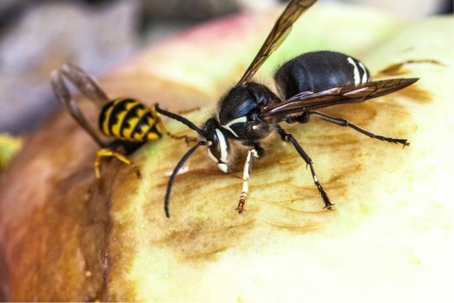
What Do Hornets Eat?
Knowing what hornets are attracted to helps in selecting appropriate baits, traps, or deterrents, which increases the likelihood of reducing populations of these wasps efficiently.
Prevention of Nesting and Infestation: Hornets often establish nests near reliable food sources. By identifying their preferred diet, you can minimize or remove these attractants from residential, commercial, or agricultural areas, reducing the risk of infestations before they start.
Risk Assessment and Safety: Hornets can become aggressive when food sources are threatened, posing stinging hazards. Knowing what they eat helps predict where they may gather, allowing people to avoid high-risk areas and reduce human-wasp interactions.
Environmental and Ecological Considerations: Hornets are predators of other insects, including pests, but they also prey on beneficial insects. Understanding their diet informs strategies that balance hornet management with the protection of pollinators and local ecosystems.
Effective Use of Baits and Lures: Different hornet species have different feeding preferences (e.g., sugary substances, proteins from insects or meat). Accurate knowledge of their diet ensures that baits and traps are optimized for the target species, improving efficiency and reducing waste of materials and time.
Seasonal Control Planning: Hornet diets shift with the seasons (e.g., more protein in spring for larvae development, more sugars in late summer). Recognizing these patterns allows people to time interventions for maximum impact and prevent colony growth during critical periods.
Informing homeowners or businesses about hornet feeding habits enables them to implement preventive measures, such as securing garbage, covering food, or removing fallen fruit, which supports long-term pest management without heavy reliance on chemical controls.
What Hornets Eat
Hornets, like other members of the wasp family, are primarily carnivorous insect pests. Their diet largely consists of other insects and arthropods, which they capture to feed to their developing larvae. In addition to their carnivorous diet, hornets also require sugary substances for energy. Adult hornets often forage for nectar and sweet liquids, such as fruit juices or tree sap, which provide them with the necessary carbohydrates:
Insects and Protein Sources: Hornets are primarily carnivorous. They hunt other insects and other arthropods. Protein is especially important for feeding their larvae, which require a steady supply of protein-rich food to grow.
Sugary Substances: Adult hornets need carbohydrates for energy. They consume nectar, fruit juices, honeydew, and overripe or rotting fruits. These sugary foods provide the fuel necessary for flying, nest building, and general activity.
Plant Secretions: Some hornets feed on sap flows from trees or other plant secretions. These are additional carbohydrate sources and may attract hornets to specific locations.
Human Foods: Hornets are opportunistic and may scavenge foods from human sources. They are attracted to sweet drinks, soda, fruit, and meats during outdoor activities or near garbage bins, which can increase human-wasp encounters.
Larval Feeding Behavior: Worker hornets often capture live insects, chew them into a paste, and feed them to the larvae. Interestingly, the larvae produce a sugary secretion that adult hornets consume, creating a reciprocal feeding system within the colony.
Understanding these dietary habits helps explain why hornets gather where they do, when they are most active, and what types of baits or deterrents will be most effective in pest control.
What Insects Do Hornets Eat?
Hornets tend to prefer soft-bodied, easily subdued prey that provides high protein, particularly for feeding their growing larvae. Adults consume the sugary secretions from larvae, so capturing live insects is critical for colony survival. Hornets are efficient and skilled predators, using their strong mandibles to capture and immobilize their prey. Some of the insects that hornets may prey on include:
Do Hornets Eat Ants?
Hornets generally do not target ants as a primary food source because ants are small, agile, and can defend themselves with bites or formic acid. However, some larger hornet species may occasionally attack isolated or slow-moving ants, especially if other protein sources are scarce. Overall, ants are a minor part of a hornet’s diet compared to softer, more easily captured insects like flies, caterpillars, or bees.
Do Hornets Eat Aphids?
Hornets do not typically eat aphids directly as a primary food source. Instead, they are attracted to the sugary honeydew that aphids produce, which provides a valuable carbohydrate source for adult hornets. While hornets mainly hunt other insects for protein, the presence of aphids can indirectly support hornet activity by supplying energy-rich food.
Do Hornets Eat Bees?
Yes, some hornet species actively prey on bees, particularly honeybees. Hornets attack bee hives to capture adult bees and larvae, which serve as a protein-rich food source for their own larvae. This predatory behavior can significantly impact local bee populations, especially when hornet colonies are large or near apiaries.
Do Hornets Eat Beetles?
Yes, hornets do eat beetles, particularly soft-bodied or slow-moving species. They often target beetle larvae hidden under bark or in decaying wood, which provide a rich protein source for feeding their own larvae. Adult hornets may also attack smaller beetles if they are easily captured.
Do Hornets Eat Butterflies?
Yes, hornets can and do eat butterflies. They typically target caterpillars and sometimes adult butterflies as a protein source to feed their larvae. Adult hornets hunt butterflies by catching them in flight or taking them from resting spots, although butterflies are not their most common prey compared to flies, caterpillars, or bees.
Do Hornets Eat Centipedes?
Yes, some hornet species may eat centipedes, particularly smaller or slower-moving ones. Centipedes are protein-rich and can serve as food for hornet larvae, though they are not a primary prey item. Larger or more aggressive hornets are more capable of subduing centipedes, while smaller species typically avoid them due to the centipedes’ defensive bites as well as the centipedes' venom.
Do Hornets Eat Cicadas?
Yes, hornets do eat cicadas, especially larger hornet species. Cicadas provide a substantial protein source for feeding hornet larvae. Hornets typically catch them during flight or while the cicadas are molting and vulnerable, making them easier to subdue. This predation can be particularly noticeable during cicada emergence periods.
Do Hornets Eat Cockroaches?
Yes, hornets can eat cockroaches, particularly smaller or juvenile cockroaches. Hornets hunt cockroaches as a protein source for their larvae, often targeting those that are slow-moving or isolated. Larger hornet species are more capable of subduing adult cockroaches, while smaller hornets usually focus on easier prey like flies or caterpillars.
Do Hornets Eat Crickets?
Yes, hornets do eat crickets. Crickets provide a high-protein food source that is especially valuable for feeding hornet larvae. Hornets typically target slow-moving or exposed crickets, capturing and chewing them into a paste to feed their young, while adults may consume the sugary secretions produced by the larvae.
Do Hornets Eat Earwigs?
Yes, hornets can eat earwigs. Earwigs are protein-rich and, if captured, can serve as food for hornet larvae. Hornets typically target slow-moving or exposed earwigs, as the insects’ hard exoskeleton and pincers make them more challenging to subdue than softer prey like caterpillars or flies.
Do Hornets Eat Fleas?
Hornets generally do not eat fleas. Fleas are very small, fast, and agile, making them difficult for hornets to catch and subdue. Hornets focus on larger, slower, or more easily captured insects, such as flies, caterpillars, bees, and other soft-bodied prey, which provide sufficient protein for their larvae.
Do Hornets Eat Flies?
Yes, hornets frequently eat flies. Flies are abundant, relatively slow-moving, and easy to capture, making them an ideal protein source for feeding hornet larvae. Adult hornets often chew flies into a paste before feeding them to their young, while consuming the larvae’s sugary secretions for energy. Flies are among the most common prey items for many hornet species.
Do Hornets Eat Grasshoppers?
Yes, hornets can eat grasshoppers, particularly larger hornet species. Grasshoppers are protein-rich and provide substantial nutrition for hornet larvae. Hornets typically target slow-moving, injured, or isolated grasshoppers, capturing and chewing them into a paste to feed their young, while adults consume the sugary secretions produced by the larvae.
Do Hornets Eat Millipedes?
Hornets rarely eat millipedes. Millipedes have hard, segmented bodies and can secrete defensive chemicals that deter predators, making them difficult and unappealing prey for hornets. Hornets generally prefer softer, more easily captured insects like flies, caterpillars, bees, and other protein-rich prey for feeding their larvae.
Do Hornets Eat Mites?
No, hornets do not eat mites. Mites are extremely small and often hidden on plants, soil, or other insects, making them unsuitable as prey. Hornets focus on larger, easily captured insects like flies, caterpillars, bees, and other soft-bodied prey to provide sufficient protein for their larvae.
Do Hornets Eat Mosquitoes?
Yes, hornets do eat mosquitoes. Mosquitoes are small, flying insects that provide a protein source for hornet larvae. While adult hornets may not rely heavily on mosquitoes, they will capture them along with other small insects, chew them into a paste, and feed them to their young. Mosquitoes are most often taken opportunistically rather than being a primary food source.
Do Hornets Eat Moths?
Yes, hornets eat moths, particularly the caterpillar stage. Caterpillars are soft-bodied and protein-rich, making them an ideal food source for hornet larvae. Adult moths can also be captured occasionally, especially if they are slow-moving or weakened, but caterpillars are far more commonly targeted.
Do Hornets Eat Silverfish?
Yes, hornets can eat silverfish, though it is not a primary food source. Silverfish are small, fast, and nocturnal, which makes them less commonly preyed upon. However, if a hornet encounters a silverfish, especially a slower or exposed one, it may capture it to feed its larvae as part of its protein-rich diet.
Do Hornets Eat Slugs?
Hornets generally do not eat slugs. Slugs are soft-bodied but produce mucus that makes them difficult to handle and unappealing to hornets. Hornets primarily target insects and other arthropods that are easier to capture and chew into protein-rich food for their larvae.
Do Hornets Eat Snails?
Hornets generally do not eat snails. Snails have hard shells and secrete mucus that makes them difficult and unappealing prey. Hornets focus on softer, more easily captured insects and arthropods—like flies, caterpillars, bees, and other protein-rich prey—to feed their larvae.
Do Hornets Eat Springtails?
No, hornets do not eat springtails. Springtails are extremely small, quick, and often found in soil or leaf litter, making them difficult to catch and unsuitable as a protein source. Hornets focus on larger, easily captured insects such as flies, caterpillars, bees, and other soft-bodied prey for feeding their larvae.
Do Hornets Eat Spiders?
Yes, hornets do eat spiders. Spiders are protein-rich and can serve as food for hornet larvae. Hornets typically target smaller or exposed spiders that are easier to subdue, while larger or more aggressive spiders may be avoided due to the risk of injury. Some hornet species even specialize in hunting spiders to feed their young.
Do Hornets Eat Termites?
Yes, hornets can eat termites. Termites are soft-bodied and high in protein, making them suitable prey for feeding hornet larvae. Hornets typically target termites that are exposed or vulnerable, such as those foraging above ground or during colony raids, while avoiding heavily defended termite nests.
Do Hornets Eat Ticks?
No, hornets do not eat ticks. Ticks are small, often embedded in hosts, and covered with a hard exoskeleton that makes them difficult to capture and chew. Hornets primarily hunt softer, more easily subdued insects and arthropods—like flies, caterpillars, bees, and other protein-rich prey—to feed their larvae.
Do Hornets Eat Other Wasps?
Yes, hornets do eat other wasps. Many hornet species are aggressive predators that will attack smaller wasps to feed their larvae or reduce competition near their nest. They typically subdue the other wasps, chew them into a protein-rich paste, and provide it to their young, while adults may feed on the sugary secretions produced by the larvae.
Hornets Eat Sugary Substances
Nectar – Hornets frequently feed on nectar from flowers, which provides a quick and easily digestible source of carbohydrates for energy.
Honeydew – Secreted by aphids and other sap-sucking insects, honeydew is a highly attractive sugary substance for adult hornets.
Overripe or Fermenting Fruits – Fruits like are particularly appealing when they are soft, damaged, or fermenting, releasing concentrated sugars.
Tree Sap – Exudates from wounded or naturally oozing trees serve as a natural source of sugar, especially in wooded areas.
Human Foods – Sweet beverages, sodas, fruit juices, and desserts are readily consumed by hornets when available outdoors.
Larval Secretions – Worker hornets feed larvae protein-rich food, and in return, larvae produce a sugary secretion that adult hornets consume, forming an internal colony carbohydrate source.
These sugary foods are primarily consumed by adult hornets for energy, while protein-rich prey is reserved for feeding larvae.
Do Hornets Eat Human Food?
Sweet Beverages – Hornets are strongly attracted to sodas, fruit juices, and sugary drinks left uncovered outdoors, as these provide easy-access carbohydrates.
Fruits and Fruit Products – Sliced fruit, fruit salads, jams, and overripe or fermenting fruits such as grapes, berries, peaches, and bananas are highly appealing.
Desserts and Baked Goods – Cakes, pastries, cookies, and other sweet treats can attract hornets, particularly when left outside at picnics or gatherings.
Meats and Protein-Rich Foods – Cooked meats, burgers, hot dogs, and other high-protein human foods may be consumed, especially by hornets feeding larvae.
Sugary Snacks and Candies – Hard candies, lollipops, and candy bars can draw hornets due to their concentrated sugar content.
Fermented Foods and Drinks – Beer, wine, and other fermenting food products can attract hornets, as the fermentation produces strong-scented sugars they can detect from a distance.
Hornets are opportunistic feeders and will target foods that provide quick energy for adults or protein for their larvae, making outdoor eating areas particularly susceptible to their presence.
Do Hornets Eat Fruit?
Hornets are strongly attracted to fruits that are soft and easy to pierce, especially if they are overripe or fermenting:
Berries: Strawberries, raspberries, blackberries, and blueberries are frequent targets. Their high sugar content makes them an attractive energy source for adult hornets.
Grapes: Both wild and cultivated grapes are highly appealing due to their juice and sugars, particularly if they are split, damaged, or fermenting.
Citrus Fruits: Oranges, lemons, and other citrus fruits can attract hornets, especially if the fruit is bruised, overripe, or damaged.
Apples: Hornets may feed on apples, particularly fallen or overripe ones that are easy to access.
Melons: Watermelons, cantaloupes, and honeydews are sometimes targeted, particularly when they are exposed, ripe, or broken open.
Figs: Ripe figs are very sweet and can draw hornets in areas where fig trees are present.
Hornets are drawn more to fermenting or damaged fruit than perfectly fresh fruit because the sugars are more concentrated and easier to access. This is why hornets are often seen around fruit orchards, compost piles, and outdoor eating areas.
Do Hornets Eat Wood?
Hornets do not eat wood in the sense of consuming it for nutrition, but they do interact with wood for nest construction. Many hornet species, such as the common European hornet, chew on weathered wood, fence posts, or tree bark to create a pulp. This pulp is mixed with saliva to form a paper-like material that they use to build and expand their nests. The hornets are not digesting the wood for food; rather, the chewing process transforms the fibers into a malleable substance suitable for nest walls and protective layers. While hornets may damage wood superficially during this process, their activity is primarily structural rather than nutritional. Therefore, wood serves as a building resource rather than a food source for hornets.