
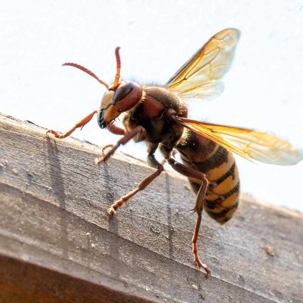
Hornets Sting
Hornets are most likely to sting in situations where they feel threatened, provoked, or perceive a danger to their colony. Here are the most common scenarios:
Protecting the Nest: Hornets are highly defensive of their nests. If someone or a pet comes too close—usually within 3–6 feet—they may sting to defend their colony. Hornets will vigorously attack if the nest is disturbed, even slightly.
Accidental Contact: Hornets may sting if you accidentally brush against them, step on them, or swat at them. Sudden movements near a hornet can trigger an aggressive response.
Food Sources: Hornets are attracted to sweet foods, meats, and garbage. If you are eating outdoors, especially in late summer or early fall, they may sting if they feel threatened while feeding or if you try to shoo them away.
Disturbing Foraging Hornets: Even away from the nest, hornets may sting if you trap or corner them while they are flying or gathering food.
Provocation: Deliberate attempts to hit, poke, or capture a hornet almost always lead to stings. Hornets have a more aggressive temperament than most other wasps and bees.
High Activity Periods: Late summer and early fall are when hornet colonies are largest and food needs are highest. During this time, hornets tend to be more aggressive and defensive.
Hornets do not sting indiscriminately; they usually give warning signs, such as buzzing loudly, flying around intruders, or chasing briefly. However, once they perceive a threat to the nest, multiple stings can occur, as hornets release pheromones that alert others to attack.
Hornet Stings
Hornet stings can be quite painful and, in some cases, medically serious. Here’s what you need to know about hornet stings:
Pain and Immediate Reaction
Hornet stings are known for intense pain—often described as sharp, burning, or throbbing.
Pain typically peaks within the first few minutes and can last several hours.
Localized reactions include redness, swelling, warmth, and itching at the sting site.
Moderate Reactions
Some people may experience larger swelling (up to several inches) around the sting site.
Itching or hives may extend beyond the immediate sting area.
Mild systemic symptoms such as headache, fatigue, or slight nausea can occur in sensitive individuals.
Severe Allergic Reactions (Anaphylaxis)
Hornet stings are more likely than bee stings to trigger anaphylaxis in allergic individuals. Signs of anaphylaxis include:
Swelling of face, lips, tongue, or throat
Difficulty breathing or swallowing
Rapid heartbeat or dizziness
Nausea, vomiting, or diarrhea
Hives spreading beyond sting site
Anaphylaxis is life-threatening and requires immediate emergency care (call 911). Epinephrine should be administered if prescribed.
Multiple Stings
Hornets can sting multiple times, unlike honey bees, which usually lose their stinger after one sting. Multiple stings can inject large amounts of venom, leading to:
Severe pain and swelling
Nausea or vomiting
Muscle cramps
In rare cases, organ damage or hemolysis (breakdown of red blood cells)
This is especially dangerous for children, the elderly, or anyone with compromised health.
Long-Term or Secondary Effects
Infection can occur if the sting site is scratched or not properly cleaned.
Rarely, hornet venom can trigger delayed allergic reactions days later, such as joint pain, fatigue, or rashes.
Most hornet stings cause intense local pain and swelling, but the real danger is allergic reaction or multiple stings. Prompt treatment and careful monitoring are crucial.
What Do Hornet Stings Look Like?
Hornet stings typically have a distinctive appearance, and recognizing them can help determine the severity of the reaction and guide treatment:
Immediate Appearance
Small puncture mark: A hornet sting usually leaves a tiny, red dot at the center where the stinger penetrated the skin.
Redness around the sting: The area immediately surrounding the puncture often becomes red and inflamed within minutes.
Swelling: Mild to moderate swelling typically develops, often appearing as a raised bump or welt.
Within the First Few Hours
The sting site may become warm to the touch.
Swelling can expand to 1–3 inches in diameter in average cases, sometimes more in sensitive individuals.
The skin may feel tender or throbbing.
Possible Skin Patterns
Central puncture mark at the center of a red, raised area.
Halo effect: Redness may radiate outward in a circular pattern.
Blister formation: Rarely, small blisters may appear in people with stronger local reactions.
Hives: In allergic reactions, raised red welts may appear beyond the sting site.
Delayed Reactions
Swelling and redness may peak within 24 hours.
The area may become itchy, flaky, or bruise-like as it heals over several days.
In severe allergic reactions, swelling can extend beyond the local site to the face, lips, or throat.
Hornet stings often resemble other wasp or bee stings, but the intense pain and potential for multiple stings make them particularly noticeable. Unlike honey bees, hornets do not leave their stinger behind, so you won’t see a stinger embedded in the skin.
What To Do About Hornet Stings
If you get stung by a hornet, quick and proper care can reduce pain, prevent complications, and minimize the risk of serious allergic reactions:
Move to Safety
Immediately move away from the nest or area where the hornets are active.
Avoid swatting at other hornets—otherwise, they may perceive you as a threat and sting again.
Clean the Sting Site
Wash the area thoroughly with soap and water to remove venom and reduce the risk of infection.
Avoid scratching the sting site.
Reduce Pain and Swelling
Cold compress: Apply an ice pack or cold cloth to the area for 10–15 minutes at a time. This helps reduce swelling and numbs pain.
Over-the-counter pain relief: Nonsteroidal anti-inflammatory drugs (NSAIDs) like ibuprofen can help manage pain and swelling.
Topical treatments: Hydrocortisone cream, calamine lotion, or an antihistamine cream can reduce itching and swelling.
Monitor for Allergic Reactions
Watch for signs of anaphylaxis, which can be life-threatening. Symptoms include:
Difficulty breathing or swallowing
Swelling of the face, lips, or throat
Dizziness or fainting
Rapid heartbeat
Widespread hives
If any of these occur, call 911 immediately and use an epinephrine auto-injector if available.
Manage Mild to Moderate Reactions
Swelling and redness usually peak within 24 hours and improve over a few days.
Elevate the affected limb if possible to reduce swelling.
Take oral antihistamines (like diphenhydramine or cetirizine) for itching or swelling if needed.
Seek Medical Attention When Needed
Multiple stings can be dangerous, even for people without allergies. Seek medical care.
Severe or prolonged swelling, signs of infection, or systemic reactions require a doctor’s evaluation.
Prevent Future Stings
Avoid wearing bright colors or strong fragrances outdoors.
Keep food and drinks covered when eating outside.
Identify and remove hornet nests safely with our professional help, rather than attempting DIY removal.
Hornet stings can be extremely painful, and a few key precautions and immediate care steps can prevent complications.