
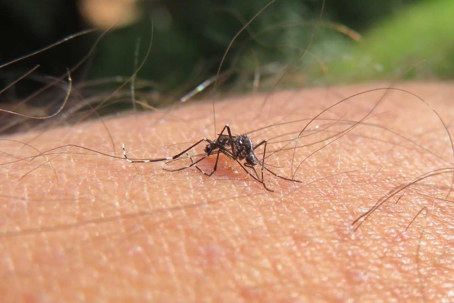
Bugs Bite
Many insects and arthropods are capable of biting humans or pets, though the frequency, severity, and risks vary widely:
Common Biting Insects
- Mosquitoes: bite humans, dogs, cats, livestock.
- Fleas: bite humans, dogs, cats, rodents.
- Bed Bugs: bite humans primarily; rarely pets.
- Lice: bite humans (head, body, pubic), occasionally pets.
Beetles and True Bugs
- Stink Bugs & Leaf-footed Bugs: Rarely bite; if they do, minor irritation.
- Boxelder Bugs & Other Plant Bugs: Occasional “nips” when handled; generally harmless.
- Bed-bug-like beetles (Carpet Beetles, Powderpost Beetles): Do not truly bite, though contact may irritate skin.
Spiders & Scorpions
- Spiders: Most are harmless; a few (black widow, brown recluse) can deliver medically significant bites.
- Scorpions: Can sting and bite; venom varies by species, causing pain, swelling, or serious reactions.
Ants
- Fire Ants, Bulldog Ants: Can bite and inject venom, causing burning, itching, or allergic reactions.
- Carpenter Ants / Pavement Ants / Other Common Ants: Bites are usually mild, with minor irritation.
Flies
- Horseflies and Deerflies – painful bites.
- Blackflies / Sandflies / Midges – itchy bites, can transmit disease.
- Stable Flies – bite animals and occasionally humans, causing irritation.
Bees & Wasps
Exceptions: Some carpenter bees or honey bees may “bite” when gathering pollen, but this is rare and minor.
Other Arthropods
- Ticks: Attach to skin and feed on blood.
- Mites (e.g., scabies, bird mites, chiggers): Can cause itching, red welts, allergic reactions.
- Centipedes: Rare bites; can be painful, with mild venom effects.
- Millipedes: Do not bite; secrete irritating fluids if handled.
Most biting insects cause mild irritation, but some can transmit serious diseases or trigger severe allergic reactions. Pets are vulnerable to many of the same biting insects as humans, especially fleas, ticks, mosquitoes, and flies. Identifying the biting species is important for effective treatment and prevention.
Bug Bites
The risks associated with bug bites vary widely depending on the type of bug, the victim’s sensitivity, and whether the bug carries pathogens:
Local Skin Reactions
Most bites produce minor, localized effects:
Redness and swelling: Often immediate and mild.
Itching or burning: Common with mosquitoes, fleas, bed bugs, or mites.
Pain: Usually from larger biting insects like horseflies, deerflies, or certain ants.
Blisters or welts: Sometimes occur with allergic reactions or repeated bites.
Potential complications:
Scratching can lead to secondary infections like impetigo or cellulitis.
Hyperpigmentation or scarring in severe or persistent cases.
Allergic Reactions
Some people have stronger reactions to bug bites:
Localized allergy: Large, swollen, itchy areas beyond the bite site.
Systemic reactions: Hives, swelling of lips or eyes, or anaphylaxis (rare, life-threatening).
Exacerbation of asthma or eczema in sensitive individuals.
High-risk insects: Bees, wasps, fire ants, some spiders, ticks in allergic individuals.
Transmission of Diseases
Biting insects and arachnids can transmit a wide range of diseases to humans and pets, making them significant public health concerns:
- Mosquitoes spread malaria, dengue, Zika, West Nile virus, chikungunya, and yellow fever.
- Ticks can transmit Lyme disease, Rocky Mountain spotted fever, anaplasmosis, babesiosis, and tick-borne encephalitis.
- Fleas are known carriers of plague, murine typhus, and cat scratch disease.
- Lice can transmit epidemic typhus, trench fever, and relapsing fever.
- Sandflies can cause leishmaniasis and sandfly fever.
- Blackflies can transmit onchocerciasis (river blindness).
- Kissing bugs are responsible for Chagas disease.
- Less common vectors such as horseflies, deerflies, mites, and biting midges can also carry tularemia, loiasis, scrub typhus, and certain viral infections.
The risk of disease depends on species, location, and exposure, highlighting the importance of protective measures, pest control, and awareness to prevent potentially serious infections.
Psychological or Behavioral Effects
Sleep disturbance: Bed bug infestations can disrupt sleep due to itching and stress.
Anxiety or phobias: Persistent infestations may cause stress, fear, or avoidance behaviors.
Long-Term Skin or Health Consequences
Chronic itching or dermatitis: Can occur with repeated bites from mites, fleas, or bed bugs.
Scarring or pigmentation changes: From scratching or severe allergic reactions.
Infection spread: Scratching bites can spread bacteria or fungi.
Special Considerations for Vulnerable Populations
Children, elderly, or immunocompromised individuals may develop more severe infections or allergic reactions.
Pets can suffer anemia from heavy infestations (fleas, ticks) or develop serious diseases like heartworm.
Bug bites range from minor discomfort to serious medical issues, including infection, allergic reaction, or disease transmission. Proper identification of the biting species and timely treatment are crucial for reducing risk.
What Do Bug Bites Look Like?
Bug bites appear as localized skin reactions that can vary in size, shape, and severity depending on the type of insect, the person’s sensitivity, and whether any secondary infection occurs. Most commonly, bites present as small, red, raised bumps or welts that may be itchy, swollen, or tender. Some bites develop a central puncture mark, which looks like a tiny dot or blister where the insect’s mouthparts penetrated the skin. In certain cases, bites can form clusters or lines—often seen with bed bugs or fleas—or larger, irregularly shaped welts, which are more typical of mosquito or horsefly bites. Severe reactions may include extensive redness, blistering, or even hives, and repeated bites can cause thickened skin or discoloration over time. While most bug bites are mild and resolve on their own, any bite that becomes extremely painful, spreads, or shows signs of infection should be evaluated by a healthcare professional.
What To Do About Bug Bites
If you’re experiencing bug bites, it’s important to take a structured approach to reduce discomfort, prevent infection, and address the source. First, identify the type of insect if possible—mosquitoes, fleas, bed bugs, mites, or ticks all require slightly different strategies. Immediately clean the affected areas with soap and water to remove saliva, venom, or potential pathogens. Over-the-counter treatments like antihistamines, hydrocortisone cream, or calamine lotion can help reduce itching, swelling, and irritation. Avoid scratching, as this can break the skin and lead to infection. Monitor for signs of infection (redness, warmth, pus, spreading rash) or allergic reactions (hives, swelling, difficulty breathing), and seek medical attention if these occur. Simultaneously, address the infestation: wash bedding, vacuum carpets, treat pets if relevant, seal entry points, and consider professional pest control if the problem persists. Preventative measures—like insect repellents, bed nets, and keeping living areas clean—are essential to stop repeated bites.