
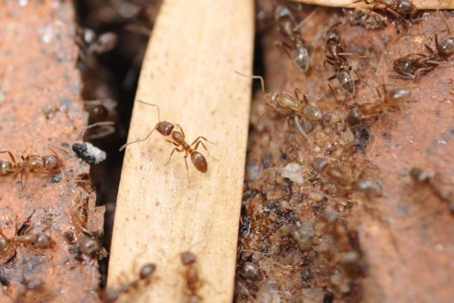
Do Argentine Ants Bite?
Argentine ants are not typically aggressive toward people or pets, but these ants may bite when they feel threatened, disturbed, or trapped. Their bites are generally mild and less painful than those of fire ants, but they can still cause discomfort. The situations in which Argentine ants are most likely to bite include:
Disturbance of their nest or foraging trails: When a colony or trail is disrupted—such as during yard work, gardening, or when lifting objects that conceal their nesting sites—Argentine ants may bite defensively to protect their colony.
High infestations indoors: During periods of extreme heat, drought, or heavy rain, Argentine ants often invade homes in large numbers seeking moisture and food. If they come into contact with skin (for example, while crawling on someone in bed or on the couch), they might bite out of self-defense.
Food protection behavior: Argentine ants are highly competitive for food sources. If they’re actively feeding on something—like spilled sugary drinks, pet food, or trash—and a person or animal disturbs them, they may bite to defend that resource.
Compression against skin: If an ant becomes trapped under clothing, bedding, or between skin and another surface, it may bite as a reflexive reaction to being crushed.
Outdoor interactions with pets: Pets lying or digging near infested areas, such as under patios, around foundation edges, or in mulch beds, can accidentally disturb nests and provoke defensive bites.
Argentine Ant Bites
Argentine ant bites are generally considered low-risk, as these ants do not sting and their bites are not venomous. However, there are still a few potential health concerns and secondary risks that can arise, especially in cases of repeated exposure or large infestations. The main risks associated with Argentine ant bites include:
Mild skin irritation: The most common reaction to an Argentine ant bite is minor redness, swelling, or itching at the site. These symptoms are typically short-lived and resolve without medical treatment.
Allergic reactions: Though rare, some individuals may experience a mild allergic response to the ant’s bite, leading to increased swelling, itching, or hives around the affected area. Severe allergic reactions (such as anaphylaxis) are extremely uncommon with this species.
Secondary infection: Frequent scratching or poor wound hygiene can introduce bacteria into the bite site, potentially causing localized infection. This may lead to redness, tenderness, or pus formation, particularly in children or individuals with compromised immune systems.
Psychological discomfort and sleep disruption: During heavy infestations indoors, ants crawling on the skin or biting can cause stress, anxiety, or difficulty sleeping, especially if they invade beds or resting areas.
Risk to pets: Pets may experience similar irritation if bitten, particularly around their paws, bellies, or faces. While the bites themselves are not dangerous, persistent exposure can cause discomfort and lead to excessive scratching or licking, which may irritate the skin further.
Argentine ant bites are more of a nuisance than a medical threat, but their presence in large numbers can significantly impact comfort and hygiene in homes or yards.
What Do Argentine Ant Bites Look Like?
Argentine ant bites are small, subtle, and often difficult to distinguish from minor insect bites. Because these ants do not sting or inject venom, their bites typically cause only mild and localized irritation. Here’s what they generally look like:
Small red bumps: The bite site usually appears as a tiny, round, reddish bump—similar in size to a mosquito or flea bite, but without a raised center or blister.
Slight swelling: Mild swelling or puffiness may develop around the area, especially in individuals with sensitive skin or mild allergic tendencies.
Localized itching or tenderness: The bite may itch slightly or feel mildly sore to the touch for a few hours after the incident.
No pustule or blister formation: Unlike fire ant stings, Argentine ant bites do not form white pustules or blisters because there is no venom injection or necrotic tissue reaction.
Quick healing: In most cases, redness and irritation fade within a day or two without scarring or lingering marks.
In people with more sensitive skin, several bites close together—common during heavy infestations—can appear as a cluster of small red dots. However, these reactions remain mild and are rarely serious.
What To Do About Argentine Ant Bites
If you’re bitten by Argentine ants, treatment is simple and focused on relieving discomfort and preventing infection. Their bites are not venomous and rarely cause serious problems, but proper care helps ensure quick healing and avoids complications. Here’s what to do:
Move away from the ants immediately: Step away from the nest or infested area to prevent additional bites. Check your clothing and skin for ants that may still be crawling.
Wash the area thoroughly: Clean the bite site with mild soap and warm water to remove any dirt, bacteria, or ant secretions. This helps prevent infection and soothe irritation.
Apply a cold compress: Place a clean, cold compress or ice pack (wrapped in a cloth) on the affected area for 5–10 minutes to reduce swelling, redness, and itching.
Use topical treatments for relief: Apply an over-the-counter anti-itch cream, hydrocortisone cream, or calamine lotion to ease itching and inflammation. An oral antihistamine (such as diphenhydramine or cetirizine) can also help if there’s more noticeable irritation.
Avoid scratching: Scratching the bite can break the skin and introduce bacteria, which may lead to secondary infection. If the area itches badly, reapply a cold compress or topical cream instead.
Monitor for signs of infection: Watch for symptoms such as increasing redness, warmth, swelling, pain, or pus. If any of these occur, or if the irritation lasts more than a few days, consult a healthcare professional.
Seek medical attention for severe reactions: While extremely rare, anyone experiencing widespread swelling, difficulty breathing, dizziness, or hives should seek immediate medical care, as these could indicate an allergic reaction.
In most cases, Argentine ant bites heal quickly with minimal care. If you’re seeing repeated bites, it’s best to address the infestation directly. Our professional pest control measures will help eliminate the colony and prevent future encounters. Contact us today to learn more.