
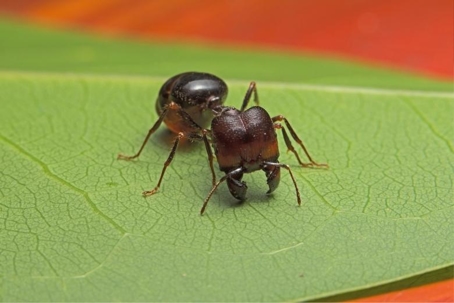
Do Bigheaded Ants Bite?
Bigheaded ants (Pheidole spp.) rarely bite humans or pets, but when they do, it’s typically because they feel threatened or their nest is disturbed. These ants are defensive rather than aggressive, so bites usually occur in specific situations involving direct contact or habitat disruption. You’re most likely to experience bites from bigheaded ants in the following situations:
Disturbing their nest or foraging trails: If you accidentally dig into a colony, move debris, or handle soil, mulch, or leaf litter where they’re nesting, worker ants may swarm defensively and bite.
Outdoor maintenance or gardening: Activities like mowing the lawn, weeding, or trimming near their nesting sites can provoke them, especially in warm, dry areas where they commonly nest under rocks, logs, or pavement edges.
During structural infestations: In rare cases, if bigheaded ants establish colonies indoors (under floors, in wall voids, or around foundations), homeowners might be bitten while cleaning, repairing, or pest-proofing affected areas.
Pets lying or digging near nests: Dogs and cats that lie on ant-infested lawns, dig in dirt, or investigate nests may get bitten on their paws or bellies when ants perceive them as a threat.
Bigheaded Ant Bites
Bigheaded ant bites are generally considered harmless, but they can still cause mild and localized irritation in some cases. These ants do not sting or inject venom, and their mandibles are relatively small, so the physical damage from a bite is minimal. However, a few potential risks can arise depending on the individual’s sensitivity and the circumstances of exposure. The most common risks associated with bigheaded ant bites include:
Mild skin irritation: The most typical reaction is slight redness, itching, or a stinging sensation at the bite site. This irritation usually subsides within a few hours.
Minor swelling or localized inflammation: Some individuals experience mild swelling or tenderness around the affected area, especially after multiple bites.
Secondary infection: Scratching the irritated skin can break the surface, creating an entry point for bacteria. This may lead to a mild secondary infection characterized by redness, warmth, or pus.
Allergic response (rare): Though uncommon, individuals with heightened sensitivity to insect bites may develop exaggerated local reactions, such as pronounced swelling or hives. Systemic allergic reactions are extremely rare and not typical of bigheaded ant bites.
Discomfort to pets: For dogs or cats that encounter a large number of ants, repeated bites can cause localized irritation, prompting licking, scratching, or mild inflammation of the paws or belly.
The health risks from bigheaded ant bites are relatively minor. Their primary concern lies more in their ability to infest structures and displace native ant species than in any medical threat they pose.
What Do Bigheaded Ant Bites Look Like?
Bigheaded ant bites are typically subtle and often go unnoticed until mild irritation sets in. Because these ants do not sting or inject venom, their bites do not produce the intense burning or pustule-like lesions seen with fire ants or other aggressive species. The appearance varies slightly depending on the individual’s skin sensitivity and the number of bites received. Here’s what bigheaded ant bites generally look like:
Small red spots or pinpoint marks: At the site of the bite, you may notice tiny red dots or faint raised bumps, usually less than a few millimeters wide.
Localized redness: The surrounding skin may appear slightly flushed or pink due to mild inflammation.
Occasional swelling: Some people develop a small area of swelling or a puffy welt, particularly if several bites occur close together.
Itching or mild tenderness: While not visually dramatic, the area may feel itchy, warm, or slightly sore to the touch.
Clustered appearance: Bites often appear in small clusters or scattered patterns on areas that came into contact with soil, grass, or surfaces where ants were present—such as ankles, feet, or hands.
For most people, these marks fade within a day or two without treatment. In more sensitive individuals, they might persist for several days but rarely develop into blisters or open sores. Pets may exhibit subtle signs like redness, minor swelling, or frequent licking of affected areas if bitten repeatedly.
What To Do About Bigheaded Ant Bites
If you get bitten by bigheaded ants, there’s generally no cause for alarm—their bites are mild and typically resolve on their own. However, taking a few simple steps can help minimize discomfort, prevent infection, and ensure proper healing. Here’s what to do:
Move away from the source: Step away from the nesting area or foraging trail immediately to avoid additional bites. Brush any remaining ants off your skin and clothing.
Clean the area: Wash the affected skin thoroughly with soap and warm water to remove dirt, bacteria, or ant residue. This helps prevent secondary infection.
Soothe irritation: Apply a cold compress or ice pack wrapped in a clean cloth for 10–15 minutes to reduce redness, itching, and swelling.
Apply a topical treatment: Use an over-the-counter hydrocortisone cream, calamine lotion, or an antihistamine gel to calm itching and inflammation. Aloe vera gel or witch hazel can also provide soothing relief.
Avoid scratching: Even though the bites may itch, scratching can break the skin and introduce bacteria, leading to infection.
Monitor for unusual reactions: If you notice increasing redness, warmth, pain, pus, or swelling beyond the bite site, it could indicate infection—clean again and consult a healthcare provider.
Watch for allergic symptoms (rare): Seek medical attention immediately if you experience dizziness, difficulty breathing, hives away from the bite site, or swelling of the face or throat—though these reactions are exceptionally uncommon for bigheaded ant bites.
For most people, symptoms fade within a few hours to a couple of days. If you experience frequent bites around your home or yard, it may be a sign of a nearby infestation, and our professional pest control treatment may be necessary to eliminate the colony source. Contact us to learn more about our professional ant control services.