
Do Deer Mice Bite?
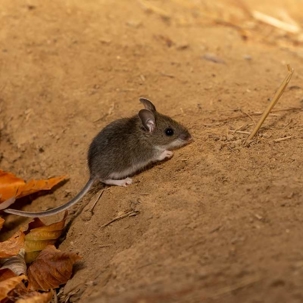
Deer mice (Peromyscus maniculatus) are generally shy, nocturnal rodents that prefer to avoid human contact. However, these mice can bite when they feel cornered, trapped, or threatened. Understanding the situations in which deer mice are most likely to bite helps minimize risk—especially since these rodents can carry hantavirus, a potentially serious disease transmitted through contact with their saliva, urine, or droppings. Here are the most common situations when deer mice may bite:
Handling or Cornering – Deer mice are more likely to bite if they are grabbed or cornered, particularly indoors or in confined spaces like basements, sheds, or crawl spaces. Their instinct is to defend themselves when escape isn’t possible.
Disturbing a Nest – If someone accidentally disturbs a nesting site—such as when cleaning storage areas, barns, or cabins—mother deer mice may bite to protect their young.
Trapped in a Live Catch Trap – When caught in a live trap, deer mice often panic and bite if a person attempts to release or handle them directly.
Pet Interactions – Cats or dogs that chase or capture deer mice may get bitten in return. While rare, this can still pose a risk of disease transmission through saliva exposure.
Feeding or Trying to Relocate – Sometimes people attempt to feed or relocate wild mice out of compassion, which can provoke defensive biting since deer mice are not domesticated or socialized to human contact.
Deer mice rarely bite unprovoked—but any attempt to handle or corner them significantly increases the likelihood of a defensive bite.
Deer Mouse Bites
Deer mouse bites pose several potential risks, most of which stem from their ability to carry and transmit diseases. While the bite itself is typically small, the real concern lies in the pathogens that can enter the body through saliva or contaminated wound surfaces. Here are some of the health risks associated with deer mouse bites:
Hantavirus Pulmonary Syndrome (HPS)
Primary Concern: Deer mice are the main carriers of hantavirus in North America. While transmission most commonly occurs through inhalation of virus-laden dust from droppings, urine, or nesting materials, a bite can also transmit the virus if the saliva is infectious.
Symptoms: Early symptoms include fatigue, fever, and muscle aches—especially in large muscle groups—followed by coughing, shortness of breath, and fluid accumulation in the lungs.
Severity: HPS is potentially fatal; it requires immediate medical attention. Even though transmission through bites is rare, it should never be dismissed.
Bacterial Infection
Like most rodent bites, deer mouse bites can introduce bacteria into the wound, leading to localized infection or cellulitis.
Common symptoms: Redness, swelling, warmth, tenderness, or pus around the bite.
Without proper cleaning and treatment, the infection can spread to the bloodstream, resulting in sepsis, which can be life-threatening.
Lymphocytic Choriomeningitis Virus (LCMV)
While house mice are the primary hosts for LCMV, deer mice may occasionally carry similar viral strains.
Transmission risk: Low but possible via contact with saliva or contaminated blood.
Symptoms: Flu-like illness that can progress to meningitis or encephalitis in severe cases.
Tetanus
Any puncture wound—including an animal bite—poses a risk of tetanus, especially if vaccination is not up to date.
The Clostridium tetani bacteria can cause painful muscle stiffness, spasms, and potentially fatal complications if untreated.
Allergic Reaction or Secondary Irritation
Some individuals may experience a hypersensitivity reaction to deer mouse saliva or other contaminants. This may include redness, itching, or swelling beyond the immediate bite area.
Even though deer mouse bites are rare and typically defensive, they should always be treated as potentially serious due to the possibility of hantavirus or bacterial infection. Immediate wound cleaning with soap and water, followed by medical evaluation, is strongly recommended. A healthcare provider may prescribe antibiotics, update tetanus immunizations, or conduct tests for viral exposure depending on the circumstances.
What Do Deer Mouse Bites Look Like?
A deer mouse bite is typically small and may not appear dramatic at first, but it’s important to recognize the signs since even a minor wound can carry health risks. Because deer mice have small, sharp incisors, their bites often resemble tiny puncture marks or fine cuts rather than deep wounds.
Here’s what a deer mouse bite usually looks like and how it may progress over time:
Initial Appearance
Tiny puncture wounds or shallow cuts: The bite may show one or two small red dots or short scratch-like marks, usually less than a quarter-inch long.
Minimal bleeding: Deer mice don’t have large teeth, so bleeding is often light but noticeable.
Mild redness and tenderness: The surrounding skin may appear slightly inflamed or irritated shortly after the bite occurs.
Within Several Hours
Redness and swelling: If bacteria from the mouse’s saliva enter the wound, localized inflammation may develop. The area can feel warm, sore, or tight.
Slight bruising: Some bites cause minor bruising or discoloration as the tissue reacts to the injury.
If Infection Develops
If the wound isn’t cleaned promptly or effectively, infection can set in within 24–48 hours. Signs of infection include:
Increased swelling, redness, and pain
Formation of pus or drainage
Streaking redness spreading outward from the bite (a sign of possible cellulitis)
Fever or chills, which may indicate systemic infection
Healing Appearance
With proper care, most deer mouse bites heal within 5–10 days, leaving little or no scarring.
However, if the wound becomes infected or if a disease (like hantavirus) is transmitted, medical symptoms may develop separately from the bite site—such as fever, fatigue, or respiratory issues in the case of hantavirus exposure.
Because deer mice can carry hantavirus, even a small bite should be treated as a potential exposure event. It’s vital to wash the wound immediately with soap and warm water, apply an antiseptic, and seek medical attention—particularly if you experience flu-like symptoms or the bite becomes red, swollen, or painful.
What To Do About Deer Mouse Bites
If you’re bitten by a deer mouse, you should treat the wound immediately and seriously, even if it appears minor. Deer mice can carry hantavirus and other pathogens that pose serious health risks. Proper first aid and prompt medical evaluation are essential to reduce infection risk and ensure no disease transmission occurs. Here’s exactly what to do:
Get to Safety
Move away from the animal immediately to prevent additional bites. Deer mice are typically defensive when cornered, so avoid trying to capture or handle it again.
Wash the Wound Thoroughly
Use warm running water and soap to flush the bite for at least 5 minutes.
Be sure to clean the area deeply to remove any saliva, debris, or dirt that could harbor bacteria or viruses.
Avoid harsh scrubbing that could further irritate the tissue.
Apply an Antiseptic
After washing, disinfect the bite area with an antiseptic solution such as:
Hydrogen peroxide, povidone-iodine, or an alcohol-based disinfectant.
This helps kill lingering bacteria and lowers the risk of infection.
Control Bleeding and Cover the Wound
If the bite is bleeding, apply gentle pressure with a clean cloth or sterile gauze until it stops.
Once bleeding has subsided, apply an antibiotic ointment (like Neosporin) and cover it with a sterile bandage.
Change the dressing daily or whenever it becomes wet or dirty.
Seek Medical Attention Immediately
Even if the bite looks minor, call or visit a doctor or urgent care center as soon as possible. Inform them that the bite was from a wild deer mouse, as this alerts them to the risk of hantavirus or bacterial infection. Your healthcare provider may:
Clean the wound professionally and inspect for deeper tissue damage.
Prescribe antibiotics to prevent or treat infection.
Administer a tetanus booster if you haven’t had one within the last 10 years.
Monitor for signs of hantavirus or other rare infections.
Watch for Symptoms
Keep a close eye on your health for the next 1–6 weeks, as some diseases have delayed onset.
Contact a doctor immediately if you experience:
Fever, fatigue, muscle aches, or chills
Shortness of breath or dry coughing (possible hantavirus signs)
Redness, swelling, warmth, or pus at the bite site
Red streaks spreading from the wound or swollen lymph nodes
Report and Sanitize
If the bite occurred indoors, contact our team of licensed pest control professionals to inspect and sanitize the area. Deer mice may be nesting nearby, and thorough cleanup is crucial since their droppings and urine can also carry hantavirus.
Avoid sweeping or vacuuming droppings—this can aerosolize particles. Use disinfectant spray and disposable gloves for cleanup.
Even though deer mouse bites are uncommon, they require swift first aid and professional medical evaluation due to the risk of infection and hantavirus exposure. Quick action greatly reduces health complications and ensures proper wound healing.