
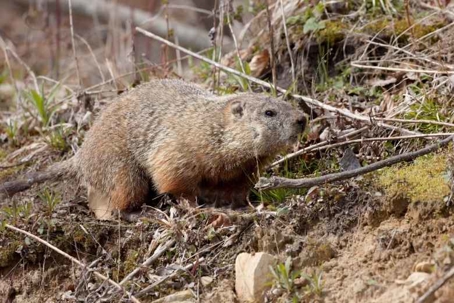
Do Groundhogs Bite?
Groundhogs, also known as woodchucks, are generally shy and non-aggressive large rodents that prefer to flee rather than fight when they sense danger. However, they can bite under specific circumstances, especially when they feel cornered, threatened, or are protecting themselves or their young. Here are the main situations in which groundhogs are most likely to bite:
When they feel trapped or cornered – A groundhog that cannot find an escape route may resort to biting as a last defense. This commonly happens when someone attempts to catch, handle, or block its burrow entrance.
When defending their young or burrow – Female groundhogs become highly defensive during breeding season (typically spring through early summer). If a person or pet approaches their den, they may perceive it as a threat and attack.
During handling or capture attempts – Groundhogs are wild animals and not accustomed to human contact. Trying to relocate, hold, or trap one without proper equipment can lead to bites, as they will bite aggressively to free themselves.
If startled suddenly at close range – Groundhogs have poor eyesight and can be easily startled. If approached quickly or quietly, they may lash out in panic.
When injured or sick – A wounded or ill groundhog, especially one infected with rabies, may exhibit uncharacteristic aggression, disorientation, or lack of fear toward humans and pets. Rabid groundhogs are more likely to bite unprovoked.
When pets confront them – Dogs and cats that chase or corner a groundhog can trigger defensive behavior, leading to bites and scratches during the struggle.
In most normal conditions, groundhogs will retreat to their burrows long before a person gets close enough to be bitten. Bites usually occur only when the animal feels it has no other option for escape.
Groundhog Bites
Groundhog bites, while uncommon, can pose serious health risks due to the potential for infection and disease transmission. As wild rodents, groundhogs carry a variety of bacteria and parasites that can be harmful to humans and pets. Here are the primary risks associated with groundhog bites:
Rabies – Although rare, groundhogs are among the few rodents that can contract and transmit rabies. A rabid groundhog may appear unusually aggressive, confused, or unafraid of people. Because rabies is almost always fatal once symptoms appear, any bite from a groundhog should be treated as a potential rabies exposure until ruled out by animal testing or medical professionals.
Bacterial infections – Groundhog mouths can harbor bacteria such as Pasteurella multocida, Streptococcus, and Staphylococcus species. These can lead to serious skin and soft-tissue infections if the wound is not promptly cleaned and treated. Symptoms of infection include redness, swelling, pus, warmth, and increasing pain around the bite site.
Tetanus – Like any puncture wound caused by an animal bite, groundhog bites can introduce Clostridium tetani spores into the body. If your tetanus vaccination is not up to date, the wound could develop tetanus—a potentially life-threatening condition affecting the nervous system.
Secondary infections and abscess formation – Untreated bites can lead to localized abscesses (pockets of pus), cellulitis, or systemic infections such as sepsis if bacteria enter the bloodstream. These complications can require antibiotics or even surgical drainage.
Injury-related complications – Groundhogs have strong jaws and sharp incisors capable of inflicting deep puncture wounds or lacerations. These injuries can damage tendons, nerves, or blood vessels, particularly if the bite occurs on the hands or fingers.
Groundhog bites should always be taken seriously. Immediate wound cleaning, medical evaluation, and possible rabies and tetanus prophylaxis are essential steps to prevent complications.
What Do Groundhog Bites Look Like?
Groundhog bites can vary in appearance depending on the depth and location of the wound, but they typically present as puncture marks or lacerations caused by the animal’s long, sharp incisors. Because groundhogs have strong jaws designed for gnawing through wood and roots, their bites can inflict significant tissue damage. Here’s what groundhog bites generally look like and how they may progress:
Puncture Wounds – The most common presentation is two distinct puncture marks, typically spaced about half an inch apart, made by the upper and lower incisors. The punctures may appear clean or ragged, depending on how the animal bit or pulled away.
Lacerations or Tearing – In cases where the groundhog bites and twists or holds on, the wound can become a deep gash or tear rather than a simple puncture. This is more likely when someone tries to pull away during the bite.
Bruising and Swelling – Surrounding tissue often becomes bruised and swollen within hours due to the crushing force of the bite. The area may also become tender or painful to the touch.
Bleeding – Groundhog bites can bleed heavily at first, especially if the bite penetrates through the skin into muscle or soft tissue. Superficial bites may only ooze blood, while deeper bites can cause steady bleeding.
Signs of Infection (if untreated) – Within 24–48 hours, an infected bite may show redness spreading outward from the wound, warmth, pus discharge, or red streaks traveling up the limb (a sign of lymphangitis). Fever or chills may also develop in severe cases.
Healed or Scarred Appearance – After healing, depending on wound depth and treatment, a groundhog bite may leave small circular scars or larger irregular marks if tissue loss occurred.
Because of the strength of a groundhog’s bite and the risk of infection, any bite should be cleaned immediately with soap and water and evaluated by a healthcare provider. Medical professionals can determine whether rabies post-exposure treatment, antibiotics, or a tetanus booster are necessary.
What To Do About Groundhog Bites
If you or your pet are bitten by a groundhog, it’s critical to respond quickly and appropriately. Groundhog bites, though uncommon, can pose serious health risks — including rabies and bacterial infection — so immediate and thorough care is essential. Here’s exactly what to do:
Get to a safe distance
Move away from the groundhog right away. Groundhogs may bite multiple times if they still feel threatened, especially if they’re cornered or rabid. Do not attempt to capture or kill the animal yourself.
Wash the wound immediately
Rinse the bite thoroughly under running water for at least 10–15 minutes. Use warm water and mild soap to flush out as much bacteria as possible. Avoid scrubbing harshly, but make sure the wound is well-cleaned. After rinsing:
Apply an antiseptic such as hydrogen peroxide, iodine, or rubbing alcohol if available.
Lightly cover the wound with a clean, sterile bandage or dressing.
Control bleeding
If the wound is bleeding, apply firm pressure using a clean cloth or sterile gauze until it stops. If the bleeding is severe or spurting, continue pressure and seek emergency care immediately.
Seek medical attention right away
Even if the bite seems minor, you should see a doctor or visit an urgent care or emergency clinic immediately. Medical professionals will:
Assess the wound for infection risk or tissue damage.
Determine whether you need rabies post-exposure prophylaxis (PEP) — especially if the groundhog was behaving oddly or escaped capture.
Administer a tetanus booster if your vaccination isn’t up to date (usually within the last 5 years for animal bites).
Prescribe antibiotics if the wound is deep, dirty, or shows early signs of infection.
Report the bite to animal control or public health authorities
If possible, contact local animal control to report the incident. If the groundhog can be safely contained (by professionals), it can be tested for rabies. Reporting helps prevent additional exposures in your area.
Monitor for signs of infection
Over the next several days, keep an eye on the wound for:
Increasing redness or swelling
Pus or discharge
Fever or chills
Red streaks traveling up from the bite site
If any of these occur, return to your healthcare provider immediately — they may indicate a spreading infection.
What to do if your pet is bitten
If your dog or cat is bitten by a groundhog:
Wear gloves to avoid contact with your pet’s saliva or the wound.
Wash the area gently with warm water and mild soap.
Call your veterinarian immediately. Your vet may need to administer a rabies booster, start antibiotics, and file an exposure report with local authorities.
A groundhog bite should always be treated as a medical emergency until rabies and infection risks are ruled out. Quick wound cleaning, prompt medical care, and reporting the incident are the best ways to prevent serious complications.