
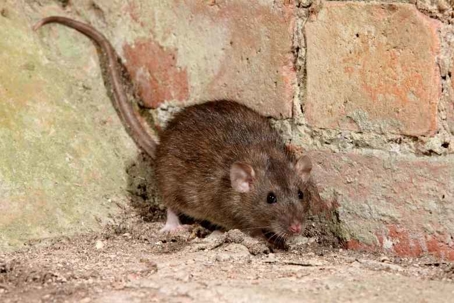
Do Norway Rats Bite?
Norway rats (also known as brown rats or sewer rats) typically avoid human and pet interaction, but these rats can become aggressive and bite in certain stressful or defensive situations. Biting incidents are relatively rare but can occur under the following circumstances:
When They Feel Cornered or Threatened: Norway rats are territorial and will defend themselves if they have no escape route. This often happens if a person or pet disturbs their nest, traps them in a confined space, or tries to handle or catch them.
When Protecting Their Young: Female Norway rats with litters can be particularly defensive. If someone or a pet approaches their nesting area, the mother rat may perceive it as a threat and attack to protect her pups.
During Handling or Capture: Wild Norway rats may bite if captured by hand, caught in a trap, or restrained in any way. Even tame or laboratory rats may bite if handled roughly or unexpectedly startled.
When Startled or Surprised: Rats have poor eyesight and rely heavily on smell and vibration. If a human or animal suddenly disturbs them—especially in dark or enclosed areas—they may bite reflexively out of fear.
If Cornered by Pets: Cats or dogs that chase or corner a Norway rat can provoke a defensive bite. While rats usually flee, they will turn aggressive if they can’t escape.
When Competing for Food: Rats accustomed to scavenging in garbage or around human dwellings may bite if someone’s hand gets too close while they’re feeding. This is more common in urban environments where rats are bold and accustomed to human presence.
In Cases of Illness or Extreme Stress: A sick, injured, or starving rat is more likely to behave erratically and bite unpredictably.
Norway Rat Bites
Norway rat bites pose several health risks due to the bacteria and pathogens these rodents often carry. While the severity depends on the bite’s depth and cleanliness, these bites should always be treated as potentially serious. Here are the primary risks associated with Norway rat bites:
Bacterial Infections: Norway rat mouths can harbor harmful bacteria, and their bites can easily introduce these pathogens into the bloodstream. Common infections include Streptobacillus moniliformis, which causes rat-bite fever (RBF), a potentially serious illness, Staphylococcus and Streptococcus species, which can cause localized wound infections, abscesses, or cellulitis, and Pasteurella multocida, another bacteria that can lead to rapid-onset soft tissue infection.
Rat-Bite Fever (RBF): This is one of the most recognized diseases linked to Norway rat bites. It can cause symptoms such as fever, chills, muscle aches, joint pain, vomiting, and a rash. If left untreated, RBF can lead to serious complications like sepsis, pneumonia, meningitis, or endocarditis (heart infection). Antibiotics are typically required for treatment.
Tetanus: Any puncture wound, including a rat bite, can introduce Clostridium tetani spores. If tetanus immunization is not up to date, the bite can lead to muscle stiffness, spasms, and potentially life-threatening complications.
Secondary Infections: Because rat bites can be deep and irregular, they are prone to secondary bacterial infections if not properly cleaned and treated. Signs include redness, swelling, warmth, pus, and worsening pain at the bite site.
Sepsis (Systemic Infection): If bacteria from a rat bite spread into the bloodstream, it can cause sepsis — a serious, body-wide inflammatory response that can be fatal without prompt medical care.
Viral and Parasitic Risks (Rare but Possible): While less common, Norway rats can carry other pathogens that may be transmitted through saliva or contamination of the wound, such as Leptospira (causing leptospirosis) or Hantavirus (though usually spread through urine and droppings rather than bites).
Allergic Reactions: Some people may experience allergic responses to rat saliva or the bite wound itself, leading to swelling, itching, or systemic reactions in severe cases.
Norway rat bites can lead to infections ranging from mild to life-threatening if untreated. Immediate cleaning, disinfection, and medical attention are essential to prevent complications such as rat-bite fever or tetanus.
What Do Norway Rat Bites Look Like?
A Norway rat bite is typically easy to identify due to its distinct puncture pattern and the rapid inflammation that can follow. However, the exact appearance can vary depending on how deep the bite is, how quickly it’s cleaned, and whether infection develops. Here is what a Norway rat bite looks like and how it can progress:
Initial Appearance (Fresh Bite):
Puncture Marks: The bite usually consists of one or more small, sharp puncture wounds from the rat’s incisors. These may appear as two closely spaced punctures or small tears in the skin.
Bleeding: The wound often bleeds moderately due to the depth of the puncture. Because rat teeth are long and narrow, the injury can reach deeper tissue.
Surrounding Redness: Mild redness and swelling often appear quickly around the wound site.
After a Few Hours:
Swelling and Pain: The area can become tender, swollen, and warm to the touch.
Bruising or Discoloration: Depending on bite depth, bruising may appear around the wound, especially if the bite occurred on soft tissue (like the hand or forearm).
Clear Fluid or Scabbing: A light scab or clear fluid discharge may form as the body begins healing.
If Infection Develops (Within 24–72 Hours):
Increased Redness and Swelling: The redness may expand beyond the initial wound area, and the swelling can become pronounced.
Pus or Drainage: The wound might ooze yellow or green pus, indicating bacterial infection.
Throbbing Pain and Warmth: These are signs of an inflammatory or infectious process.
Red Streaking: In more serious cases, red streaks extending from the wound toward the body may indicate lymphangitis (infection spreading through lymph vessels).
Systemic Symptoms: Fever, chills, or muscle aches may develop if rat-bite fever or another systemic infection begins.
Healing and Scarring:
If properly cleaned and treated, a mild rat bite may heal in 7–10 days, leaving only a small scar or faint discoloration.
Deeper or infected bites may result in more noticeable scarring or tissue damage, especially if medical care was delayed.
Norway rat bites most often occur on exposed skin — hands, fingers, feet, or lower legs — since these are the body parts most likely to come into contact with rats, especially during sleep, cleaning, or handling objects in infested areas.
What To Do About Norway Rat Bites
Because Norway rat bites carry a high risk of infection, quick and proper action is crucial. Here’s what to do immediately after being bitten by a Norway rat:
Stay Calm and Assess the Situation
Try to remain calm and safely move away from the rat to prevent further injury. Note the rat’s behavior and location — if it appeared unusually aggressive or disoriented, that could be important for your healthcare provider to know.
Wash the Wound Thoroughly
Immediately rinse the bite under running warm water for at least 5–10 minutes to flush out saliva, dirt, and bacteria. Then:
Use mild soap and gently but thoroughly clean the wound and surrounding skin.
Avoid scrubbing harshly, which can damage tissue.
Do not attempt to seal the wound (e.g., with superglue or tight bandages) — it needs to drain properly.
Control Bleeding
If the bite is bleeding:
Apply gentle pressure with a clean cloth or sterile gauze until the bleeding slows or stops.
Elevate the injured area above heart level if possible.
Disinfect the Wound
After cleaning, apply an antiseptic such as hydrogen peroxide, iodine, or rubbing alcohol to help kill surface bacteria.
Apply a Clean Bandage
Cover the wound with a sterile, non-stick dressing or bandage. Keep it loose enough to allow airflow but snug enough to protect against contamination. Change the dressing at least twice daily or sooner if it becomes wet or dirty.
Seek Prompt Medical Attention
Even if the bite looks minor, medical evaluation is highly recommended. Inform your doctor or visit an urgent care center within 24 hours. Your healthcare provider may:
Prescribe antibiotics (commonly amoxicillin-clavulanate or doxycycline) to prevent infection or rat-bite fever.
Update your tetanus shot if you haven’t had one in the past 5–10 years.
Clean and debride the wound professionally if necessary.
Order lab tests if infection symptoms or systemic illness develop.
If the rat appeared sick, unusually aggressive, or behaving erratically, local health authorities might test for diseases such as rat-bite fever or leptospirosis.
Monitor for Signs of Infection or Illness
Over the next several days, watch for the following warning signs:
Increasing redness, swelling, or warmth around the wound
Pus, foul odor, or spreading inflammation
Fever, chills, headache, or muscle/joint pain
Rash or red streaks spreading from the bite
If you notice any of these, seek emergency medical care immediately, as they may indicate a developing infection such as rat-bite fever or sepsis.
Follow Up and Prevent Future Encounters
After treatment, follow all medical advice and complete the full course of antibiotics if prescribed. To reduce future risk:
Identify and seal entry points where rats may enter your home or business.
Eliminate food sources and nesting sites.
Contact our team of licensed pest control professionals to safely remove infestations and sanitize affected areas.