
Do Roof Rats Bite?
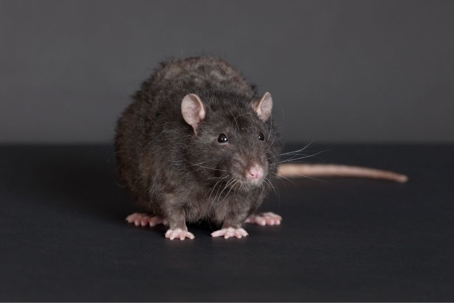
Roof rats (Rattus rattus), also known as black rats or ship rats, are generally shy and avoid humans, but bites can occur in certain situations, especially when the rat feels threatened or is defending itself:
Direct Handling or Capture: Trying to pick up or trap a roof rat can provoke a defensive bite. This is common in pest control situations when rats are cornered.
Cornered or Threatened: Roof rats may bite if they feel trapped, such as in a tight space or attic, while being removed from walls, ceilings, or crawl spaces, or when a pet or person approaches them suddenly.
Food Competition: If a rat perceives a human or pet as a competitor for food, it may bite defensively. This is more likely in areas where food scraps, pet food, or accessible garbage is abundant.
Nest Protection: Females with young may bite if someone or a pet disturbs their nest. Nesting areas are often in attics, wall voids, or roof spaces.
Accidental Contact: A rat may bite if accidentally stepped on, touched, or caught in a pet’s activity (like a cat or dog cornering it).
Sickness or Stress: Rats infected with disease or exposed to high stress may behave more aggressively.
Roof rats are nocturnal and prefer to flee rather than fight. Most bites happen at night when they are active and humans or pets inadvertently disturb them. Children and pets are at higher risk because of curiosity and unintentional contact.
Roof Rat Bites
Roof rat bites can carry significant health risks because these rodents are known carriers of bacteria, viruses, and parasites. Here are some of the risks associated with roof rat (Rattus rattus) bites:
Bacterial Infections
Rat-Bite Fever (RBF): Caused by Streptobacillus moniliformis (common in the U.S.) or Spirillum minus (more common in Asia). Symptoms usually appear within 3–10 days and include fever, rash, vomiting, headache, and joint pain. Can be serious if untreated; antibiotics are required.
Other Skin Infections: Bites can become infected with common bacteria like Staphylococcus aureus or Streptococcus species, leading to redness, swelling, pus, and cellulitis.
Viral and Parasitic Risks
Hantavirus: While more commonly associated with deer mice, rats can sometimes carry hantavirus-like viruses, though transmission via bites is rare.
Tetanus
Rat bites can puncture deep into the skin. If a person is not up to date with tetanus vaccinations, the wound could become a portal for Clostridium tetani.
Allergic Reactions
Some people may experience localized or even systemic allergic reactions to rat saliva.
Symptoms can include itching, swelling, hives, or, rarely, anaphylaxis.
Secondary Complications
Abscess Formation: Untreated bites can develop pus-filled pockets under the skin.
Sepsis: In rare cases, if the infection spreads into the bloodstream, it can become life-threatening.
Special Considerations
Children, elderly, or immunocompromised individuals are at higher risk for severe complications.
Pets can also be bitten, risking bacterial infections or parasite transmission, though rat-bite fever is primarily a human concern.
Roof rat bites are more than just painful; they can introduce serious bacterial infections like rat-bite fever, cause localized infections, and pose risks for tetanus or allergic reactions. Immediate wound cleaning and professional medical evaluation are strongly recommended.
What Do Roof Rat Bites Look Like?
Roof rat bites have some distinctive features that can help identify them:
Bite Appearance
Puncture Marks: Roof rat bites typically leave two small, sharp puncture wounds close together, corresponding to the rat’s upper or lower incisors. The distance between the punctures is usually 4–6 mm, depending on the size of the rat.
Shape and Pattern: The bite may appear as a small oval or round wound, sometimes with slight tearing if the rat chewed or shook its jaw. Often the punctures are deeper than they look because rat teeth are very sharp and can pierce tendons or subcutaneous tissue.
Bleeding and Swelling: Immediate bleeding may occur but often stops quickly. Mild redness, swelling, and tenderness around the bite site is common. In some cases, the area may bruise slightly.
Secondary Changes (If Infection Develops)
Red streaks radiating from the bite (sign of spreading infection).
Pus or abscess formation at the wound site.
Increased warmth, pain, or swelling, indicating bacterial infection.
Location Patterns
Commonly bitten areas in humans are hands, fingers, arms, or feet, especially if someone attempts to handle the rat or touches a rat-infested area.
Pets may be bitten on muzzles, paws, or limbs if they corner or play with a rat.
Think of a roof rat bite as two tiny, sharp punctures close together, often accompanied by mild redness and swelling initially. If left untreated or if infection sets in, the area can become red, warm, and pus-filled.
What To Do About Roof Rat Bites
If you or someone else gets bitten by a roof rat, it’s important to act quickly because rat bites can transmit serious infections like rat-bite fever, tetanus, and other bacterial infections. Here's what to do:
Immediate First Aid
Wash the Wound Thoroughly: Rinse the bite under running warm water for at least 5 minutes. Use soap to clean around and inside the wound carefully.
Stop the Bleeding: Apply gentle pressure with a clean cloth or sterile gauze until bleeding stops. Avoid scrubbing, which can damage tissue further.
Apply an Antiseptic: Use an antiseptic solution like iodine, hydrogen peroxide, or an alcohol wipe to disinfect the bite.
Cover the Wound: Use a sterile bandage or dressing to protect the bite from dirt and bacteria. Change the bandage at least once daily or if it becomes wet or dirty.
Seek Medical Attention
Always consult a healthcare professional for roof rat bites, even if minor. Rat bites carry a high risk of infection.
Medical care may include a Tetanus booster if you haven’t had one in the last 5–10 years, prescription antibiotics to prevent or treat infection, and monitoring for rat-bite fever symptoms, which can appear within 3–10 days (fever, rash, joint pain, vomiting).
Monitor for Signs of Infection
Redness or swelling that spreads beyond the bite
Increasing pain or warmth at the wound site
Pus or foul-smelling drainage
Fever, chills, or body aches
If any of these appear, seek medical attention immediately, as infections from rat bites can escalate quickly.
Additional Precautions
Wash your hands thoroughly after touching the wound.
Keep pets away from the bite until the wound is healed to prevent contamination.
Report the bite to your local health department if possible, especially if you suspect rabies exposure (rare in rats but possible if the rat was ill).
Clean thoroughly, protect the wound, seek medical care, and monitor for infection.