
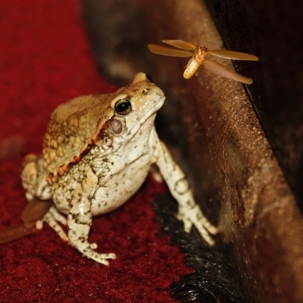
What Do Frogs Eat?
Frogs are carnivorous amphibians that consume a wide range of prey, with their specific diet varying based on their size, habitat, and species. That being said, frogs primarily eat insects and other small invertebrates. Here is what frogs eat:
What Insects Do Frogs Eat?
Frogs are opportunistic feeders and consume a wide variety of insects, depending on their size, habitat, and availability. Here are some insects that frogs commonly eat:
Frogs are highly adaptable and can adjust their diet based on what's available in their surroundings. Their diet can change as they transition from tadpoles to adults and from one life stage to another. As integral components of many ecosystems, frogs play a vital role in controlling insect populations and maintaining ecological balance.
Do Frogs Eat Ants?
Yes, many frog species eat ants, although the extent varies depending on the frog’s size, habitat, and diet preferences. Small frogs often rely on ants and other tiny insects as a primary food source, using their sticky tongues to capture them efficiently. However, some frogs avoid ants with strong chemical defenses or bites, as these can be toxic or irritating. In general, ants can form a regular part of a frog’s diet, especially in tropical and forested environments where ants are abundant.
Do Frogs Eat Aphids?
Yes, frogs can eat aphids, but these bugs are usually not a primary food source because aphids are very small and low in nutrition. Tiny frogs or juvenile frogs may consume aphids more frequently, while larger frogs tend to prefer bigger insects like crickets, beetles, or flies. Aphids are mostly eaten opportunistically when other prey is scarce.
Do Frogs Eat Beetles?
Yes, many frogs eat beetles as part of their diet. They use their sticky tongues to capture adult beetles or grab larvae, depending on availability and size. Beetles provide a protein-rich food source, and frogs in forests, grasslands, and gardens often include them alongside other insects like ants, flies, and moths. Some beetles with strong chemical defenses may be avoided, but most frogs can safely consume a variety of beetle species.
Do Frogs Eat Butterflies?
Yes, frogs can eat butterflies, although butterflies are less common prey compared to other insects. Frogs generally target slow-moving or resting butterflies, capturing them with their sticky tongues. Brightly colored butterflies with chemical defenses may be avoided, but many species are consumed opportunistically, adding variety to a frog’s insect-based diet.
Do Frogs Eat Centipedes?
Yes, some frogs eat centipedes, though it depends on the frog species and the size of the centipede. Small centipedes may be consumed by larger frogs, but many centipedes have strong venom or defensive chemicals, so frogs often avoid them unless they are desperate or the centipede is small and slow. When eaten, centipedes provide a high-protein meal, but they are considered opportunistic rather than staple prey.
Do Frogs Eat Cockroaches?
Yes, many frog species do eat cockroaches. Cockroaches are a part of the diet of various frogs, especially those that inhabit urban and suburban environments where cockroaches are abundant. Frogs are opportunistic feeders and will consume a wide range of insects, including cockroaches, if they come across them.
Cockroaches are a good source of protein for frogs, and they are relatively easy for frogs to catch due to their slow and deliberate movements. Frogs often use their long, sticky tongues to capture cockroaches and other small insects. In some cases, frogs may also feed on cockroach nymphs (young cockroaches) or smaller species of cockroaches.
The specific diet of a frog can vary based on its habitat and the availability of prey. Some frog species are more specialized in their diet, while others are generalists and will eat a wide variety of insects, including cockroaches, when the opportunity arises.
Do Frogs Eat Crickets?
Yes, frogs commonly eat crickets. Crickets are a preferred prey for many frog species because they are active, protein-rich, and easy to catch with a frog’s sticky tongue. Both wild frogs and captive frogs in terrariums rely on crickets as a primary food source, making them an important part of a frog’s diet.
Do Frogs Eat Dragonflies?
Yes, frogs eat dragonflies, though they usually target smaller or juvenile dragonflies that they can easily catch and swallow. Adult dragonflies are fast and agile fliers, so frogs often capture them when they rest or are near water. Dragonflies provide a high-protein meal, making them a valuable, though opportunistic, part of a frog’s diet.
Do Frogs Eat Flies?
Frogs commonly eat flies as part of their diet. Flies are one of the most common insects that frogs consume. Frogs are skilled hunters of flying insects, and they use their long, sticky tongues to capture flies in mid-air or from surfaces. This hunting technique allows them to catch various species of flies, including houseflies, fruit flies, and crane flies.
Flies are an excellent source of protein for frogs, and they are abundant in many terrestrial environments, making them a readily available food source. In addition to flies, frogs also consume a wide variety of other insects, further showcasing their role as opportunistic and adaptable predators in various ecosystems.
Do Frogs Eat Grasshoppers?
Yes, frogs eat grasshoppers and often consider them a nutritious and readily available food source. Grasshoppers are relatively large and protein-rich, so frogs typically target smaller or juvenile grasshoppers that they can swallow whole. In many ecosystems—fields, meadows, and gardens—frogs help control grasshopper populations by preying on them regularly.
Do Frogs Eat Mayflies?
Yes, frogs eat mayflies, especially during periods when mayflies are abundant near water. Adult mayflies, as well as their aquatic nymphs, are consumed by frogs, providing a high-protein and easily caught food source. Frogs typically capture them with quick tongue strikes, making mayflies an important seasonal component of their diet in many freshwater habitats.
Do Frogs Eat Mites?
Yes, some frogs eat mites, particularly very small or juvenile frogs that feed on tiny arthropods. Mites are low in nutritional value compared to larger insects, so they are usually consumed opportunistically rather than as a main food source. In habitats where mites are abundant, they can supplement a frog’s diet, especially for small species that cannot handle bigger prey.
Do Frogs Eat Mosquitoes?
Yes, frogs commonly eat mosquitoes, especially smaller species and tadpoles in aquatic environments. Adult frogs often catch mosquitoes with their quick, sticky tongues, helping control local mosquito populations. While mosquitoes are not always the primary food source, they are an accessible and frequent prey item for many frogs, particularly in wet or marshy habitats where mosquitoes breed in large numbers.
Do Frogs Eat Moths?
Yes, frogs eat moths, which are a common part of their diet, especially at night when moths are active. Frogs use their quick, sticky tongues to catch moths in flight or while they rest on surfaces. Moths provide a protein-rich food source, and frogs often consume them alongside other insects like flies, beetles, and crickets.
Do Frogs Eat Spiders?
Yes, frogs do eat spiders. Spiders are part of the diet of many frog species, and they are commonly consumed when frogs come across them in their habitats. Frogs are opportunistic feeders, and they will prey on a variety of small invertebrates, including spiders, as long as they are accessible and can be captured.
Frogs use their long, sticky tongues to catch spiders. While spiders are not insects, but rather arachnids, frogs are not particularly selective when it comes to small, terrestrial arthropods, and they will include spiders as part of their diet when they encounter them.
Spiders are often found in the same terrestrial environments as frogs, and their presence makes them a convenient and sometimes essential food source for these amphibians.
Do Frogs Eat Termites?
Yes, frogs eat termites, particularly small and young frogs that feed on tiny insects. Termites are abundant and easy to catch, making them a reliable protein source. Many frog species, especially those in tropical and forested areas, include termites in their diet, often consuming them in large numbers when swarms occur.
Do Frogs Eat Rodents?
Yes, some larger frog species can eat rodents. Frogs such as the African bullfrog or the goliath frog are capable of capturing and swallowing small mice or other tiny mammals. These frogs use their powerful jaws and wide mouths to overpower prey, making rodents an occasional, high-protein supplement to their mostly insect-based diet. Smaller frogs, however, are unable to handle rodents and stick to insects and other invertebrates.
Do Frogs Eat Mice?
Yes, large frog species can eat mice. Frogs like African bullfrogs, goliath frogs, and some other big species are capable of capturing and swallowing small mice whole. Mice provide a high-protein meal that supplements the frog’s usual diet of insects and other invertebrates. Smaller frogs cannot eat mice due to their limited mouth size and typically feed only on insects and tiny prey.
Do Frogs Eat Rats?
Yes, very large frog species can eat small rats, though this is rare and typically only occurs with exceptionally big frogs like the goliath frog or African bullfrog. These frogs can overpower and swallow small rodents whole, making rats an occasional, high-protein addition to their diet. Most frogs are far too small to handle rats and feed exclusively on insects, other invertebrates, and tiny vertebrates.
What Do Frogs Eat Besides Bugs?
Frogs primarily eat insects and other small invertebrates, but their diet can also include a variety of other prey items depending on their species, size, and habitat. Here are some additional types of food that frogs may consume aside from bugs:
- Worms: Frogs often feed on earthworms and other small, soft-bodied worms. These are relatively easy to digest and provide a source of protein.
- Mollusks: Some frogs eat mollusks, such as snails and slugs. These prey items have shells, which frogs crush with their strong jaws to access the soft tissues inside.
- Small Reptiles and Birds: Larger frogs can prey on smaller birds, lizards, and their eggs.
- Amphibians: Larger frog species, particularly those with a robust build, can eat smaller amphibians, including other frogs, tadpoles, or salamanders. Cannibalism is not uncommon in some frog populations.
- Crustaceans: Some frogs that inhabit aquatic environments, like ponds or streams, may feed on small crustaceans such as shrimp and crayfish.
- Small Fish: Some aquatic frog species may eat small fish, particularly when they are tadpoles or in their adult stage. They use their webbed feet to swim and catch fish in the water.
- Plants: While frogs are primarily carnivorous, some species may consume plant material incidentally. This is more common among omnivorous species, such as the green tree frog, which may nibble on vegetation or algae.
- Detritus: In some cases, frogs may ingest detritus or decaying organic matter while foraging for prey, which can provide some nutrients.
The specific diet of a frog can vary widely based on its species, location, and the availability of food sources. Some frog species are highly specialized in their diets, while others are opportunistic and will consume a wide range of prey items depending on what is accessible in their environment.
Do Frogs Eat Other Frogs?
Cannibalism in frogs is not uncommon, and some frog species do eat each other. Cannibalism can occur in various stages of a frog's life, from tadpoles preying on other tadpoles to adult frogs consuming smaller frogs. Here are some scenarios in which frogs may engage in cannibalism:
- Tadpoles: Tadpoles of some frog species may exhibit cannibalistic behavior when food resources are scarce. Larger tadpoles may consume smaller ones to gain a competitive advantage and access to limited food.
- Metamorphosis: During the metamorphic phase, when tadpoles transform into adult frogs, there may be competition for limited food and space. This can lead to cannibalism among individuals undergoing metamorphosis.
- Territorial Behavior: In some cases, adult frogs, particularly those with territorial tendencies, may eat smaller frogs that enter their territory. This can be a way to defend their territory and resources.
- Breeding: Male frogs may sometimes mistake smaller female frogs or even other males as potential mates and attempt to consume them during mating encounters.
- Opportunistic Predation: Some frog species are opportunistic predators and may eat smaller frogs if they come across them while hunting for other prey.
Not all frog species engage in cannibalism, and the occurrence of cannibalism can be influenced by various factors, including environmental conditions, population density, and the availability of alternative food sources. Cannibalism in frogs is generally more common in species that have a highly competitive or aggressive nature and when resources are limited.
How Do Frogs Eat?
Frogs have a unique and specialized method of feeding, which varies slightly among different species but generally follows a similar process. Here is how frogs eat:
- Locating Prey: Frogs are primarily visual hunters, and they use their large, protruding eyes to detect movement and locate prey. Many frog species are crepuscular or nocturnal, so they are adapted to hunting in low light conditions.
- Approaching Prey: Once a frog spots potential prey, it will use its powerful hind limbs to jump or hop towards the prey. Frogs have excellent leaping abilities, allowing them to cover short distances quickly.
- Capturing Prey: When a frog is within striking distance of its prey, it will lunge at the target with an impressive burst of speed and agility. Frogs have long, sticky tongues that they shoot out of their mouths to capture the prey. The tongue adheres to the prey due to the mucous-like saliva on the tongue's surface. The tongue then retracts rapidly, bringing the prey back into the frog's mouth.
- Swallowing: Once the prey is captured by the tongue and pulled into the mouth, the frog's powerful jaws come into play. The frog's upper jaw is typically stationary, but the lower jaw is highly mobile. It helps the frog to push the prey further into its mouth.
- Digestion: Frogs do not chew their food. Instead, they rely on powerful stomach muscles to help break down the food. The prey is often swallowed whole or in large pieces. Digestive enzymes in the frog's stomach aid in the breakdown of the food.
- Respiration: While frogs are feeding, they temporarily stop breathing. The process of swallowing and breathing in frogs is coordinated in a way that prevents the frog from choking on its food.
- Regurgitation: If a frog captures something it cannot swallow, it may regurgitate the indigestible parts, such as bones or exoskeletons, to avoid internal blockages.
- Tongue Reset: After capturing prey, the frog's tongue resets itself in preparation for the next strike. Frogs can extend their tongues rapidly and with great precision.
The specific feeding behaviors and prey preferences can vary among frog species. Larger frogs may eat larger prey, including other frogs or small vertebrates, while smaller species primarily consume insects and other small invertebrates. Frogs are opportunistic feeders and will consume prey that is readily available in their habitat.