
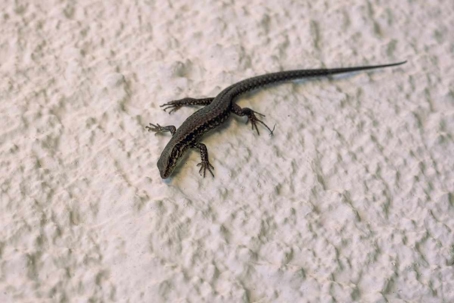
What Do Lizards Eat?
Understanding the diet of lizards is crucial for controlling populations of unwanted pests. Many lizards consume insects, spiders, and other small arthropods, which means they naturally help manage infestations of these pests, and are more likely to be present on properties with significant amounts of their food sources.
Habitat and Environmental Management: If you want to encourage lizards as a natural form of pest control, knowing their dietary preferences helps you create suitable habitats. For example, lizards that feed on specific insects may require areas with leaf litter, logs, or rocks where their prey thrives. Without this knowledge, you might inadvertently create an environment that lizards cannot use effectively.
Humanely Preventing Unwanted Lizard Activity: Knowing what lizards eat allows you to discourage them from residing on your property by removing their potential food sources. Without a reliable food source, lizards will naturally be encouraged to move elsewhere.
Effects of Lizard Removal: If you are uncomfortable with having them on your property, and make an effort to get rid of lizards, knowing what pest populations are likely to increase as a result of their removal allows you to get a head start on reducing unwanted pests.
In pest control scenarios, understanding which lizards consume which pests allows for selective encouragement or discouragement. If a property is overrun with a particular insect, identifying lizard species that naturally feed on it can reduce chemical pesticide use, making control strategies more sustainable and environmentally friendly.
Lizards Eat Insects And Arachnids
Lizards are opportunistic feeders, and as such, the types of arthropods they eat can vary substantially, depending on their species, size, and habitat:
Do Lizards Eat Ants?
Yes, many lizard species eat ants, though their preference varies by species. Small insectivorous lizards, such as anoles and geckos, will often consume ants as part of their diet, especially when other prey is scarce. However, ants are not always the primary food source because some species have chemical defenses that make them less palatable or harder to digest. Larger lizards may eat ants opportunistically but usually prefer larger insects or other arthropods. Understanding which lizards eat ants can help in using them as natural pest control in gardens or around homes.
Do Lizards Eat Beetles?
Yes, many lizards readily eat beetles, as they are a nutrient-rich and easily captured food source. Insectivorous species like skinks, anoles, and geckos often target beetles of various sizes, from small ground beetles to larger flying species. Beetles provide protein, fats, and other nutrients essential for growth and reproduction, making them a preferred prey for lizards in both natural and urban environments. Their consumption also helps reduce beetle populations that could become pests in gardens or homes.
Do Lizards Eat Butterflies?
Yes, some lizards eat butterflies, though they are less common in their diet compared to other insects. Lizards that are active hunters, such as anoles or certain skinks, may catch butterflies when they are slow, resting, or near vegetation. Butterflies are not a staple food because they are agile fliers and often have chemical defenses or bitter-tasting compounds, but when available, they provide a source of protein and energy for opportunistic lizards.
Do Centipedes Eat Centipedes?
Yes, some lizards eat centipedes, but this depends on the lizard species and size. Larger or more aggressive insectivorous lizards, such as skinks, monitor lizards, and certain geckos, may prey on centipedes despite their venomous bites. Centipedes provide a high-protein meal, but because of their speed and defensive capability, lizards often approach cautiously and target smaller or slower individuals.
Do Lizards Eat Cockroaches?
Yes, many lizards eat cockroaches and can be highly effective at controlling them. Species such as geckos, anoles, and skinks actively hunt cockroaches, particularly at night when roaches are most active. Cockroaches provide a rich source of protein and fat, making them a valuable part of a lizard’s diet. In residential or commercial settings, the presence of lizards can naturally reduce cockroach populations, complementing other pest control measures.
Do Lizards Eat Crickets?
Yes, lizards commonly eat crickets, and they are a staple prey for many insectivorous species. Crickets are easy to catch, nutritious, and provide high protein, making them ideal for lizards like geckos, anoles, and skinks. In both wild and captive environments, crickets support lizard growth, energy, and overall health, which is why they are often used in reptile care and natural pest control strategies.
Do Lizards Eat Dragonflies?
Yes, some lizards eat dragonflies, though they are usually opportunistic predators rather than specialized hunters of them. Lizards like anoles, skinks, or larger agamids may catch dragonflies when they are resting, slow, or near vegetation. Because dragonflies are fast fliers, they are not an everyday prey item, but when captured, they provide a high-protein, energy-rich meal for lizards.
Do Lizards Eat Flies?
Yes, many lizards eat flies, as they are abundant and easy to catch. Small insectivorous species, such as geckos, anoles, and skinks, actively hunt flies using quick strikes with their tongues or mouths. Flies provide protein and energy, making them a convenient food source, especially in urban or garden environments where flies are common. Lizards feeding on flies can also help naturally reduce fly populations.
Do Lizards Eat Grasshoppers?
Yes, lizards frequently eat grasshoppers, as they are a substantial and nutritious food source. Insectivorous lizards like anoles, skinks, and agamids actively hunt grasshoppers, which provide high protein and energy for growth, reproduction, and daily activity. Larger lizards can capture bigger grasshoppers, making them a reliable prey item in both natural habitats and areas near human activity. Grasshopper predation by lizards also helps limit potential crop or garden damage.
Do Lizards Eat Harvestmen?
Yes, some lizards eat harvestmen (commonly called daddy longlegs), though they are not a primary food source. Small insectivorous lizards, such as geckos and skinks, may consume harvestmen opportunistically when they are slow-moving or easily caught. Harvestmen provide protein and nutrients, but their consumption depends on availability and the presence of other preferred prey like insects and spiders.
Do Lizards Eat Katydids?
Yes, many lizards eat katydids, particularly insectivorous species such as anoles, geckos, and skinks. Katydids are relatively large and provide a high-protein, energy-rich meal, making them a valuable prey item. Lizards often hunt katydids when they are resting on vegetation or slow-moving, and this predation helps control katydid populations in natural and garden environments.
Do Lizards Eat Mantises?
Yes, some lizards eat mantises, but typically only smaller or juvenile mantises are targeted. Mantises can be aggressive and have strong forelegs for defense, so larger mantises are often avoided by smaller lizard species. Opportunistic insectivorous lizards, such as skinks or anoles, may capture mantises when they are slow or vulnerable, gaining a protein-rich meal that supports growth and energy needs.
Do Lizards Eat Millipedes?
Yes, some lizards eat millipedes, though they are generally less preferred due to the chemical defenses millipedes produce, which can be toxic or irritating. Opportunistic insectivorous lizards like skinks, anoles, and larger geckos may consume small or vulnerable millipedes, often removing or avoiding the most toxic parts. When eaten, millipedes provide protein and nutrients, but their defensive chemicals make them a secondary or occasional prey item.
Do Lizards Eat Moths?
Yes, many lizards eat moths, especially nocturnal species like geckos that hunt at night. Moths are attracted to lights, making them easy prey for lizards in both natural and urban environments. They provide a good source of protein and energy, and their consumption helps control moth populations, which can otherwise damage plants or stored products.
Do Lizards Eat Scorpions?
Yes, some lizards eat scorpions, though this depends on the lizard species and its size. Larger, more robust lizards such as certain geckos, skinks, and monitor lizards can prey on scorpions, often avoiding or quickly neutralizing the sting. Scorpions provide high protein and fats, making them a valuable, though sometimes risky, food source. Lizards’ predation on scorpions can help control local scorpion populations in natural habitats.
Do Lizards Eat Silverfish?
Yes, many small insectivorous lizards eat silverfish. Geckos, anoles, and skinks commonly prey on silverfish, which are slow-moving, nocturnal insects found in damp environments like basements, kitchens, or bathrooms. Silverfish provide a convenient source of protein and help reduce their populations indoors, making lizards effective natural pest controllers in homes.
Do Lizards Eat Spiders?
Yes, many lizards eat spiders and often include them as a regular part of their diet. Small insectivorous species like geckos, anoles, and skinks actively hunt spiders, which are rich in protein and other nutrients. Spiders are especially important in controlling pest populations, so lizards feeding on them contribute to natural ecological balance in gardens, homes, and wild habitats.
Do Lizards Eat Stick Insects?
Yes, some lizards eat stick insects, though they are usually opportunistic predators due to the insects’ size and camouflage. Small or juvenile stick insects may be targeted by insectivorous lizards like geckos, anoles, or skinks when they are exposed or slow-moving. Stick insects provide a protein-rich meal, but because of their large size and defensive behavior, they are less commonly eaten than other insects.
Do Lizards Eat Termites?
Yes, many lizards eat termites and often target them in large numbers when available. Small insectivorous species such as geckos, anoles, and skinks actively forage for termites, which are rich in protein and easy to capture, especially during swarming events. Termite predation by lizards helps naturally control termite populations, reducing the risk of structural damage in buildings and maintaining ecological balance.
Do Lizards Eat Ticks?
Yes, some lizards eat ticks, though they are not a primary food source. Ground-dwelling lizards, such as skinks and certain fence lizards, may consume ticks incidentally while hunting insects among leaf litter or soil. Eating ticks provides a minor protein source and can help reduce tick populations locally, which may indirectly lower the risk of tick-borne diseases in the surrounding environment.
What Animals Do Lizards Eat?
Lizards exhibit a wide range of dietary preferences, and in addition to insects and arachnids, they may consume other animals, depending on their size, habitat, and specific dietary adaptations. Here are some of the animals that lizards might eat:
Do Lizards Eat Birds?
Yes, some larger lizard species can and do eat birds, though this is relatively rare and usually limited to small or nestling birds. Monitor lizards, larger iguanas, and some species of tegus are capable of capturing and consuming birds when the opportunity arises. Birds provide a high-protein, energy-rich meal, but hunting them requires significant size, strength, and stealth, so only the largest and most opportunistic lizards regularly include birds in their diet.
Do Lizards Eat Crustaceans?
Yes, some lizards eat crustaceans, particularly in habitats near water or coastal areas. Species like marine iguanas, certain skinks, and some anoles feed on crabs, shrimp, or small aquatic crustaceans. Crustaceans provide a rich source of protein, minerals, and other nutrients. Lizards that eat them often have adaptations for catching or handling hard-bodied prey, and this diet can be an important part of their ecological role in coastal or riparian ecosystems.
Do Lizards Eat Dead Animals?
Yes, some lizards are opportunistic scavengers and will eat dead animals when available. While most lizards are primarily insectivorous or herbivorous, species like monitor lizards, tegus, and some skinks will consume carrion to obtain protein and nutrients. Scavenging allows these lizards to supplement their diet, especially when live prey is scarce, and it also helps in the natural decomposition process within their ecosystem.
Do Lizards Eat Eggs?
Yes, many lizard species eat eggs, including those of birds, reptiles, and other lizards. Larger or opportunistic species, such as monitor lizards, tegus, and some skinks, will actively seek out nests to consume eggs. Eggs provide a nutrient-rich source of protein, fat, and essential minerals, making them highly valuable food. This behavior can influence local bird or reptile populations, as egg predation directly affects reproductive success.
Do Lizards Eat Fish?
Yes, some lizard species eat fish, though this is limited to those that live near water and are capable hunters. Aquatic or semi-aquatic lizards, such as water monitors and certain skinks, will capture small fish using quick strikes and strong jaws. Fish provide a high-protein, energy-rich food source, making them valuable prey in aquatic environments where lizards can exploit this niche.
Do Lizards Eat Frogs?
Yes, many lizards eat frogs, especially larger or opportunistic species. Monitor lizards, larger skinks, and some geckos will prey on small frogs or tadpoles when available. Frogs provide a high-protein, moisture-rich meal, making them a valuable part of a lizard’s diet in wetland, forest, or garden environments. Predation on frogs also helps regulate amphibian populations locally.
Do Lizards Eat Mollusks?
Yes, some lizards eat mollusks. Species like skinks, certain geckos, and some larger lizards will prey on these slow-moving invertebrates, often using strong jaws or specialized teeth to crush shells. Mollusks provide protein, calcium, and other nutrients, making them an important food source, especially in habitats where other prey may be scarce.
Do Lizards Eat Slugs?
Yes, many lizards eat slugs, especially small to medium-sized insectivorous species like skinks, anoles, and some geckos. Slugs are slow-moving and easy to capture, providing a good source of protein and moisture. Lizards consuming slugs can help reduce slug populations in gardens and natural habitats, contributing to natural pest control.
Do Lizards Eat Snails?
Yes, some lizards eat snails, particularly those with strong jaws or specialized teeth capable of crushing shells. Skinks, certain geckos, and larger lizards will prey on snails to access the soft, protein-rich body inside. Snails provide both nutrition and calcium, making them a valuable food source, especially in habitats where other prey is limited.
Do Lizards Eat Other Reptiles?
Yes, some lizards eat other reptiles, typically smaller lizards or juvenile snakes. Larger and more aggressive species, such as monitor lizards, tegus, and certain iguanas, will opportunistically prey on smaller reptiles when the opportunity arises. This behavior provides a high-protein, energy-rich meal, but it is generally limited to species capable of overpowering their prey. Predation on other reptiles can influence local reptile population dynamics and territorial behavior.
Do Lizards Eat Rodents?
Yes, some larger lizard species eat rodents, though this is limited to species capable of capturing and overpowering them. Rodents provide a high-protein, energy-rich meal that supports growth, reproduction, and overall survival, making them a valuable part of the diet for these opportunistic predators.
Do Lizards Eat Chipmunks?
Yes, very large lizards, such as monitor lizards or large tegus, can eat small mammals like chipmunks, though this is uncommon. Such predation typically occurs opportunistically, targeting young, sick, or slow-moving individuals. Chipmunks provide a high-protein, energy-rich meal, but because of their size, agility, and defensive behavior, only the largest and most capable lizards are able to include them in their diet.
Do Lizards Eat Mice?
Yes, some larger lizard species eat mice, particularly those that are carnivorous or opportunistic predators. Monitor lizards, tegus, and large skinks can capture and consume mice, which provide a high-protein, energy-rich meal. This type of prey is usually targeted when the lizard is large enough to overpower it, and it can play an important role in supporting growth, reproduction, and overall survival.
Do Lizards Eat Rats?
Yes, some large lizards eat rats, especially species like monitor lizards, tegus, and large skinks that are capable of overpowering them. Rats provide a substantial, high-protein, energy-rich meal, making them a valuable prey item for these opportunistic predators. Predation on rats can also help control local rodent populations in natural and human-influenced environments.
Do Lizards Eat Squirrels?
Yes, very large and powerful lizards, such as monitor lizards or large tegus, can eat small squirrels, though this is relatively rare. Such predation is typically opportunistic, targeting young, sick, or slow-moving individuals. Squirrels provide a high-protein, energy-rich meal, but because of their size, agility, and defensive behavior, only the largest lizards are capable of successfully hunting them.
Do Lizards Eat Voles?
Yes, some large lizards can eat voles, though this is uncommon and usually limited to species capable of capturing small mammals. Monitor lizards, tegus, and other sizable carnivorous lizards may prey on voles opportunistically. Voles provide a protein- and fat-rich meal that supports growth and energy needs, but only lizards large enough to overpower them can include them in their diet.
Some Lizards Eat Plants
Lizards that have herbivorous tendencies typically consume a variety of plant material as a significant part of their diet. The specific types of plants lizards eat can vary depending on their species and the vegetation available in their natural habitat. Here are some examples of plants that herbivorous lizards may consume:
- Leaves: Lizards often graze on leaves from a wide range of plant species. These can include the leaves of trees, shrubs, and herbaceous plants. Some lizards, such as iguanas, are particularly known for their leaf-eating habits.
- Flowers: Certain lizard species, like some iguanas, consume flowers as a source of nutrition. Flower nectar can provide sugars and energy.
- Fruits: Many lizards relish ripe fruits, which are a good source of sugars and vitamins. They may eat fruits like berries, figs, and tropical fruits.
- Tender Shoots and Stems: Lizards might consume tender plant shoots and stems. These parts of plants are often softer and more easily digestible.
- Seeds: Some herbivorous lizards will eat seeds, particularly those of grasses and other small plants. Seeds can provide a source of carbohydrates and fats.
- Algae and Moss: Lizards, particularly those living in damp or tropical environments, may consume algae and moss found on rocks, trees, or in water.
- Cactus Pads: Lizards like the desert-dwelling iguana and some tortoises may eat the pads of cactus plants. These pads are water-rich and offer sustenance in arid regions.
- Succulent Plants: Certain species of lizards, like Uromastyx, are adapted to arid environments and feed on succulent plants like agaves and desert-dwelling succulents.
- Aquatic Plants: Lizards that live near water may consume aquatic plants, such as water hyacinths and water lettuce.
Not all lizard species are herbivorous, and their dietary preferences can vary widely. Some are strict herbivores, while others have a more omnivorous diet, including a mix of plant material and animal prey. In captivity, it's crucial to provide herbivorous lizards with a diet that mimics their natural plant-based food sources to ensure they receive the necessary nutrients.