
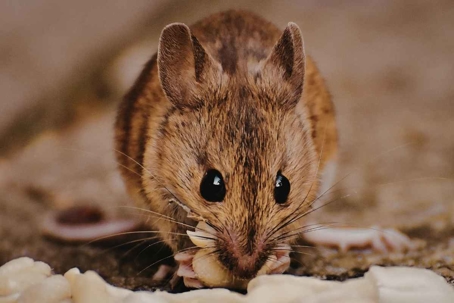
What Do Mice Eat?
Knowing what mice eat is essential for effective control and prevention, because food availability is the primary reason mice enter and remain in a structure. If their preferred food sources are not identified and eliminated, any trapping or baiting program will be far less successful and infestations of these rodents are likely to persist or recur.
Understanding mouse diet allows for proper bait selection and placement. Mice are selective feeders and their preferences change based on season, environment, and competing food sources. Using the wrong bait—or placing it where preferred food is abundant—greatly reduces capture and kill rates.
Diet knowledge helps identify infestation sources and travel patterns. Droppings, gnaw marks, and food damage reveal what mice are feeding on, which in turn points to entry points, nesting areas, and high-activity zones that require targeted treatment.
It plays a critical role in sanitation and exclusion strategies. By knowing what mice eat, property owners and professionals can remove attractants, improve food storage practices, and modify environments to make them less hospitable, which is the foundation of long-term rodent control.
Understanding feeding behavior supports health and safety protection. Mice contaminate food, surfaces, and packaging with urine, feces, and hair. Recognizing which foods are at highest risk allows for better protection of kitchens, pantries, food processing areas, and commercial facilities.
Dietary insight helps reduce structural and property damage. Mice will gnaw to access food, damaging walls, wiring, insulation, and packaging. Eliminating food motivation reduces destructive behavior and associated repair costs.
It improves decision-making in integrated pest management (IPM) programs. Accurate knowledge of what mice eat allows professionals to combine sanitation, exclusion, monitoring, and control methods in a coordinated, evidence-based approach rather than relying on reactive measures.
Understanding what mice eat shifts control efforts from short-term fixes to sustainable, long-term prevention, which is more cost-effective, safer, and more reliable for both residential and commercial environments.
What Mice Eat
Mice are omnivorous rodents with a diverse diet that can vary based on their environment and availability of food. Their natural diet includes seeds, grains, fruits, and vegetation, but they are opportunistic feeders and will consume a wide range of food items. Here is what mice eat:
- Seeds and Grains: Mice have a particular fondness for seeds and grains, such as sunflower seeds, wheat, oats, and corn. These foods are high in carbohydrates and provide them with essential energy.
- Fruits and Vegetables: Mice enjoy a variety of fruits and vegetables, including apples, bananas, carrots, and broccoli. These foods offer vitamins and minerals essential for their nutrition.
- Insects and Small Invertebrates: In the wild, mice often consume insects, larvae, and small invertebrates. These protein-rich sources are crucial for their survival and growth.
- Nuts: Nuts like almonds and peanuts are another source of protein and fat that mice may consume if available. Mice will also eat acorns.
- Nectar and Honey: Some species of mice have a sweet tooth and consume nectar and honey when they can find it.
- Fungi and Plants: Mice may also consume fungi and various parts of plants, including leaves, stems, and roots.
- Bird Eggs and Nestlings: In certain circumstances, mice may raid bird nests to eat eggs and nestlings.
- Carrion: Although less common, mice may scavenge on dead animals when other food sources are scarce.
- Human Food: In urban areas, mice are known to scavenge human food, such as leftovers and crumbs. This can make them a nuisance in homes and businesses.
While mice can adapt to a wide range of foods, their nutritional needs can be best met through a balanced diet that includes grains, fruits, and protein sources. When dealing with mice as pests, it's essential to take measures to prevent their access to food, as they can contaminate and damage food stores, as well as transmit diseases.
What Do Mice Eat In The Attic?
Mice nesting in your attic will primarily forage for food in and around the attic space. Their diet is diverse, and they'll consume what's available. Here are some common food sources that mice may be eating if they are nesting in your attic:
- Ingress from Other Areas: Mice often travel in and out of the attic to find food sources in other parts of your home or outside, returning to the attic to nest.
- Insects: Mice are opportunistic hunters and will catch and eat insects that are also present in the attic.
- Stored Items: If you use your attic for storage, mice may chew through boxes or containers, especially if there are any food items like grains, seeds, pet food, or any other stored food products.
To address a mouse infestation in your attic, it's crucial to not only remove the mice but also to eliminate their access to food sources. This involves sealing any openings that allow them to enter, storing food securely, and keeping the attic clean and free of clutter that can provide hiding spots. Additionally, using traps and, in some cases, consulting with our pest control professionals may be necessary to effectively control the infestation.
Mice Eat Seeds & Grains
Mice are most likely to eat high-energy, carbohydrate-dense seeds and grains, especially those that are small, dry, and easy to transport back to nesting sites. These foods closely match their natural foraging behavior and nutritional needs. This is why seed-based baits are so effective when competing food sources are reduced or eliminated:
Do Mice Eat Barley?
Yes, mice eat barley. They are attracted to its high carbohydrate and moderate protein content, making it a nutritious and energy-rich food source. Mice will consume whole, cracked, or processed barley, often targeting stored grains, pet food, and agricultural feed, and may also hoard it in nests.
Do Mice Eat Corn?
Yes, mice eat corn. They are attracted to its high starch and sugar content, making it a highly nutritious and energy-rich food source. Mice will consume fresh, dried, or stored corn, often gnawing through kernels and husks and sometimes hoarding them in nests.
Do Mice Eat Flaxseed?
Yes, mice eat flaxseed. They are attracted to its high fat and protein content, which provides a concentrated energy source. Mice will consume flaxseeds from birdseed mixes, stored pantry items, or spilled seeds, and may hoard them in nests for later use.
Do Mice Eat Oats?
Yes, mice eat oats. They are attracted to the high carbohydrate and moderate protein content, which provides a good energy source. Mice will consume whole oat groats, rolled oats, and oatmeal, often targeting stored cereals, pet food, and pantry items, and may also hoard them in nests.
Do Mice Eat Pumpkin Seeds?
Yes, mice eat pumpkin seeds. They are attracted to the seeds’ high fat and protein content, making them a valuable energy source. Mice will consume seeds from fresh pumpkins, dried pumpkin seeds, or birdseed mixes, and often store them in nests for later consumption.
Do Mice Eat Rice?
Yes, mice eat rice. They are attracted to its high carbohydrate content and easily digestible starches. Mice will consume both uncooked and cooked rice, often targeting stored grains in pantries, kitchens, and feed areas, and may hoard it in nests for later consumption.
Do Mice Eat Sesame Seeds?
Yes, mice eat sesame seeds. They are attracted to the seeds’ high fat and protein content, making them a nutritious and energy-dense food source. Mice will consume sesame seeds from stored foods, birdseed mixes, or spilled items, often hoarding them in nests for later use.
Do Mice Eat Sorghum?
Yes, mice eat sorghum. They are attracted to its high carbohydrate content and easily digestible starches, making it an energy-rich food source. Mice will consume whole, cracked, or processed sorghum, often targeting stored grains, feed, and pantry items, and may hoard it in nests for later use.
Do Mice Eat Sunflower Seeds?
Yes, mice readily eat sunflower seeds. They are highly attracted to the seeds’ high fat and protein content, making them a preferred food in gardens, bird feeders, and storage areas. Mice will gnaw through shells to access the kernels and often hoard them in nests for later consumption.
Do Mice Eat Wheat?
Yes, mice eat wheat. They are attracted to its high carbohydrate content and easy digestibility. Mice will consume whole wheat kernels, cracked wheat, and processed wheat products, often targeting stored grains in pantries, silos, or feed areas, and may also hoard it in nests for later use.
Do Mice Eat Nuts?
Mice are highly attracted to nuts that are high in fat, protein, and calories, as these provide concentrated energy for foraging, nesting, and reproduction. Hard shells are not a barrier for their strong incisors. Nuts are highly effective baits, and their presence can sustain or increase mouse populations if not secured:
Do Mice Eat Acorns?
Yes, mice eat acorns. They are attracted to the high fat, protein, and carbohydrate content of the nuts, making them an important energy source, especially in fall and winter. Mice will gnaw through the hard shells to access the kernels and often store acorns in nests or caches for later consumption.
Do Mice Eat Almonds?
Yes, mice eat almonds. They are attracted to the nuts’ high fat and protein content, which provides concentrated energy. Mice will gnaw through the shells of whole almonds or consume shelled almonds, often storing them in nests for later use.
Do Mice Eat Brazil Nuts?
Yes, mice eat Brazil nuts. They are attracted to the nuts’ high fat and protein content, which makes them a nutrient-dense food source. Mice will gnaw through the hard shells or consume shelled nuts and may store them in nests for later use.
Do Mice Eat Cashews?
Yes, mice eat cashews. They are attracted to the nuts’ high fat and protein content, which provides a concentrated energy source. Mice will consume cashews from stored foods, pantries, or birdseed mixes, and may hoard them in nests for later use.
Do Mice Eat Hazelnuts?
Yes, mice eat hazelnuts (filberts). They are attracted to the high fat and protein content of the nuts, which provides a concentrated energy source. Mice will gnaw through the shells to access the kernels and often store them in nests for later use.
Do Mice Eat Macadamia Nuts?
Yes, mice eat macadamia nuts. They are attracted to the high fat and protein content, making them an energy-rich food source. Mice will gnaw through the shells or consume shelled nuts and may hoard them in nests for later consumption.
Do Mice Eat Peanuts?
Yes, mice eat peanuts. They are highly attracted to the nuts’ high fat and protein content, making them a concentrated energy source. Mice will consume both shelled and unshelled peanuts and often store them in nests for later use.
Do Mice Eat Pecans?
Yes, mice eat pecans. They are attracted to the nuts’ high fat and protein content, making them an energy-rich food source. Mice will gnaw through the shells to access the kernels and often store pecans in nests for later consumption.
Do Mice Eat Pine Nuts?
Yes, mice eat pine nuts. They are attracted to the nuts’ high fat and protein content, making them a concentrated energy source. Mice will consume pine nuts from cones, stored seeds, or birdseed mixes, and often hoard them in nests for later use.
Do Mice Eat Walnuts?
Yes, mice eat walnuts. They are attracted to the nuts’ high fat and protein content, making them an energy-rich food source. Mice will gnaw through the shells to access the kernels and often store walnuts in nests for later consumption.
Do Mice Eat Fruit?
Mice are most likely to eat fruits that are high in sugar, moisture, and aroma, especially when those fruits are soft, ripe, or damaged. These characteristics make fruit an attractive and easily digestible food source. Outdoor fruit trees, compost piles, and unsecured produce storage can sustain mouse populations and undermine control efforts if not addressed:
Do Mice Eat Apples?
Yes, mice eat apples. They are attracted to the fruit’s high sugar content, moisture, and aroma. Mice will nibble on both fresh and fallen apples, often consuming the flesh, cores, and peels, and may store small pieces in nests for later use.
Do Mice Eat Bananas?
Yes, mice eat bananas. They are drawn to the fruit’s high sugar content, soft texture, and strong aroma. Mice will consume both fresh and overripe bananas, often nibbling on small pieces or scraping the flesh for easy access.
Do Mice Eat Blackberries?
Yes, mice eat blackberries. They are attracted to the fruit’s high sugar content, soft texture, and strong aroma. Mice will nibble on fresh, ripe, or fallen blackberries, often feeding in gardens, wild areas, or near fruiting bushes, and may carry small pieces back to nests for later consumption.
Do Mice Eat Blueberries?
Yes, mice eat blueberries. They are attracted to the fruit’s high sugar content, soft texture, and moisture. Mice will consume fresh, ripe, or fallen blueberries in gardens, wild areas, or stored produce, and may carry them to nests for later use.
Do Mice Eat Cantaloupe?
Yes, mice eat cantaloupe. They are attracted to the fruit’s high sugar content, soft flesh, and high moisture. Mice will nibble on fresh or fallen cantaloupe in gardens or storage areas and may carry small pieces back to nests for later consumption.
Do Mice Eat Dates?
Yes, mice eat dates. They are attracted to the fruit’s high sugar content, soft texture, and concentrated energy. Mice will consume fresh or dried dates in pantries, kitchens, or storage areas and may hoard them in nests for later use.
Do Mice Eat Figs?
Yes, mice eat figs. They are attracted to the fruit’s high sugar content, soft texture, and strong aroma. Mice will consume fresh or dried figs in gardens, orchards, or storage areas and may carry portions back to nests for later consumption.
Do Mice Eat Grapes?
Yes, mice eat grapes. They are attracted to the fruit’s high sugar content, moisture, and soft texture. Mice will consume fresh or fallen grapes, often feeding in gardens, vineyards, or stored produce, and may carry small pieces to nests for later consumption.
Do Mice Eat Honeydew?
Yes, mice eat honeydew. They are attracted to its high sugar content, soft texture, and high moisture. Mice will nibble on fresh or fallen honeydew in gardens or storage areas and may carry small portions back to nests for later use.
Do Mice Eat Lemons?
Yes, mice can eat lemons, but they generally avoid them due to the strong acidic taste and bitter compounds in the peel and pulp. They may nibble on small amounts if other food sources are scarce, but lemons are not a preferred food.
Do Mice Eat Limes?
Yes, mice can eat limes, but like lemons, they generally avoid them because of the strong acidity and bitter taste. They may nibble small amounts if other food is scarce, but limes are not a preferred or common food source for mice.
Do Mice Eat Nectarines?
Yes, mice eat nectarines. They are attracted to the fruit’s high sugar content, soft texture, and strong aroma. Mice will nibble on fresh, ripe, or fallen nectarines in gardens or orchards and may carry small portions to nests for later use.
Do Mice Eat Oranges?
Yes, mice can eat oranges, but they usually avoid them due to the fruit’s strong acidity and bitter compounds in the peel and pulp. They may nibble on small amounts if other food sources are limited, but oranges are not a preferred or primary food for mice.
Do Mice Eat Peaches?
Yes, mice eat peaches. They are attracted to the fruit’s high sugar content, soft flesh, and strong aroma. Mice will nibble on fresh, ripe, or fallen peaches in gardens or orchards and may carry portions to nests for later consumption.
Do Mice Eat Pears?
Yes, mice eat pears. They are attracted to the fruit’s high sugar content, soft texture, and moisture. Mice will nibble on fresh, ripe, or fallen pears in gardens or orchards and may carry pieces back to nests for later consumption.
Do Mice Eat Plums?
Yes, mice eat plums. They are attracted to the fruit’s high sugar content, soft texture, and strong aroma. Mice will nibble on fresh, ripe, or fallen plums in gardens or orchards and may carry small pieces back to nests for later consumption.
Do Mice Eat Raisins?
Yes, mice eat raisins. They are attracted to the fruit’s high sugar content and soft, chewy texture, which makes them easy to consume and digest. Raisins are particularly appealing in pantries, kitchens, and storage areas, and mice may hoard them for later use.
Do Mice Eat Raspberries?
Yes, mice eat raspberries. They are attracted to the fruit’s high sugar content, soft texture, and strong aroma. Mice will consume fresh, ripe, or fallen raspberries in gardens or wild areas and may carry small portions back to nests for later use.
Do Mice Eat Strawberries?
Yes, mice eat strawberries. They are attracted to the fruit’s high sugar content, soft texture, and strong aroma. Mice will nibble on fresh or damaged strawberries, often targeting gardens, fruit patches, and stored produce, and may carry small pieces back to nests for later consumption.
Do Mice Eat Tomatoes?
Yes, mice eat tomatoes. They are attracted to the fruit’s moisture and natural sugars, particularly when the tomatoes are ripe, soft, or damaged. Mice will nibble on fresh tomatoes in gardens or stored produce and may carry small portions back to nests for later consumption.
Do Mice Eat Watermelon?
Yes, mice eat watermelon. They are attracted to the fruit’s high sugar content, soft texture, and high moisture. Mice will nibble on fresh or fallen watermelon in gardens or storage areas and may carry small pieces back to nests for later consumption.
Do Mice Eat Vegetables?
Mice are most likely to eat vegetables that are high in carbohydrates, natural sugars, and moisture, particularly those that are soft, young, or damaged. These traits make vegetables easier to chew and more nutritionally rewarding. Gardens, produce storage areas, and compost bins near structures can sustain mouse populations and reduce the effectiveness of trapping and baiting unless these food sources are managed:
Do Mice Eat Carrots?
Yes, mice eat carrots. They are attracted to the natural sugars and moisture in the roots, making them an appealing and easily digestible food source. Mice will nibble on both fresh and stored carrots, often leaving characteristic gnaw marks.
Do Mice Eat Garlic?
Mice generally avoid garlic. The strong odor and pungent compounds make it unappealing as a food source. They may nibble on garlic only if no other food is available, but it is not a preferred or common part of their diet.
Do Mice Eat Green Beans?
Yes, mice eat green beans. They are attracted to the moisture and carbohydrate content, particularly in fresh or tender beans. Mice will nibble on pods and seeds in gardens, kitchens, or storage areas, and may carry pieces back to nests for later consumption.
Do Mice Eat Kale?
Yes, mice eat kale. They are attracted to its moisture and nutrients, particularly when the leaves are fresh and tender. While not as highly preferred as seeds, grains, or sugary fruits, mice will nibble on kale in gardens or storage areas and may carry small pieces back to nests for later consumption.
Do Mice Eat Lettuce?
Yes, mice eat lettuce. They are attracted to its moisture and soft texture, especially when the leaves are fresh and tender. Mice will nibble on lettuce in gardens, kitchens, or storage areas, though it is less preferred than starchy or high-sugar foods, and may carry small pieces back to nests for later use.
Do Mice Eat Onions?
Mice generally avoid onions. The strong odor and pungent compounds make them unappealing as a food source. They may nibble on onions only if no other food is available, but onions are not a preferred or common part of a mouse’s diet.
Do Mice Eat Peas?
Yes, mice eat peas. They are attracted to both fresh and dried peas because of their carbohydrate and protein content. Mice will nibble on pods, seeds, and stored dried peas, often carrying them back to nests or hoarding them for later consumption.
Do Mice Eat Potatoes?
Yes, mice eat potatoes. They are attracted to the starchy flesh and moisture, particularly when potatoes are sprouting, damaged, or stored improperly. Mice will gnaw into whole or partially peeled potatoes and may carry small pieces back to nests for later consumption.
Do Mice Eat Pumpkins?
Yes, mice eat pumpkins. They are attracted to both the flesh and seeds, which provide moisture, carbohydrates, and fat. Mice will nibble on fresh, ripe, or fallen pumpkins in gardens or storage areas and often hoard the seeds in nests for later consumption.
Do Mice Eat Spinach?
Yes, mice eat spinach. They are attracted to its moisture and nutrient content, especially when the leaves are fresh and tender. While not as highly preferred as seeds, grains, or sugary fruits, mice will nibble on spinach in gardens or storage areas and may carry small pieces back to nests for later consumption.
Do Mice Eat Squash?
Yes, mice eat squash. They are attracted to the flesh and seeds, which provide moisture, carbohydrates, and fat. Mice will nibble on fresh, ripe, or damaged squash in gardens or storage areas and often target the seeds for hoarding in nests.
Do Mice Eat Honey?
Yes, mice will eat honey. They are attracted to its high sugar content, which provides a concentrated source of energy. While they cannot access large amounts easily, they will lick or nibble at exposed honey, spilled honey, or honey-based foods. Honey is especially appealing in environments where other food sources are scarce or when used in baits for trapping.
Do Mice Eat Insects?
Insect consumption highlights why clutter, moisture, and existing insect infestations can indirectly support mouse populations. Mice are opportunistic omnivores and will readily eat insects and other arthropods, especially when plant-based foods are limited or when protein is needed for growth, reproduction, or survival. Reducing insect activity and harborage is an important but often overlooked component of effective rodent control:
Do Mice Eat Ants?
Yes, mice will eat ants. While ants are not a primary food source, they provide protein and are consumed opportunistically, especially when other foods are scarce. Mice may eat both adult ants and ant larvae, often targeting ant trails or nests they encounter in indoor and outdoor environments.
Do Mice Eat Beetles?
Yes, mice eat beetles and their grubs. They are opportunistic feeders and will consume both adult beetles and larvae as a source of protein. Beetles and grubs are particularly attractive when other food sources are limited or when they are easily accessible in gardens, stored grains, or other habitats.
Do Mice Eat Centipedes?
Yes, mice can eat centipedes, but it is uncommon. Centipedes are venomous, which makes them less preferred compared to seeds, grains, fruits, or softer insects. Mice may consume centipedes opportunistically if other food sources are scarce.
Do Mice Eat Crickets?
Yes, mice eat crickets. They are opportunistic feeders and are attracted to crickets for their high protein content. Mice will actively hunt or scavenge crickets in gardens, basements, garages, or other areas where crickets are present, especially when other preferred foods are limited.
Do Mice Eat Cockroaches?
Yes, mice eat cockroaches. They are opportunistic feeders and will consume both adult cockroaches and nymphs as a source of protein. Cockroaches are particularly targeted in warm, cluttered indoor environments where they are abundant and easily accessible.
Do Mice Eat Earthworms?
Yes, mice eat earthworms. They are opportunistic feeders and are attracted to earthworms for their protein and moisture content. Mice will consume earthworms when they encounter them in soil, gardens, or damp environments, particularly after rainfall when worms are exposed.
Do Mice Eat Grasshoppers?
Yes, mice eat grasshoppers. They are opportunistic feeders and are attracted to them for their high protein content. Mice will actively hunt or scavenge grasshoppers in gardens, fields, or other outdoor areas, especially when other preferred foods are scarce.
Do Mice Eat Millipedes?
Mice can eat millipedes, but it is uncommon. Millipedes produce defensive chemicals that make them unpalatable, so mice generally avoid them. They may consume millipedes opportunistically if other food sources are scarce or if the millipede is injured or easily accessible.
Do Mice Eat Moths?
Yes, mice eat moths. They are opportunistic feeders and will consume moths, including both adults and larvae, as a source of protein. Moths are more likely to be eaten when other preferred foods are scarce or when moths are easily accessible indoors or near light sources at night.
Do Mice Eat Spiders?
Yes, mice do eat spiders. They are opportunistic omnivores and will consume spiders when they encounter them, especially in areas where other food sources are limited. Spiders provide a source of protein, and mice will readily eat both web-building and ground-dwelling species. While not a primary food item, spiders are part of the wide range of insects and arthropods that mice may consume in natural and indoor environments.
Do Mice Eat Human Foods?
Mice are opportunistic feeders and will consume a wide range of human foods, prioritizing items that are high in sugar, fat, starch, or protein because these provide concentrated energy for survival and reproduction. Securing all human foods in airtight containers, reducing crumbs, and cleaning up spills immediately are essential steps in limiting mouse access and preventing infestation:
Do Mice Eat Bread?
Yes, mice eat bread. They are attracted to its high carbohydrate content and soft texture, which makes it easy to gnaw and consume. Bread crumbs, stale pieces, and even packaged bread in pantries are all targeted by mice as a convenient and energy-rich food source.
Do Mice Eat Candy?
Yes, mice eat candy. They are attracted to the high sugar content, which provides a concentrated energy source. Mice will nibble on hard candies, gummies, or other sweets if accessible in kitchens, pantries, or storage areas, and may carry small pieces back to nests for later consumption.
Do Mice Eat Cereal?
Yes, mice eat cereal. They are attracted to the high carbohydrate and sugar content, which provides a quick energy source. Mice will consume both whole grains and processed cereals, often targeting pantries, kitchens, and storage areas, and may carry portions back to nests for later consumption.
Do Mice Eat Cheese?
Yes, mice eat cheese. They are attracted to its fat and protein content, making it a concentrated energy source. Mice will nibble on soft or hard cheeses, particularly if left uncovered in kitchens, pantries, or storage areas, and may carry small pieces back to nests for later consumption.
Do Mice Eat Chocolate?
Yes, mice eat chocolate. They are attracted to its sugar and fat content, which provides a high-energy food source. Mice will nibble on chocolate bars, chips, or baked goods, especially in kitchens, pantries, or areas where crumbs and spills are accessible.
Do Mice Eat Crackers?
Yes, mice eat crackers. They are attracted to the high carbohydrate content and easy-to-chew texture. Mice will nibble on crackers in kitchens, pantries, or storage areas, and may carry pieces back to nests for later consumption.
Do Mice Eat Pasta?
Yes, mice eat pasta. They are attracted to its carbohydrate content, which provides a quick energy source. Mice will consume both dry and cooked pasta, particularly when it is accessible in kitchens, pantries, or storage areas, and may carry portions back to nests for later consumption.
Do Mice Eat Pet Food?
Mice are opportunistic feeders with a very broad diet, so they will readily eat a variety of foods. Mice are highly motivated by both aroma and texture. Protein-rich, fatty, or highly aromatic foods are generally more attractive than plain grains, but they will consume almost anything edible if hungry. Any pet food that is spilled or left accessible is likely to be eaten by mice. Their small size allows them to exploit even partially opened bags:
Do Mice Eat Birdseed?
Yes, mice eat birdseed. They are highly attracted to the mixture of seeds, grains, and nuts, especially sunflower seeds, millet, and cracked corn. Birdseed provides concentrated calories and protein, making it a prime food source, and mice will often gnaw into feeders or spilled seed and hoard it in nests.
Do Mice Eat Cat Food?
Yes, mice eat cat food. They are attracted to its high protein and fat content, which provides a concentrated energy source. Mice will consume dry kibble, wet canned food, or spilled portions, often targeting pet food left accessible in kitchens, garages, or storage areas, and may hoard it in nests for later use.
Do Mice Eat Dog Food?
Yes, mice eat dog food. They are attracted to its protein and fat content, which provides a high-energy food source. Mice will consume dry kibble, wet canned food, or spilled portions, often targeting pet food left accessible in kitchens, garages, or storage areas, and may hoard it in nests for later use.
Do Mice Eat Fish Food?
Yes, mice eat fish food. They are attracted to its protein, fat, and carbohydrate content, which provides a concentrated energy source. Mice will consume both dry flakes and pellets if accessible in aquariums, storage containers, or spilled areas, and may carry it back to nests for later consumption.
Do Mice Eat Meat?
Mice are opportunistic omnivores, so they will eat meat when it is available, especially if it is high in protein and fat. Here are some of the types of meat mice are most likely to consume:
Cooked or raw meat scraps – Leftovers from poultry, beef, pork, or fish are attractive because they are easy to chew and rich in nutrients. Mice are not picky about the type of meat if it is accessible.
High-fat meats – Meats with higher fat content, such as bacon, sausage, or fatty cuts of pork, are particularly enticing because fat provides concentrated energy.
Processed meats – Ham, hot dogs, deli meats, and jerky can attract mice due to their strong smell, salt content, and softness, which makes them easier to gnaw.
Fish – Both fresh and dried fish are attractive to mice because of the strong odor and high protein content.
Mice are drawn more by smell and accessibility than by meat type. Strong-smelling, soft, or easily accessible meat will be consumed first. Storing meat in sealed containers or the refrigerator/freezer is crucial to prevent attracting mice.
Do Mice Eat Fungi?
Yes, mice eat fungi. They are attracted to mushrooms, molds, and other fungal growths, especially those that are soft, nutrient-rich, and easily accessible. Fungi provide mice with moisture, carbohydrates, and some protein, making them a valuable supplemental food source in natural and damp environments.
How Often Do Mice Eat?
Mice have very high metabolisms, which means they need to eat frequently to survive:
Feeding frequency – Wild and domestic mice typically eat every 2–4 hours. They take small amounts of food repeatedly throughout the day and night rather than consuming large meals at once.
Daily intake – An adult mouse usually consumes 3–4 grams of food per day, which is roughly 10–15% of its body weight. This may vary depending on age, sex, and activity level.
Water intake – In addition to food, mice require water, though they can obtain some moisture from food. They typically drink 1–2 mL of water per day.
Feeding patterns – Mice are primarily nocturnal, so most of their eating occurs at night, but they will also feed during the day if food is available.
Impact on infestations – Because mice feed so frequently, even small amounts of accessible food can sustain a population and attract more mice quickly.
This frequent feeding habit is why keeping pet food tightly sealed and cleaning up spills immediately is critical in preventing infestations.
Are Mice Cannibals?
Mice are not naturally cannibalistic, but they may exhibit cannibalism under extreme conditions. This usually occurs when food is scarce, populations are overcrowded, or environmental stress is high. Adults may consume dead or weakened mice, and stressed or inexperienced females may eat pups. In normal environments with adequate food, cannibalism is rare and not a typical behavior.
Learn more: What Do Field Mice Eat? || What Do House Mice Eat?