
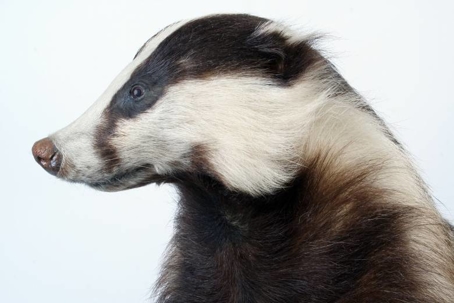
What Do Badgers Eat?
Understanding a badger’s diet helps predict its movements, preferred habitats, and the seasons when it’s most active in certain areas. This is essential for accurately assessing where badgers are likely to appear or establish setts.
Knowing what badgers eat allows you to identify food sources that might be attracting them to properties, farmland, or livestock areas. This makes it easier to remove attractants, adjust land-use practices, or reduce human–wildlife conflicts.
For those managing property, wildlife, or pest-related issues, understanding their food preferences informs more targeted, humane, and effective mitigation strategies.
What Badgers Eat
Badgers are omnivorous mammals with a varied diet that can include plant matter, invertebrates, and small vertebrates. Their diet may vary based on their specific habitat and what's available to them, but here's what badgers typically eat:
- Invertebrates: Badgers are skilled diggers and often feed on a variety of invertebrates. They have strong claws and a keen sense of smell, which helps them locate these hidden delicacies.
- Small Vertebrates: Badgers are opportunistic predators and may prey on small vertebrates when the opportunity arises.
- Bird Eggs: In addition to small vertebrates, badgers are known to raid bird nests for eggs. They use their sharp claws to break open the eggs and consume the contents.
- Fruits and Vegetation: While invertebrates and small vertebrates make up a significant portion of their diet, badgers also consume plant matter, including fruits, berries, and roots. This becomes more prominent in their diet during times when animal prey is less abundant.
- Carrion: Badgers are scavengers and may feed on carrion, including the remains of larger animals that they did not hunt themselves.
- Fungi: Some badger species, like the European badger, may eat fungi, particularly mushrooms, as a minor part of their diet.
- Amphibians and reptiles: On occasion, badgers may prey on amphibians and reptiles, such as frogs, toads, and small snakes.
- Fish: In regions with access to water bodies, badgers have been observed catching and eating fish.
Badger diets can vary based on the specific species of badger and the availability of food in their habitat. Additionally, badgers are known for their ability to cache food, which means they may store surplus food in underground burrows for later consumption. This behavior allows them to have a steady source of nutrition during times when food is scarce.
Do Badgers Eat Insects?
Earthworms: Although not insects, they are the dominant invertebrate in a badger’s diet and often make up the majority of their animal-based intake.
Beetles (Adult Beetles): Ground beetles, dung beetles, and various woodland beetles are frequently consumed during nighttime foraging.
Beetle Larvae (Grubs): Badgers dig into soil, rotting logs, and turf to extract large, nutrient-dense larvae such as chafer grubs.
Wasps: They actively raid wasp nests, consuming both adult wasps and developing brood. Badgers tolerate stings surprisingly well.
Bees: Similar to wasps, they dig out bumblebee nests to feed on larvae, pupae, and honey stores.
Ants: They take ant larvae and pupae by breaking into anthills, especially in dry periods when other prey is less available.
Cranefly Larvae (Leatherjackets): Found in damp grasslands and lawns, these soft-bodied larvae are a valued seasonal food source.
Woodlice: Though not insects, they are commonly eaten while foraging under logs, stones, and leaf litter.
Caterpillars: Larger, ground-dwelling species are occasionally taken when encountered in leaf litter or on low vegetation.
Earwigs and Other Small Ground Invertebrates: They form part of the incidental prey badgers eat while rooting through soil, moss, and undergrowth.
Do Badgers Eat Animals?
Yes, badgers are omnivorous, meaning they eat both plants and animals, though their diet depends on the species and local availability of food. Many badgers primarily consume small animals, insects, and other invertebrates.
American badgers (Taxidea taxus) are more carnivorous and rely heavily on small mammals such as ground squirrels, mice, moles, and occasionally rabbits. They dig extensively to capture burrowing prey.
So while badgers do eat animals, they are opportunistic feeders and often have a mixed diet rather than being strictly predators.
Do Badgers Eat Birds?
Badgers do occasionally eat birds, but it’s not a major part of their diet. They are more likely to take eggs, nestlings, or ground-nesting birds when the opportunity arises rather than actively hunting healthy adult birds. Most bird consumption happens incidentally while foraging, as badgers typically rely more on earthworms, insects, and seasonal fruits for their primary food sources.
Do Badgers Eat Meat?
Yes, badgers do eat meat as part of their diet. They are omnivorous animals, which means they have a varied diet that includes both plant and animal matter. While they primarily consume invertebrates such as earthworms, beetles, and grubs, they are also opportunistic predators and will feed on small vertebrates like rodents, rabbits, and ground-nesting birds when the opportunity arises.
Badgers are known for their digging abilities and their keen sense of smell, which helps them locate and capture their prey. They are particularly skilled at catching ground-dwelling animals. In addition to small vertebrates, badgers may also consume bird eggs and carrion (the remains of dead animals).
Their diet can vary depending on the availability of food in their habitat, and they may consume more plant matter, such as fruits and roots, when animal prey is less abundant. This flexibility in their diet allows badgers to adapt to a wide range of environmental conditions and food sources.
Do Badgers Eat Eggs?
Yes, badgers are known to eat eggs. While they primarily consume invertebrates and small vertebrates, badgers are opportunistic feeders, and bird eggs are among the items they may consume when the opportunity arises. Badgers are skilled diggers and can uncover bird nests or ground-nesting bird eggs.
They use their strong claws to access the eggs, break them open, and consume the contents. This behavior is more common during the breeding seasons of ground-nesting birds, as badgers search for additional sources of food. While bird eggs are not a primary part of their diet, they are one of the many food items that badgers may include in their omnivorous diet.
Do Badgers Eat Moles?
Yes, badgers do eat moles. Badgers are opportunistic predators and will consume small vertebrates when the opportunity arises. Moles are small, burrowing mammals that share a habitat with badgers. Badgers are adept at digging and can locate and capture moles in their burrows.
Badgers use their strong claws and keen sense of smell to uncover and catch moles in their tunnels. Moles are a source of animal protein and may be considered part of the badger's diet when they can access them. However, it's important to note that while moles can be a food source for badgers, they are not the primary or exclusive prey of badgers, and badgers have a more diverse diet that includes a wide range of invertebrates, small vertebrates, plants, and other food items.
Do Badgers Eat Rabbits?
Badgers can and do eat rabbits, but usually only when the opportunity is easy. They are not efficient chasers, so they rarely pursue healthy adult rabbits. Instead, they take young rabbits in burrows, injured individuals, or carcasses they come across while foraging. Overall, rabbits are a secondary and opportunistic food source rather than a staple in the badger’s diet.
Do Badgers Eat Rodents?
Badgers can feed on a variety of rodents. Here are the rodents they are most likely to eat:
Voles: These are among the most commonly taken small mammals, especially field voles, which are abundant in grassland and hedgerow habitats.
Mice: Badgers opportunistically consume field mice and house mice when encountered during rooting or while raiding nests.
Rats: Although less preferred, badgers will take young or weakened rats, and occasionally scavenge adult rat carcasses.
Shrews: Not true rodents but often grouped with these small mammals; badgers may eat them incidentally while foraging through dense vegetation or leaf litter.
Squirrels (Rare and Opportunistic): Badgers are unlikely to catch healthy squirrels, but they may scavenge juveniles or fallen individuals when the opportunity arises.
Do Badgers Eat Plants?
Yes, badgers do eat plants as part of their diet, but plant material is typically a minor component of their overall food intake. Badgers are omnivores, which means they have a varied diet that includes both plant and animal matter. While they primarily feed on invertebrates (such as earthworms, beetles, and grubs) and small vertebrates (like rodents and bird eggs), they are also opportunistic consumers of vegetation.
Badgers are opportunistic feeders, but when it comes to plant material, they tend to favor soft, energy-rich options that are easy to dig up or forage. Fruits and berries are among their top choices, especially in late summer and autumn when these foods are abundant.
They commonly consume blackberries, raspberries, strawberries, apples, plums, and other fallen orchard fruits. These offer quick calories and require very little effort to access, making them a seasonal staple.
Roots and bulbs also feature in their diet. Badgers will dig for foods such as bluebell bulbs, crocus bulbs, and other tender underground plant parts when invertebrate food sources are limited.
They occasionally feed on cereals if they find accessible patches—wheat, oats, and corn can be taken, particularly when grains are soft and palatable. They rarely cause broad agricultural damage, but local feeding does occur.
They may also eat nuts when available, including acorns, beech mast, and hazelnuts, though these are often secondary to insects and fruits. Their plant consumption varies by season, habitat, and food abundance, but overall it complements their primarily insect-heavy diet.
While plant matter is not the primary focus of a badger's diet, they do incorporate it into their feeding habits, particularly when animal food sources are less available. Their dietary flexibility allows them to adapt to changing environmental conditions and food availability.
Do Badgers Eat Fruit?
Yes, badgers do eat fruit as part of their diet. While they are primarily carnivorous and feed on invertebrates, small vertebrates, and other animal matter, they are also opportunistic omnivores and will consume plant matter when it's available:
Blackberries: These are among the most frequently consumed fruits by badgers. They forage heavily in bramble patches during late summer and early autumn when the berries are abundant and energy-rich.
Apples: Windfall apples are a common autumn food source. Badgers will visit orchards or feed beneath isolated apple trees, often carrying whole fruits back toward sett areas.
Pears: Similar to apples, pears that have fallen to the ground are readily eaten. Their soft texture makes them easy for badgers to consume even when partially fermented.
Plums and Damsons: Badgers take advantage of fallen stone fruits, especially in rural or semi-wooded areas where old plum trees or hedgerow damsons are present.
Cherries: Wild cherries are eaten when available. Badgers tend to consume them whole, later passing the stones intact.
Elderberries: These small berries are a valuable seasonal food, often eaten directly off low branches or collected from fallen clusters on the ground.
Bilberries and Blueberries: In upland or heathland regions, badgers feed on these berries when in season, capitalizing on their high sugar content.
Raspberries: Both wild and garden varieties may be eaten. Badgers typically encounter them while foraging along hedges and woodland edges.
Hawthorn Haws: Although less nutritionally dense than many soft fruits, haws serve as a fallback food during later autumn when other fruits diminish.
Rose Hips: Badgers will consume these when other fruits are scarce, particularly in rough grassland and hedgerow habitats.
The consumption of fruit and vegetation becomes more prominent in the badger's diet during seasons or in regions where animal prey is less abundant. Their ability to adapt their diet based on food availability helps them survive in different environments. While fruit is not their primary source of nutrition, it can provide them with essential vitamins, minerals, and energy, especially when animal prey is scarce.
Do Badgers Eat Nuts?
Badgers will take advantage of fallen nuts when they’re abundant, particularly in autumn, and they tend to choose options that offer high energy with minimal shell-breaking effort.
Acorns are among the nuts they consume most readily. They’re widely available in many woodland habitats, easy to gather from the ground, and provide a dense energy source.
Hazelnuts are another common choice. Badgers usually eat them when they’re already cracked, damaged, or softened by weather, as the shells can otherwise be tough to open.
Beech mast is frequently taken when available. These small nuts fall in large quantities, and badgers will forage for them along with other woodland mammals.
Chestnuts may be eaten occasionally, particularly when they’re split or soft, but they’re typically a lower-frequency item compared to acorns and beech mast.
While nuts aren’t a dominant food for badgers, they become an important seasonal supplement, helping them build energy reserves as insect availability declines later in the year.
Do Badgers Eat Seeds?
Badgers aren’t major seed specialists, but they do consume seeds opportunistically when other food sources are scarce or when seeds are easy to access on the ground:
Grass seeds are among the most commonly taken, especially in meadows or along field edges. They’ll feed on softer, more abundant seed heads rather than tough or dry varieties.
Cereal grains—technically seeds—are a notable food source where available. Wheat, oats, barley, and corn may be eaten when they’re on or near the ground, particularly in late summer and early autumn before full hardening.
Tree seeds become part of their diet when produced in large quantities. Beech mast, oak acorns, and hornbeam seeds are readily taken, functioning as both nut and seed sources depending on the species.
Wildflower seeds may be ingested incidentally while foraging for insects or grubs in soft soil. This includes plants such as dandelion, plantain, and clover, although these are more by-products of foraging than intentional targets.
Hedgerow seeds—such as those from rose hips, hawthorn, and blackthorn—are sometimes eaten when the fruits surrounding them are consumed, meaning the seeds are ingested along with the fleshy portions.
Seed consumption is supplementary rather than primary. Badgers prioritize easily accessible, energy-rich plant material, using seeds as an opportunistic add-on when conditions or seasons make them plentiful.
Do Badgers Eat Honey?
While badgers are opportunistic feeders and can have a varied diet, honey is not a primary or typical part of their diet. Badgers are more likely to focus on invertebrates, small vertebrates, fruits, roots, and other natural food sources.
Although they are not honey specialists, badgers may occasionally come across beehives and consume honey if the opportunity arises. This could happen while they are foraging for other food in the wild. However, honey is not a significant or regular component of their diet, and they do not actively seek out beehives as a primary food source like some other animals, such as honey badgers.
Honey badgers, which are a separate species, have a particular adaptation for raiding beehives and consuming honey. They possess strong claws, thick skin, and are highly skilled at breaking into beehives to access the honey, which is a substantial part of their diet. These honey badgers are not closely related to the typical badgers and are a distinct species.