
What Do Rats Eat?
Understanding a rat’s diet allows for more effective baiting strategies. Rats have specific preferences depending on species, age, and environmental conditions. Using the correct food type in traps or rodenticides increases the likelihood of attracting and eliminating them efficiently.
Prevention of Infestations: Knowing what rats eat helps identify potential food sources in homes, businesses, or warehouses. By removing or securing these sources—like grain, garbage, pet food, or stored produce—you can reduce the attractiveness of a property to rats and prevent infestations before they begin.
Health Risk Mitigation: Rats consume a wide variety of foods, often contaminated with bacteria or toxins, and can transfer pathogens to humans and pets. Recognizing their feeding habits helps in assessing contamination risks in food storage, preparation areas, or agricultural settings, enabling proper sanitation practices.
Environmental and Habitat Assessment: Rats adapt to the availability of food in their environment. By studying what they eat in a specific area, pest control professionals can identify hotspots of activity, nesting areas, and seasonal behavior patterns, improving monitoring and control strategies.
Minimizing Property Damage: Rats often gnaw on materials while seeking food or nesting supplies. Understanding their diet can help predict which materials they might target (e.g., insulation, wiring, or crops), allowing for proactive protective measures.
Species Identification: Dietary preferences can aid in distinguishing rat species, such as Norway rats versus roof rats, since their food habits and feeding locations differ. Accurate identification is critical for selecting the most effective control techniques.
By knowing preferred food types, people can use baits efficiently, reducing the risk of non-target species consuming toxicants, and ensuring regulatory compliance.
What Rats Eat
Rats are highly adaptable, omnivorous rodents that will eat almost anything they can find, including plant material, insects, meat, and human food. Their diet can vary depending on their environment and the availability of food sources, but they are known to be opportunistic and will take advantage of any food source that presents itself. It is important to keep food sources secured and minimize areas where rats can access human food to reduce the likelihood of an infestation. Here is what rats eat:
Do Rats Eat Plants?
Rats’ preference for high-calorie, soft, or easily accessible plant foods explains their persistence in agricultural, urban, and residential environments, and highlights the importance of securing food sources to prevent infestations:
Grains and Cereals: Rats are highly attracted to grains such as wheat, rice, corn, oats, and barley. These foods are energy-rich, easy to store, and often available in agricultural, residential, and commercial settings, making them a staple in a rat’s diet.
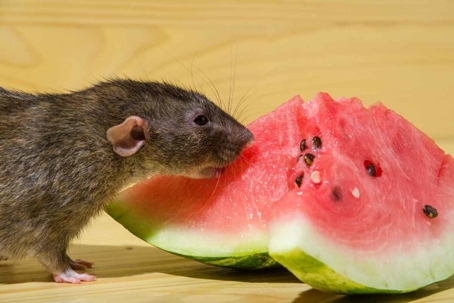
Fruits: Rats favor fruits that are high in sugar and moisture. Common targets include apples, berries, bananas, grapes, and citrus. Soft, overripe, or fallen fruits are especially vulnerable because they are easier for rats to consume.
Vegetables: Rats consume a wide range of vegetables, particularly those with high water content. Carrots, potatoes, peas, squash, cabbage, and leafy greens are all commonly eaten, especially in gardens or farms.
Nuts and Seeds: Rats are drawn to nuts and seeds, which provide concentrated fats and proteins. Examples include peanuts, sunflower seeds, almonds, and pumpkin seeds. Stored or fallen seeds in agricultural areas are particularly attractive.
Legumes: Beans and lentils can also attract rats, both in fields and stored forms. They are nutrient-dense and often found in human food storage areas, increasing the risk of infestation.
Tubers and Root Crops: Root vegetables such as sweet potatoes, beets, and radishes are consumed by rats, particularly when accessible in gardens or storage areas.
Garden Plants and Ornamentals: Rats may nibble on flowers, young shoots, and soft stems. Plants like lettuce, spinach, and tender ornamental shrubs can serve as supplementary food, especially in urban or suburban areas.
Any plant-derived waste, such as bread, vegetable scraps, and fruit peelings, is highly attractive to rats, making compost bins, trash cans, and discarded food hotspots for infestations.
Do Rats Eat Insects?
By eating insects and other arthropods, rats supplement their diet with essential protein, fats, and micronutrients, enhancing their adaptability in diverse habitats from urban sewers to rural fields:
Cockroaches: Rats frequently consume cockroaches, which are abundant in urban environments and provide a rich source of protein and fat. Their accessibility in kitchens, basements, and sewers makes them a convenient food source.
Beetles: Various beetle species, including weevils and ground beetles, are eaten by rats. Beetles’ hard exoskeletons provide additional fiber and nutrients, and they are commonly found in gardens, stored grains, and under debris.
Ants: While smaller in size, ants are occasionally consumed by rats, particularly when other protein sources are limited. Large colonies or heavily infested areas make ants a more practical target.
Grasshoppers and Crickets: These larger, protein-rich insects are attractive to rats in outdoor environments such as gardens, fields, or near light sources at night. Their movement also triggers predatory instincts in rats.
Spiders: Rats may opportunistically eat spiders when available. Spiders are abundant in corners, basements, and crawl spaces, and provide supplemental protein.
Centipedes and Millipedes: These arthropods are consumed occasionally, particularly in moist habitats where rats forage for diverse food sources. Their slow movement makes them easy prey.
Larvae and Worms: Insects’ larvae, such as beetle grubs or fly maggots, are highly attractive due to their soft texture, high protein content, and ease of digestion. Earthworms, although not insects, are sometimes consumed in moist soil environments.
Rats may also feed on small crabs, shrimp, or other arthropods near water sources or coastal areas, exploiting available protein-rich resources.
Do Rats Eat Human Food?
Rats will readily consume a wide variety of human foods:
Grains and Cereals: Rats are highly attracted to bread, pasta, rice, oats, and breakfast cereals. These starchy foods are easy to gnaw, store, and digest, making them a staple in urban infestations.
Sweets and Sugary Foods: Cakes, cookies, candy, chocolate, and other sweet items are extremely appealing due to their high sugar content, which provides quick energy. Overripe or discarded sweets are particularly vulnerable.
Processed Snacks: Potato chips, crackers, pretzels, and similar packaged snacks attract rats because of their strong smell, high fat content, and easy accessibility in homes, warehouses, and restaurants.
Nuts and Seeds: Peanut butter, roasted nuts, sunflower seeds, and other nut-based foods are highly favored. The concentrated fat and protein content make them very nutritious for rats.
Fruits and Vegetables: Fresh, cooked, or leftover fruits and vegetables—including apples, bananas, tomatoes, and lettuce—are consumed readily, especially when discarded or left exposed.
Meats and Proteins: Leftover cooked meat, cheese, eggs, and even small scraps from fish or poultry can attract rats, providing essential protein and fat for growth and reproduction.
Beverage Residues: Fermented or sugary liquids, such as fruit juice, soda, beer, or spilled coffee grounds, can attract rats, especially in kitchens, bars, or outdoor dining areas.
Any discarded or partially consumed food—including leftovers, peelings, and scraps—is highly attractive to rats, making improperly managed trash a major source of infestation.
Do Rats Eat Pet Food?
Securing pet foods in sealed, rodent-proof containers and promptly cleaning up leftovers is critical to preventing rat infestations, as these foods are often one of the first attractants in residential areas:
Dry Dog Food (Kibble): Rats are strongly attracted to dry dog kibble because it is high in protein, fat, and carbohydrates. Its small, hard pieces are easy for rats to carry, store, and consume over time.
Dry Cat Food (Kibble): Like dog food, dry cat food is nutrient-dense, particularly high in protein and fat, making it highly appealing to rats. Its strong aroma also draws them from a distance.
Wet or Canned Pet Food: Moist pet foods, including canned dog or cat food, are even more attractive because of their soft texture, strong smell, and high nutrient content. Rats can easily gnaw open containers or access leftover portions left out.
Bird Seed and Small Animal Feed: Bird seed, hamster pellets, rabbit feed, and other small mammal diets are often consumed by rats. Seeds, grains, and pellets provide concentrated energy, and storage containers or feeders can act as easy access points.
Pet Treats: Biscuits, jerky sticks, dental chews, or other specialty treats are highly palatable to rats due to their concentrated flavors and sugars, which can make them a tempting food source if left unsecured.
Fish Food: Flakes, pellets, or frozen fish food can attract rats in homes with aquariums or ponds, particularly if spilled or left accessible near storage areas.
Uneaten or discarded pet food left in bowls overnight, spilled during feeding, or in trash bins provides easy access for rats and encourages repeated visits.
Do Rats Eat Trash?
Properly securing trash in rodent-proof containers, cleaning bins regularly, and minimizing food waste exposure is essential to reduce rat infestations and prevent recurring problems:
Food Scraps: Rats are highly attracted to kitchen waste such as vegetable peels, fruit cores, meat scraps, cheese, eggshells, and leftover cooked foods. These provide high nutritional value and are easily accessible when trash is not secured.
Bread and Bakery Items: Leftover bread, pastries, cakes, cookies, and other baked goods are particularly appealing due to their high carbohydrate and sugar content, which provide quick energy for rats.
Processed and Packaged Foods: Opened or partially consumed snack foods like chips, crackers, candy, and chocolate attract rats, especially when wrappers are torn or improperly sealed.
Pet Food Waste: Uneaten kibble, wet pet food, or treats discarded in trash bins are highly attractive due to their protein and fat content.
Fallen or Spoiled Produce: Overripe, bruised, or rotting fruits and vegetables in trash or compost bins are a prime food source because they are soft, aromatic, and easy to consume.
Meat and Fish Waste: Raw or cooked scraps of meat, poultry, or fish, including bones with residual tissue, are especially tempting to rats due to their high protein and fat content.
Food-Soiled Paper and Cardboard: Pizza boxes, paper plates, or takeout containers coated with grease or food residue are often gnawed on and eaten by rats.
Beverage Residues: Spilled or leftover sugary drinks, coffee grounds, or fermented liquids in trash containers attract rats due to their aroma and sugar content.
Household compost bins containing plant scraps, fruit peels, and garden waste are also highly attractive if not properly sealed or maintained, providing both food and shelter.
Do Rats Eat Animals?
Rats are omnivorous, meaning they consume both plant and animal matter. While their diet is primarily composed of grains, fruits, vegetables, and human food scraps, many species will opportunistically eat animals when the opportunity arises. Such behavior is more common in environments where typical food sources are scarce, or in urban settings where rats scavenge in garbage and sewage systems. Eating animal protein provides essential nutrients, particularly during periods of rapid growth or reproduction. This omnivorous diet is one reason rats are highly adaptable and capable of surviving in diverse habitats, from cities to agricultural areas.
Do Rats Eat Birds?
Yes, rats do eat birds, although it is usually opportunistic rather than a primary food source. Certain species, like roof rats, are especially notorious for preying on bird eggs and nestlings, often climbing trees, shrubs, or structures to access nests. Norway rats may also consume birds if the opportunity arises, particularly ground-nesting species or weakened adult birds. This predatory behavior is more common in areas where natural food sources are limited or where rats coexist closely with human activity, such as in urban or agricultural environments. By eating birds and their eggs, rats can significantly impact local wildlife populations, making them a concern not only for property and food storage but also for ecological balance.
Do Rats Eat Frogs?
Yes, rats can and do eat frogs, although this behavior is largely opportunistic. Being omnivorous and highly adaptable, rats will consume small animals when plant-based or human food sources are scarce. Frogs, being slow-moving and relatively easy to catch, can become a convenient source of protein, particularly for Norway rats and other larger species. This predation typically occurs near wetlands, ponds, or other moist habitats where both rats and frogs coexist. By feeding on frogs, rats supplement their diet with animal protein, which is especially valuable during breeding or periods of rapid growth. Such behavior highlights the rats’ versatility as foragers and their ability to exploit a wide range of food sources in diverse environments.
Do Rats Eat Lizards?
Yes, rats do eat lizards, though this is generally opportunistic rather than a primary dietary habit. As omnivores, rats will consume a wide variety of foods, including small animals like lizards, when the opportunity arises. Smaller or slow-moving lizards are particularly vulnerable, especially in environments where typical food sources such as grains, fruits, or human scraps are limited. Rats may hunt lizards in gardens, urban areas, or natural habitats, providing themselves with a rich source of protein and nutrients. This behavior demonstrates rats’ adaptability and their ability to exploit virtually any accessible food source, contributing to their success as resilient and pervasive pests.
Do Rats Eat Other Rodents?
Yes, rats can and do eat other rodents, although this behavior is typically opportunistic and more common under conditions of food scarcity. Larger species, such as Norway rats, may prey on smaller rodents, including mice or young rats, to supplement their diet with high-protein animal matter. This cannibalistic or predatory behavior often occurs in confined environments like warehouses, sewers, or areas with high rat populations where competition for food is intense. Eating other rodents provides essential nutrients that support growth, reproduction, and survival, particularly during periods when plant-based or human food sources are limited. This tendency underscores the rats’ adaptability and predatory versatility, making them highly resilient and difficult to control in certain settings.
Do Rats Eat Wood?
Rats do not eat wood for nutrition, but they do gnaw on it for other important reasons. Their teeth grow continuously, so they must constantly gnaw on hard materials—like wood, plastic, or metal—to wear them down and prevent overgrowth. This behavior is instinctive and critical for dental health. While gnawing, rats may hollow out wooden structures, furniture, or crates to create nests or access food and shelter. So, although they do not consume wood as a food source, their gnawing can cause significant structural damage and facilitate entry into buildings, storage areas, and food supplies.
Last Updated: 12/19/2025