Fruit Flies
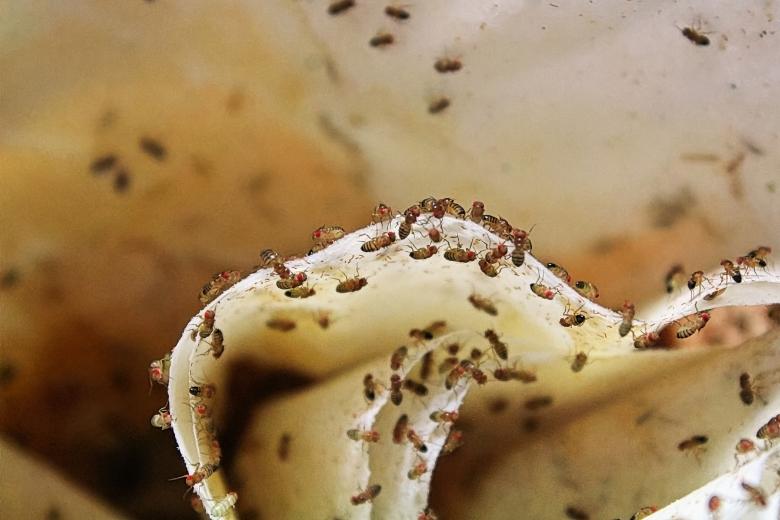
Are Fruit Flies Harmful?
Fruit flies (Drosophila melanogaster) can be harmful in several ways, primarily due to their ability to infest homes, businesses, and agricultural spaces. Below are some of the key ways in which fruit flies are considered problematic:
- Food Contamination: Fruit flies are notorious for infesting ripe, fermenting, or decaying fruits, vegetables, and other organic materials. They can introduce bacteria, yeast, and fungi to food surfaces, leading to contamination. While fruit flies themselves aren't directly harmful to human health, their presence can lead to spoilage and the potential spread of pathogens, increasing the risk of foodborne illnesses.
- Spread of Pathogens: Fruit flies are known to carry and transmit various bacteria, including those associated with foodborne diseases, such as Salmonella, E. coli, and Listeria. They pick up these pathogens when they come into contact with decaying organic matter, and can then spread them to fresh food, utensils, countertops, and other surfaces.
- Damage to Crops: In agricultural settings, fruit flies can be a significant pest. Certain species, such as the Mediterranean fruit fly (Ceratitis capitata), can damage a wide range of crops, including fruits, vegetables, and nuts. Their larvae burrow into the flesh of the fruit, causing it to rot, leading to reduced crop yield and economic losses for farmers. These flies are considered invasive in many regions and can severely impact local agriculture.
- Discomfort and Annoyance: While they are not dangerous in the same way as other pests like mosquitoes, the constant presence of fruit flies can be irritating, especially in households and businesses where food preparation and storage are frequent. Their tendency to hover around food and fermenting items can lead to an unpleasant and unsanitary environment.
- Reproduction Rate: Fruit flies reproduce quickly, with a single female capable of laying hundreds of eggs in her short lifespan. This rapid reproduction cycle can result in an overwhelming infestation in a relatively short time, making them difficult to control once established. Even small amounts of decaying organic material can support a significant fruit fly population.
- Impact on Food Storage: In restaurants, kitchens, and food storage facilities, fruit fly infestations can lead to spoiled products, forcing businesses to discard contaminated food. This not only results in financial losses but can also harm the reputation of a business if customers observe or experience the presence of these pests.
To minimize the harm caused by fruit flies, it is important to implement effective sanitation practices, such as regularly cleaning food preparation areas, promptly disposing of overripe or rotting produce, and using traps or pest control methods to reduce their populations.
Learn more: Do Fruit Flies Bite? || Are Fruit Flies Poisonous?
Fruit Fly Removal
Getting rid of fruit flies is important for several reasons, ranging from health risks to property and food concerns:
- Food Contamination: Fruit flies are attracted to ripening or decaying fruits and vegetables, as well as sugary liquids, garbage, and fermenting organic matter. They can easily transfer bacteria, yeast, and other pathogens from these sources onto fresh foods, leading to spoilage or foodborne illnesses. Even a small infestation can contaminate multiple food items quickly because fruit flies reproduce rapidly.
- Rapid Reproduction: Fruit flies have an extremely short life cycle—typically 7 to 10 days from egg to adult. A single female can lay hundreds of eggs in her lifetime, often in tiny crevices or on fruit surfaces. This means a small problem can explode into a large infestation very quickly, making early intervention crucial.
- Health Risks: While fruit flies aren’t directly dangerous like some insects, they are mechanical vectors for bacteria such as E. coli, Salmonella, and Listeria. By walking over surfaces, utensils, and exposed foods, they can indirectly cause gastrointestinal illnesses, especially in environments where food is prepared or stored.
- Impact on Hygiene and Perception: In residential and commercial settings, a fruit fly infestation signals poor sanitation. In restaurants, food processing plants, or grocery stores, even a minor presence can trigger health code violations, customer complaints, and damage to reputation. In homes, persistent infestations create frustration and indicate areas of improper food storage or waste management.
- Property Damage and Nuisance: Though fruit flies don’t bite or damage structures, their presence can attract larger infestations of other pests, and their constant buzzing around food, sinks, and drains can be highly annoying. They tend to congregate near drains, trash cans, and compost bins, creating a pervasive nuisance.
- Economic Costs: In commercial contexts, fruit fly infestations can lead to lost produce, rejected shipments, and costly sanitation measures. Even in homes, replacing spoiled fruits, vegetables, and other contaminated food adds up over time.
Fruit flies are more than just a minor annoyance. Their ability to multiply quickly, contaminate food, and signal sanitation issues makes prompt eradication essential for both health and practical reasons.
Learn more: How To Get Rid Of Fruit Flies
Fruit Fly Control
Hiring our professional pest control for fruit flies is often the most effective solution for both homes and businesses because fruit flies are small, fast-breeding, and attracted to sources that are easy to overlook. Here’s why our professional intervention is recommended:
- Comprehensive Identification and Inspection: Fruit flies can breed in unexpected areas beyond just overripe fruit, including drains, garbage disposals, trash cans, mops, and even damp areas of counters or sinks. Our professionals know exactly where to look. While many small flies look similar, true fruit flies require specific treatments. Misidentification can lead to ineffective DIY methods.
- Effective and Targeted Treatment: Our professionals have access to products not available to the general public, which are more effective in eliminating the entire population rather than just reducing visible numbers. Using insecticides incorrectly can be hazardous or ineffective. Our pros know the right dosage, placement, and timing to maximize results safely. Many DIY methods focus on adult flies but don’t address larvae in hidden breeding spots, allowing the infestation to rebound.
- Prevention and Long-Term Control: Our professionals advise on changes to storage, waste management, and cleaning routines that reduce fruit fly attraction. We can set up traps and follow-up visits to ensure the infestation is fully eradicated and doesn’t return.
- Time and Stress Management: Infestations can escalate quickly—fruit flies can reproduce in as little as 8–10 days. Our professionals can break the cycle faster than most DIY methods. Attempting to tackle fruit flies without expertise can be frustrating and ineffective, especially in commercial settings like restaurants or grocery stores where regulatory standards apply.
- Special Considerations for Businesses: In food-related businesses, a persistent fruit fly problem can violate health codes and result in fines or closures. Our professional solutions ensure customers are not exposed to visible infestations or hygiene concerns.
While DIY traps and cleaning can temporarily reduce fruit flies, our professionals address the root causes, eliminate the full population, and implement strategies to prevent recurrence. This comprehensive approach saves time, stress, and potential financial loss, especially in sensitive environments.
Fruit Fly Exterminators
Hiring our local exterminators for fruit fly infestations provides significant advantages over relying on a national company, especially since these small flies multiply rapidly and hide in hard-to-reach places:
- Faster Response Time: Our local exterminators are based in the area, which means we can respond to calls more quickly than national chains with centralized scheduling. Fruit flies often reproduce very rapidly—sometimes exploding in numbers in just a few days—so speed is crucial to prevent a small issue from becoming a full-blown infestation.
- Deep Knowledge of Local Conditions Fruit fly activity can vary depending on climate, season, and local food sources. Our local professionals understand which fruit fly species are most common in your area, their breeding habits, and the most effective treatment methods tailored to your environment. National companies often use standardized protocols that aren’t optimized for local pest behaviors.
- Customized, Targeted Solutions: Fruit flies can breed in unexpected places like drains, garbage disposals, compost bins, or even damp pantry shelves. Our local exterminators inspect your property thoroughly, identify all breeding sites, and implement a comprehensive, site-specific strategy. Large national companies often rely on “one-size-fits-all” treatments, which can lead to recurring infestations if key areas are missed.
- Ongoing Support and Follow-Up: Because we operate locally, our exterminators provide timely, ongoing protective visits to ensure the infestation is fully eradicated. Fruit flies may reappear if even a small breeding site is overlooked. Our local team is more accountable for long-term results.
- Eco-Friendly and Safe Practices: Our local exterminators provide customized, environmentally responsible approaches suited to residential or commercial spaces. We can tailor solutions to minimize chemical use while effectively targeting fruit fly breeding sites, which is harder for a large company following standardized protocols.
For a pest like fruit flies—small, fast-breeding, and often hidden—local exterminators bring speed, precision, and tailored expertise that national chains typically cannot match. They’re more invested in permanent solutions for your specific property and offer hands-on service that can save both money and frustration in the long run.
Fruit Fly Solutions
Our exterminators use Integrated Pest Management (IPM) to control fruit flies because these insects reproduce rapidly, infest overripe or fermenting fruits and vegetables, and can become a persistent nuisance in homes, restaurants, and food-handling areas. IPM begins with a thorough inspection to identify breeding sites, including trash bins, drains, compost, and stored produce, as well as assessing environmental conditions that support infestations, such as excess moisture and exposed food. Management strategies focus on habitat modification by removing or properly storing overripe or fermenting produce, cleaning drains and trash areas, and improving sanitation to eliminate breeding sources. Targeted interventions, such as traps or localized insecticide applications, are used only when necessary to minimize chemical exposure. Ongoing monitoring allows our exterminators to track activity, evaluate treatment effectiveness, and prevent reinfestation. By integrating inspection, environmental management, selective control, and monitoring, IPM provides a long-term, precise, and environmentally responsible approach to managing fruit fly populations.
Where Are Fruit Flies Found?
Fruit flies (Drosophila melanogaster) are commonly found in various places where they can access decaying organic matter. They are attracted to and thrive in environments with ripe or rotting fruits and vegetables. Here is where you might find fruit flies:
- Kitchens: Fruit flies are often encountered in kitchens, especially around fruit bowls, vegetable bins, and compost containers. They are attracted to the odors of overripe or decaying produce. Leftout or uncovered fruits, vegetables, and organic waste can quickly become breeding grounds for these insects.
- Trash Bins: Garbage and compost bins are prime locations for fruit flies, as they can lay their eggs in rotting food scraps. Properly sealing and regularly emptying these bins can help reduce infestations.
- Grocery Stores: Fruit flies can sometimes be found in grocery stores, particularly in the produce section. They might hitch a ride on fruits or vegetables brought in from infested areas, leading to isolated infestations.
- Bars and Restaurants: Places where fruits, juices, and alcoholic beverages are served are also prone to fruit fly infestations, especially if spillage or improperly stored ingredients are present.
- Vineyards and Orchards: In agricultural settings, fruit flies can cause significant damage to crops, particularly vineyards and orchards. They lay their eggs in ripening or damaged fruit, leading to crop loss if not managed.
- Composting Areas: Compost heaps or bins can attract fruit flies due to the decomposing organic matter. Proper compost management can help prevent infestations.
- Bakeries and Food Processing Facilities: Fruit flies can be a nuisance in places where food is processed or baked, as they are drawn to the sweet and sugary substances used in various recipes.
- Waste Management Facilities: Fruit flies can infest waste sorting and recycling facilities where there is a significant amount of organic waste.
- Indoor Plants: Overwatered or decaying potted plants can also be breeding sites for fruit flies. The damp soil provides a suitable environment for their larvae.
To prevent or eliminate fruit fly infestations, it's essential to maintain good sanitation practices, including promptly disposing of overripe produce, cleaning kitchen surfaces, and sealing trash containers. Additionally, using fruit fly traps or homemade vinegar traps can help control their numbers. If an infestation becomes severe or persistent, it may be necessary to use our professional pest control services.
Learn more: What Do Fruit Flies Look Like? || Fruit Flies vs Drain Flies || What Do Fruit Flies Eat?
Fruit Fly Life Cycle
The life cycle of fruit flies (Drosophila melanogaster) consists of four main stages: egg, larva, pupa, and adult. Here is a description of each stage:
- Egg (Ovum): The life cycle begins when a female fruit fly lays her eggs. These tiny, elongated, white eggs are typically deposited near decaying organic matter, particularly on or near fruits and vegetables. A single female can lay hundreds of eggs in her lifetime. The eggs are usually less than 1 millimeter in size.
- Larva (Maggot): After about 12-24 hours, the eggs hatch into larvae. Fruit fly larvae are small, cream-colored, legless, and worm-like. They immediately start feeding on the organic material they were laid on, which provides their primary source of nutrition. During this stage, the larvae go through multiple molts, increasing in size.
- Pupa: After several days of feeding and growing, the larvae enter the pupal stage. During this phase, they undergo metamorphosis, transforming into adult fruit flies. The pupae are enclosed in a protective, hard, and brownish shell called a puparium. Inside the puparium, the larval tissues are reorganized, and the adult body forms. This stage can last from a few days to a couple of weeks, depending on environmental conditions.
- Adult: The fully developed adult fruit fly emerges from the puparium. Adult fruit flies have distinctive features, including a small, tan to yellowish-brown body, red eyes, and two functional wings. They are sexually mature immediately upon emergence and can begin mating and reproducing. The adult fruit fly's lifespan is relatively short, usually living for a few weeks to a couple of months, although this can vary depending on factors such as temperature and food availability.
The life cycle of fruit flies is highly influenced by environmental factors, especially temperature and the availability of food. Warmer temperatures tend to accelerate their development, while cooler temperatures slow it down. The availability of decaying organic matter, which serves as their food source and breeding site, is also a critical factor in their life cycle. This rapid life cycle is one of the reasons fruit flies can be so prolific, and they are often considered a nuisance due to their ability to infest homes and agricultural settings quickly.
Hear From Our Happy Customers
-
"Wonderful Service"
Wonderful service. Jarvis is great. Took care of everything I needed. Thank you!
- Henry P. -
"Professional & Considerate"
I’m pleased with Miche services. Jarvis came today. Professional and considerate. Thank you!
- Judy B. -
"Fantastic & Patient"
Jarvis was fantastic and patient. He answered my questions with an in-depth explanation and addressed all of my areas of concern. Would love for him to be my assigned tech going forward. Well done!
- Yonnette M. -
"Very Knowledgeable"
The tech that arrived was courteous, professional, and very knowledgeable. He was Great.
- Uerial I. -
"Exceeds Expectations"
I can’t say enough positive things about this company... The tech that came out, Jarvis went above and beyond my expectations. Thank you guys, I will continue using your services.
- Jake M. -
"Great Communication"
Tech was on time, communication was great, and he accommodated my needs.
- Alonzo W.