
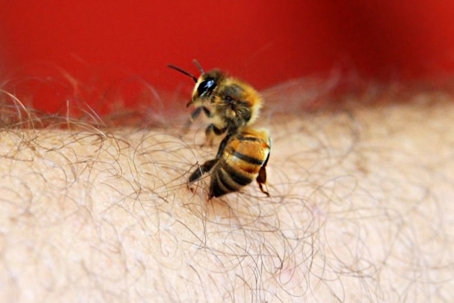
Do Honey Bees Sting?
Honey bees are generally non-aggressive and will only sting under specific circumstances. Their stinging behavior of these bees is mostly defensive rather than aggressive or predatory. Here are the main situations in which honey bees are most likely to sting:
Threat to the Hive or Colony: Honey bees are extremely protective of their hive. Disturbing a hive—intentionally or accidentally—can provoke a defensive response. Vibrations, loud noises, or rapid movements near the hive can trigger a defensive swarm.
Perceived Threat to Themselves: If a bee is handled roughly, trapped, or stepped on, it may sting in self-defense. Crushing or pinching a bee releases alarm pheromones, which can prompt nearby bees to sting as well.
Threat to the Queen: Bees are highly protective of the queen. Any perceived danger to her, such as a beekeeper opening the hive without proper care, can lead to multiple stings.
Sudden Movements or Bright Colors: Bees may interpret fast movements or bright clothing, especially floral patterns, as potential threats and react defensively.
Smells and Scents: Strong scents, such as perfumes, colognes, or the smell of sweat, can irritate or alarm bees. Certain chemicals or food odors (like bananas) can also trigger defensive behavior.
High Activity Periods: Bees are more likely to sting in late spring and summer when the hive is populous and foraging activity is high. Swarming bees are generally less likely to sting than hive-defending bees, but if provoked, they can still sting.
Honey bees usually give a warning first, often by buzzing loudly or flying around intruders. They are less likely to sting if left undisturbed, so avoidance and calm movements are the best preventive measures. Unlike some other stinging insects, honey bee stings result in the bee dying afterward because the stinger becomes lodged in the skin.
Honey Bee Stings
Honey bee stings can range from mild and temporary discomfort to severe, life-threatening reactions, depending on the individual and the circumstances of the sting:
Typical Reaction (Mild to Moderate)
For most people, a honey bee sting causes:
Pain: A sharp, burning, or throbbing sensation at the sting site.
Redness and Swelling: Usually localized, often lasting a few hours to a couple of days.
Itching: Common as the skin begins to heal.
These reactions are generally short-lived and manageable with home remedies such as ice packs, antihistamines, or topical creams.
Larger Local Reactions
Some individuals may experience:
Intense swelling: The area around the sting becomes significantly swollen, sometimes extending to an entire limb.
Redness and warmth: Can persist for several days.
Although uncomfortable, these reactions are not usually dangerous unless there’s a secondary infection.
Allergic Reactions (Systemic or Anaphylactic)
A small percentage of people are allergic to bee venom, and for these people, honey bee stings can trigger severe, rapid reactions:
Widespread hives or rash
Swelling of the face, lips, throat, or tongue
Difficulty breathing, wheezing
Dizziness or fainting
Rapid heartbeat or drop in blood pressure
This is life-threatening and requires immediate emergency treatment with epinephrine and professional medical care.
Multiple Stings
Even for non-allergic individuals, multiple stings (dozens or hundreds) can be dangerous because of:
Venom load: Can overwhelm the body, causing nausea, vomiting, weakness, or organ stress.
Medical risk: Children, elderly, or those with chronic illnesses are particularly vulnerable.
For most people, a single honey bee sting is uncomfortable but harmless. For allergic individuals, any sting can be dangerous, and anaphylaxis can occur rapidly. Multiple stings can cause serious health risks even in people without allergies.
What Do Honey Bee Stings Look Like?
Honey bee stings have a fairly distinctive appearance, especially if you know what to look for:
The Puncture Site
Small, red, raised bump: Typically 2–5 mm in diameter.
Central puncture mark: The stinger often leaves a tiny dot at the center.
Immediate reaction: The area may appear slightly swollen and feel warm or tender.
The Stinger
Barbed stinger: Honey bees have a barbed stinger that usually remains lodged in the skin.
Venom sac attached: Often, a small, white or yellow sac is visible at the end of the stinger. This sac continues to pump venom for a short time after the sting.
Removal needed: Gently scraping it off with a fingernail or credit card is recommended; squeezing it can inject more venom.
Surrounding Skin Reaction
Redness: The skin around the sting is often red and slightly inflamed.
Swelling: Mild swelling is common and usually confined to the immediate area.
Itching or burning: The sting site may feel itchy, painful, or burning for hours to a couple of days.
Larger Reactions
Some people develop significant swelling, with the entire hand, foot, or limb becoming puffy.
Allergic reactions may cause hives or widespread redness beyond the sting site.
Imagine a small, red, raised bump with a tiny puncture in the center, sometimes with a tiny white stinger sac sticking out, surrounded by localized redness and swelling. That’s the classic honey bee sting.
What To Do About Honey Bee Stings
If you get stung by a honey bee, the response depends on whether it’s a normal reaction, a large local reaction, or a potential allergic reaction:
Remove the Stinger Quickly
Honey bee stingers are barbed and continue to release venom after the sting.
Remove it as soon as possible: Scrape it off gently with a fingernail, credit card, or dull knife edge. Do not pinch or squeeze the stinger, as this can inject more venom.
Clean the Area
Wash the sting site with soap and warm water to remove dirt and reduce the risk of infection.
Reduce Pain and Swelling
Ice or cold pack: Apply for 10–15 minutes at a time to minimize swelling and numb pain.
Elevation: Raise the affected limb if possible.
Pain relief: Over-the-counter pain medications like ibuprofen or acetaminophen can help.
Anti-itch treatment: Hydrocortisone cream, calamine lotion, or an oral antihistamine (like diphenhydramine) can relieve itching.
Monitor for Allergic Reactions
Seek immediate medical attention if you notice:
Difficulty breathing or swallowing
Swelling of face, lips, tongue, or throat
Dizziness, fainting, or rapid heartbeat
Widespread hives or rash
These are signs of anaphylaxis, which can be life-threatening. People with known bee allergies should always carry an epinephrine auto-injector and use it at the first sign of systemic reaction.
Manage Larger Local Reactions
Swelling may extend beyond the sting site, sometimes involving an entire hand or foot.
Continue cold compresses and antihistamines as needed.
If swelling worsens over several days or shows signs of infection (pus, increasing redness, fever), consult a healthcare provider.
Prevent Secondary Infection
Avoid scratching the sting site.
Keep the area clean and dry.
Most single honey bee stings are mild and heal within 24–48 hours. Quick stinger removal and icing the area are the most important immediate steps. Allergic reactions, though rare, require urgent medical care.