
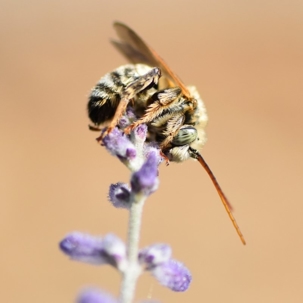
Do Digger Bees Sting?
Digger bees are generally non-aggressive and only sting under very specific circumstances. Unlike social bees such as honeybees or bumblebees, digger bees do not have a colony to defend, so their stinging behavior is primarily self-defense. Here are the situations in which they are most likely to sting:
Direct Handling or Pinching: If you try to pick up, trap, or pinch a digger bee, it may sting as a defensive reflex. Because these bees are solitary, they are not used to frequent disturbances and are more likely to react when physically threatened.
Sudden Proximity or Threats Near Their Nest: Digger bees nest in the ground, often in loose soil or sandy areas. If someone accidentally steps on or near a nest, the bee may feel threatened and sting. However, they usually retreat underground rather than confront intruders.
Restrictive Traps or Clothing Contact: A digger bee trapped in clothing or pressed against the skin may sting in an attempt to escape. This is more common when gardeners or people in outdoor activities brush against nesting sites.
Prolonged Disturbance of Flowers: While feeding on nectar and pollen, digger bees are generally tolerant of human presence. They may sting if someone tries to grab them from flowers, as this triggers a defensive response.
Unusual Threats to Life: Extreme cases, such as being swatted or repeatedly harassed, can provoke stings. Digger bees are solitary and have no colony to protect, so stings are purely personal defense.
Digger bees are very unlikely to sting unprovoked. Most encounters result in the bee flying away rather than attacking. Their stings are mild compared to honeybees or wasps, often causing minor pain, redness, or swelling similar to a mosquito bite, and are rarely medically serious unless someone is allergic.
Digger Bee Stings
Digger bee stings are generally mild compared to social bees (like honeybees or bumblebees) or wasps. Here’s what you can expect:
Pain and Sensation
Most people describe the sting as a sharp, brief pinch.
Pain typically peaks immediately and fades within a few minutes.
Unlike honeybee stings, digger bees usually do not leave their stinger behind, so there’s no prolonged venom injection.
Local Reactions
Redness: Usually a small red spot around the sting site.
Swelling: Mild swelling is common and generally stays under 1 inch (2.5 cm).
Itching: Can occur after a few hours and last 1–2 days.
Warmth or tenderness: Mild localized discomfort is normal.
Systemic Reactions
Serious allergic reactions to digger bee stings are extremely rare, since these bees inject less venom than honeybees. Typical symptoms of a mild systemic reaction (if they occur) include: mild headache, fatigue, or generalized itchiness.
Severe allergic reactions (anaphylaxis) are very uncommon but would present with:
Difficulty breathing or swallowing
Swelling of lips, tongue, or throat
Dizziness or fainting
This is a medical emergency requiring immediate attention.
Duration
Pain usually resolves within minutes.
Redness and swelling can last several hours to a day, sometimes a little longer in sensitive individuals.
Treatment
Immediate care: Wash the area with soap and water.
Pain/itch relief: Apply a cold compress, over-the-counter antihistamine, or topical hydrocortisone cream if needed.
Monitor: Most stings heal without complications, but keep an eye out for signs of infection (increasing redness, warmth, pus) or unusual allergic reactions.
For most people, a digger bee sting is a minor nuisance, similar to a mosquito bite or mild wasp sting. Severe reactions are very rare, and the sting is primarily a defensive mechanism, not an aggressive attack.
What Do Digger Bee Stings Look Like?
Digger bee stings are usually mild and localized, so the visible signs are subtle. Here’s what you can expect:
Immediate Appearance
A small red spot at the site of the sting.
Sometimes a tiny raised bump forms, similar to a mosquito bite.
Unlike honeybee stings, diggers rarely leave their stinger behind, so you won’t usually see a stinger protruding.
Within Minutes to Hours
Redness may spread slightly around the sting site.
Swelling is usually mild, often under 1 inch (2.5 cm) in diameter.
Tenderness or warmth can occur.
Within a Day or Two
The bump may develop a slight white or yellow center in some cases, like a tiny blister.
Itching can start and may last 1–2 days.
Most swelling and redness begin to fade within 24 hours, fully resolving in a few days.
When to Worry
Increasing redness, warmth, or pus could indicate infection.
Systemic symptoms (difficulty breathing, swelling of face or throat, dizziness) indicate a severe allergic reaction and require immediate medical attention.
A digger bee sting typically looks like a small, red, mildly swollen bump, often with minor itching or tenderness, and usually resolves quickly without complications.
What To Do About Digger Bee Stings
If you get stung by a digger bee, the situation is usually minor, but prompt care can reduce discomfort and prevent complications. Here’s what to do about a digger bee sting:
Stay Calm and Move to Safety
Digger bees are not aggressive and typically sting only in self-defense.
Move away from the area where the bee is to avoid additional stings.
Clean the Sting Site
Wash the area with soap and lukewarm water to remove dirt and reduce the risk of infection.
Pat the skin dry with a clean towel.
Relieve Pain and Swelling
Apply a cold compress or ice pack for 10–15 minutes to reduce pain and swelling.
Elevate the affected limb if possible.
Over-the-counter medications like acetaminophen or ibuprofen can help with pain.
Reduce Itching and Redness
Apply hydrocortisone cream or an antihistamine cream to control itching and inflammation.
Oral antihistamines (like diphenhydramine or cetirizine) can help if itching is bothersome.
Monitor for Allergic Reactions
Most digger bee stings cause only mild local reactions, but watch for:
Difficulty breathing or swallowing
Swelling of face, lips, or throat
Dizziness, fainting, or rapid heartbeat
If any of these occur, call 911 immediately, as it could indicate anaphylaxis.
Prevent Infection
Avoid scratching the sting site.
Keep it clean and dry for the next 24–48 hours.
Seek medical attention if you notice increasing redness, warmth, pus, or spreading swelling, which could indicate an infection.
Pain and Healing Timeline
Pain and redness usually peak immediately and fade within hours.
Mild swelling and itching can last 1–2 days.
Full healing typically occurs within 3–5 days.
Digger bee stings are generally mild, self-limiting, and rarely serious. The main steps are clean, cool, relieve, monitor: clean the site, apply cold to reduce swelling, relieve itching/pain, and monitor for allergic reactions.