
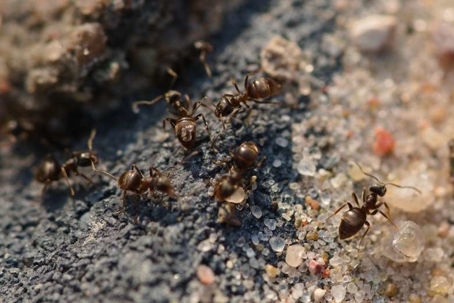
Do Pavement Ants Bite?
Pavement ants (Tetramorium caespitum) are small, dark brown to black ants commonly found nesting in cracks of pavement, sidewalks, driveways, and under stones or logs. While they are primarily scavengers and attracted to food, they do occasionally bite when provoked. The situations in which pavement ants are most likely to bite people or pets include:
Disturbing their nest: Pavement ants are most defensive when their colony is threatened. Stepping on or near their nest, disturbing soil, or lifting pavement slabs where they nest can trigger biting behavior.
Searching for food: If pets or humans interfere with a pavement ant trail or attempt to remove food items they are collecting, the ants may bite in defense.
Accidental contact: Walking barefoot on infested areas or allowing pets to lie down or play on surfaces heavily populated with pavement ants can lead to bites, although these ants are not aggressive unless provoked.
High ant density: In situations where pavement ant populations are large, accidental brushing against multiple ants can result in bites, especially on exposed skin like hands, feet, or legs.
Pavement Ant Bites
Pavement ant (Tetramorium caespitum) bites are generally considered low-risk, especially compared to bites from more aggressive ants like fire ants. However, there are some potential risks and considerations:
Minor skin irritation: The most common effect is localized redness, slight swelling, or itching at the bite site. Small raised bumps may appear, similar to a mosquito bite.
Secondary infection: Scratching the bite can break the skin, creating an entry point for bacteria. This can lead to mild infections, particularly if the affected person or pet is immunocompromised or the bite site is not cleaned.
Allergic reactions (rare): True allergic reactions to pavement ant bites are uncommon, but some individuals may experience increased itching, hives, or mild swelling. Severe systemic allergic reactions (anaphylaxis) are extremely rare with pavement ants.
Pet-specific risks: Pets, especially small ones, might scratch or bite the affected area repeatedly, increasing the risk of irritation or infection. If multiple ants bite at once, minor discomfort or stress can occur.
Pavement ant bites are mostly a nuisance rather than a serious health hazard. Proper cleaning, monitoring for infection, and minimizing scratching are usually sufficient.
What Do Pavement Ant Bites Look Like?
Pavement ant (Tetramorium caespitum) bites are generally mild and can be easy to confuse with other insect bites. Their appearance is distinctive in a few ways:
Small red or pink bumps: The bite site usually shows a tiny red dot or slightly raised bump. These are typically no larger than a mosquito bite.
Mild swelling: Surrounding skin may be slightly swollen, but not intensely so. Swelling usually subsides within a few hours to a day.
Itching or irritation: The affected area may be itchy or feel mildly tender. Scratching can make the bump redder or lead to a small scab.
Clustered appearance (sometimes): If multiple ants bite at once, bites can appear in small clusters. This is more common on pets or when a person disturbs a nest.
What To Do About Pavement Ant Bites
If you get bitten by pavement ants, the bites are usually minor, but proper care helps reduce irritation and prevent infection. Here’s a step-by-step guide:
Immediate Care
Wash the area: Use soap and warm water to clean the bite site. This removes any debris or bacteria introduced by scratching.
Apply a cold compress: A cool pack or ice wrapped in a cloth for 5–10 minutes can reduce swelling and relieve itching.
Avoid scratching: Scratching can break the skin, increasing the risk of infection.
Topical Treatments
Anti-itch cream or lotion: Apply a mild hydrocortisone cream or calamine lotion to reduce itching.
Pain relief if needed: Over-the-counter pain relievers, like acetaminophen or ibuprofen, can help if the bite is tender.
Monitor for Complications
Watch for infection: Signs include increasing redness, warmth, pus, or swelling beyond the bite site. If any of these occur, seek medical attention.
Allergic reactions (rare): Mild reactions: hives or extended redness. Severe reactions: difficulty breathing, swelling of face or throat. Call emergency services immediately if severe symptoms appear.
For Pets
Wash the area gently with mild soap and water.
Prevent licking or scratching using an Elizabethan collar if necessary.
Apply a pet-safe antiseptic or anti-itch product.
Monitor for swelling, redness, or signs of infection; consult a veterinarian if concerned.
Pavement ant bites are generally harmless, but keeping the site clean and minimizing scratching is the most effective way to avoid complications.