
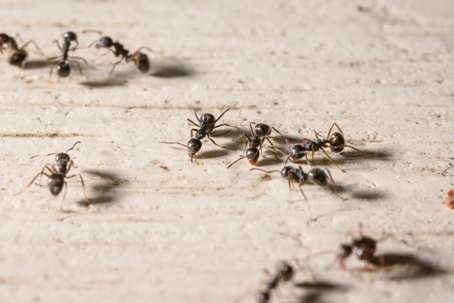
Do Odorous House Ants Bite?
Odorous house ants (Tapinoma sessile) are generally not aggressive toward humans, and bites from these ants are rare. However, there are some situations where they might bite:
Disturbance of the nest: If a colony is directly disturbed—such as by stepping on their nest, crushing ants, or moving infested items—they may bite defensively.
Food competition: When foraging ants encounter humans handling food, they may bite if they feel threatened while trying to access a food source.
Crowded indoor infestations: Large infestations inside walls, cupboards, or other confined spaces can make ants more likely to bite if disturbed.
Handling ants directly: Picking up ants or swatting them can trigger defensive biting behavior.
Odorous House Ant Bites
Bites from odorous house ants (Tapinoma sessile) are generally considered low-risk, but a few potential issues can arise, particularly in sensitive individuals or under certain conditions:
Localized irritation: The most common reaction is minor skin irritation at the bite site. This may include redness, slight swelling, and mild itching or a stinging sensation.
Allergic reactions: Though rare, some people may experience mild to moderate allergic reactions. Symptoms could include increased redness or swelling, and itching or hives around the bite area. Severe allergic reactions (anaphylaxis) are extremely uncommon with odorous house ants.
Secondary infection: If the bite site is scratched excessively, bacteria from the skin or under the fingernails can cause an infection. Signs include increasing redness, warmth, pus, or pain.
Psychological discomfort: Large infestations or repeated bites can cause stress, anxiety, or sleep disturbance, especially in households with children.
Food contamination risk: While not a direct result of biting, odorous house ants often forage in kitchens and pantries. Bites may occur near food handling areas, raising the risk of minor bacterial transfer from surfaces.
In general, odorous house ant bites are more of a nuisance than a serious health threat. For most people, simple first-aid measures like cleaning the bite, applying an anti-itch cream, or using a cold compress are sufficient.
What Do Odorous House Ant Bites Look Like?
Bites from odorous house ants (Tapinoma sessile) are usually minor and subtle. Here’s what you can expect:
Size and shape: The bite site is typically small, about 1–2 millimeters in diameter, appearing as a tiny red or pink dot.
Swelling and redness: Some mild swelling around the bite may occur, often accompanied by a faint red halo. The reaction is generally localized and does not spread.
Itching or stinging: The bite can feel like a mild pinch, followed by slight itching or a stinging sensation.
Blistering: Rarely, small fluid-filled bumps may form, but this is uncommon and usually only occurs in sensitive individuals.
Duration: Symptoms usually resolve within a few hours to a couple of days. Persistent redness or irritation is uncommon unless the bite is scratched excessively, which can lead to secondary infection.
Odorous house ants are more likely to emit a strong, unpleasant odor when crushed than to cause significant skin reactions through biting. Most bites are minor nuisances rather than medical concerns.
What To Do About Odorous House Ant Bites
If you get bitten by odorous house ants (Tapinoma sessile), the bites are usually minor, but proper care can prevent discomfort and infection. Here’s a professional, step-by-step approach:
Immediate Care
Clean the area: Wash the bite with mild soap and cool water to remove any dirt or bacteria. Pat the area dry with a clean towel.
Reduce itching and swelling: Apply a cold compress or ice pack (wrapped in cloth) for 5–10 minutes at a time. Over-the-counter anti-itch creams or hydrocortisone 1% ointment can help alleviate itching. Oral antihistamines (e.g., diphenhydramine or loratadine) may help if itching is significant.
Monitor for Reaction
Most bites resolve in a few hours to a day.
Watch for signs of secondary infection, such as increasing redness or warmth, pus or fluid discharge, and pain that worsens over time.
Prevent Scratching
Avoid scratching the bite; this reduces the risk of skin infection and scarring.
Seek Medical Attention if Necessary
If you experience severe allergic reactions (rare for odorous house ants), such as widespread hives, swelling of the face, lips, or throat, or difficulty breathing or dizziness, call emergency services immediately.
Prevent Future Bites
Identify and eliminate infestations in your home, particularly kitchens, pantries, and other food areas.
Seal entry points, clean up food crumbs, and store food in airtight containers.
Consider our professional pest control for large infestations. Contact us to learn more.
Odorous house ant bites are rarely dangerous, but proper hygiene and monitoring ensure they remain a minor nuisance rather than a health concern.