
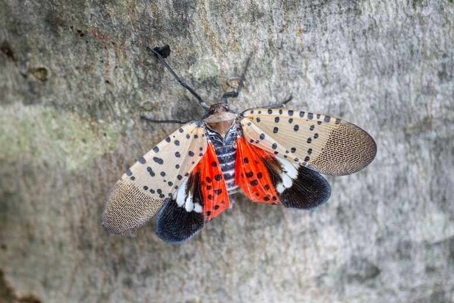
How To Get Rid Of Lanternflies
Getting rid of lanternflies (specifically the spotted lanternfly, Lycorma delicatula) on your own can be challenging because they are prolific breeders and feed on a wide range of plants, including grapevines, maples, and fruit trees. However, there are effective DIY strategies for home and business owners. Here's how to get rid of lanternflies:
The most effective first step is to physically eliminate lanternflies whenever possible. Stomping adults, crushing nymph clusters, and knocking them into containers filled with rubbing alcohol or soapy water can dramatically reduce local populations. Although simple, consistent manual removal is highly impactful, especially during peak activity periods.
Removing their preferred host plants—particularly Tree-of-Heaven (Ailanthus altissima)—is one of the strongest long-term measures. If a property contains multiple Tree-of-Heaven trunks, leave one or two standing as “trap trees” and remove the rest. This limits breeding opportunities while creating predictable feeding points that can later be treated or monitored more efficiently.
Scraping egg masses from trees, siding, furniture, and outdoor equipment is essential during fall and winter. Egg masses resemble putty-like smears and should be scraped into a sealed bag with rubbing alcohol or hand sanitizer. Thoroughly inspect vertical surfaces, loose bark, firewood, and stored outdoor items, as eggs often go unnoticed until they hatch in spring.
Applying sticky bands or circle traps around tree trunks helps intercept nymphs and adults as they climb. Circle traps are generally preferred because they reduce accidental capture of birds, squirrels, and beneficial insects. Whether using sticky or funnel-style traps, check and maintain them frequently so debris, bark, and excess insects do not reduce their effectiveness.
Using a properly labeled insecticide is an option when infestations reach severe levels. Contact sprays that contain pyrethroids, neem-based products, or insecticidal soaps can help reduce visible populations. Systemic treatments containing imidacloprid or dinotefuran are effective on “trap trees,” but should be used carefully, strictly following label instructions, to minimize risks to pollinators and other non-target organisms.
Reducing outdoor attractants strengthens all other control efforts. Remove yard debris, prune heavily infested branches, eliminate unnecessary vegetation near structures, and clean honeydew residue that encourages mold growth and attracts lanternflies. The cleaner and less hospitable the environment, the fewer lanternflies will stay and reproduce.
Ongoing monitoring is crucial, even after major reductions. Reinspect trees each season for new egg masses, refill traps promptly, note where lanternflies appear most frequently, and adjust removal methods accordingly. Persistence is key; repeated pressure over multiple seasons provides the strongest suppression and protects the home or business from re-establishment.
DIY lanternfly control works best if you combine physical removal, traps, habitat management, and careful use of insecticides. However, infestations can grow rapidly, and in commercial or heavily infested areas, our professional pest control is often the only way to reliably eliminate them.
How To Get Rid Of Lanternflies Fast
The fastest way to eliminate spotted lanternflies combines direct knockdown with targeted host-tree treatments. Contact insecticides labeled for SLF—particularly pyrethroid-based sprays—provide the quickest visible reduction. When applied directly to adults or nymphs, they deliver rapid mortality and significantly thin out active populations within minutes to hours. Because lanternflies congregate heavily on certain trees, treating those trunks and lower canopies creates a high-efficacy kill zone that immediately cuts numbers.
The next rapid-acting method involves using trap trees treated with systemic insecticides such as dinotefuran. While systemics take longer to move through the tree than contact sprays, they create a powerful sustained kill for weeks, turning the preferred host into a continuous control point. This approach not only eliminates lanternflies feeding on that tree quickly but also prevents new arrivals from building up. It is one of the most aggressive and fast-reducing strategies when infestations are heavy.
Pairing chemical treatments with mechanical reduction accelerates results even further. Circle traps placed on heavily used host trees capture large numbers quickly, often within the first day of deployment. For immediate spot control, physically knocking lanternflies into containers filled with rubbing alcohol or soapy water removes clusters rapidly and can clear small areas in minutes.
Using these methods together—direct contact sprays for instant knockdown, systemic treatments for continuous high-impact control, and traps or manual removal for immediate supplement—produces the fastest population collapse on a property.
How To Get Rid Of Lanternflies Permanently
The only truly lasting solutions are those that remove the lanternfly’s ability to feed, reproduce, and overwinter on your property. Permanent suppression comes from breaking the life cycle rather than relying solely on sprays, which offer short-term relief but never eliminate the source of reinfestation. The most decisive long-term action is removing Tree-of-Heaven, their primary reproductive host. Systematically cutting and herbicide-treating these invasive trees prevents them from resprouting and eliminates the main resource lanternflies depend on to establish large populations. Where total removal isn’t practical, leaving one or two “trap trees” and eliminating the rest creates a predictable focal point that can be treated safely and monitored over time.
Another key component of long-term elimination is aggressive egg-mass management. Lanternflies spread mainly by hitchhiking on egg masses laid on vehicles, furniture, firewood, siding, and outdoor equipment. A property that is consistently inspected and cleared of egg masses each fall and winter becomes significantly less likely to host recurring outbreaks. This is one of the few strategies that reduces populations before the insects even hatch.
Improving the landscape so it is less attractive or suitable for lanternflies also contributes heavily to lasting control. Reducing sap-heavy or stressed trees, pruning overgrown vegetation, removing yard debris, and discouraging mold-producing honeydew build-up all help prevent large aggregations. Properties with healthier, well-managed trees and fewer neglected areas experience less pressure year after year.
Long-duration tree treatments can provide an additional layer of sustained suppression when used responsibly. Systemic applications applied only to designated trap trees can deliver weeks of controlled population reduction without repeatedly treating the entire property. While not a standalone “permanent fix,” this strategy supports the broader effort to remove hosts and interrupt reproduction.
Ultimately, permanent relief comes from a combination of host removal, egg-mass elimination, and environmental modifications. These measures stop lanternflies from establishing and returning, reducing the need for ongoing chemical interventions and creating a property that they cannot easily repopulate.
How To Get Rid Of Lanternflies Naturally
There are natural methods that genuinely reduce lanternfly numbers, but it’s important to distinguish between what helps suppress them and what can truly eliminate them from a property. Natural approaches can be effective when used consistently and combined with habitat modification. Here are the natural methods that provide the most meaningful results:
Egg Mass Removal (Most Impactful Natural Method): Physically scraping egg masses from trees, furniture, fences, and outdoor equipment is one of the few natural tactics that directly prevents future generations. It requires no chemicals, and a single egg mass can contain 30–50 eggs, so removal dramatically reduces local populations when done thoroughly in fall and winter.
Tree-of-Heaven Removal (Longest-Lasting Natural Control): Eliminating Tree-of-Heaven—an invasive species and the lanternfly’s preferred reproductive host—removes the resource they depend on to build large populations. This does not require synthetic insecticides, only proper cutting and stump treatment using allowed natural herbicides or mechanical removal. Without this host, lanternflies cannot establish heavy infestations.
Circle Traps (Highly Effective Mechanical Control): Funnel-style traps attached to trunks capture nymphs and adults as they climb, using no chemicals and causing no harm to beneficial wildlife. These traps can catch hundreds or thousands of lanternflies seasonally and significantly suppress activity around homes and businesses.
Manual Removal (Simple but Surprisingly Powerful): Knocking lanternflies into a container of soapy water provides instant kill without pesticides. Repeating this during peak activity reduces egg laying and disrupts feeding. It’s labor-intensive, but extremely effective on smaller properties or localized clusters.
Habitat Modification (Reduces Infestation Pressure): Lanternflies thrive in cluttered, moisture-heavy areas with several vertical surfaces where they can rest and aggregate. Reducing debris piles, pruning overgrown vegetation, managing sap flow on stressed trees, and washing off honeydew can make the environment less attractive and discourage the large aggregations that fuel reproduction.
Encouraging Native Predators (Helpful but Not Sufficient Alone): Birds, spiders, wheel bugs, praying mantises, and some wasps do eat lanternflies, particularly nymphs. While beneficial, these predators cannot control the population entirely because lanternflies reproduce too quickly. Still, maintaining a diverse and healthy landscape with native plants supports these natural checks and adds pressure to the population.
Natural methods can absolutely reduce and even suppress lanternflies long-term—especially when focused on egg removal, Tree-of-Heaven eradication, and circle traps. While none of these alone guarantees total elimination, using them consistently and together can lead to a dramatic and lasting reduction without relying on synthetic insecticides.
The Best Way To Get Rid Of Lanternflies
Our professional pest control is the most effective way to get rid of lanternflies for several reasons, particularly for home or business owners dealing with moderate to heavy infestations. While DIY methods can help slow the spread, our professionals bring expertise, tools, and treatments that drastically improve the chances of successful eradication. Here’s why:
Expert Identification and Assessment
Our professionals can accurately identify all life stages of the spotted lanternfly (nymphs, adults, eggs) and distinguish them from similar-looking insects.
We perform a full property inspection, including hard-to-reach areas, trees, and surrounding landscapes, to assess the extent of the infestation. This ensures no breeding sites are overlooked.
Effective Treatment Options
We have access to EPA-approved insecticides that are not available to the general public. These chemicals are often systemic, meaning they are absorbed by trees and plants to kill the lanternflies feeding on them.
Our professionals know the most effective formulations, dosages, and timing for application, targeting the insects at their most vulnerable stages (nymphs in late spring/early summer and adults in late summer/fall).
Our treatments are applied in a way that minimizes harm to non-target species and the environment, which can be difficult for homeowners using over-the-counter products.
Specialized Equipment and Techniques
Our professionals use advanced equipment to strategically to cover large or inaccessible areas.
We apply treatments precisely and uniformly, reducing the chance of escape or survival of the insects.
Long-Term Monitoring and Management
Spotted lanternflies reproduce rapidly and can lay hundreds of eggs. Our professionals provide ongoing monitoring and follow-up treatments to catch new infestations early.
We create a customized management plan for your property, reducing the likelihood of reinfestation from nearby sources.
Safety and Liability
Some DIY chemical treatments can be hazardous to humans, pets, and beneficial insects if misapplied. Our professionals are trained in safe handling, protective equipment use, and proper disposal.
For businesses, our professional treatment ensures compliance with local regulations for invasive species control (lanternflies are a quarantined pest), which is especially important if your business is involved in shipping goods or materials.
Time and Effectiveness
Controlling lanternflies manually or with DIY methods is labor-intensive and ongoing, with no guarantee of complete eradication.
Our professionals can achieve faster, more reliable results, saving you time and stress while preventing the damage lanternflies can cause to plants, trees, and crops.
Lanternflies are highly invasive, prolific breeders, and difficult to eradicate without expert knowledge and tools. Our professional pest control ensures comprehensive treatment, long-term monitoring, and safe, effective elimination, whereas DIY methods are often only partially effective and labor-intensive.
Get Rid Of Lanternflies With Miche Pest Control
Hiring our team of professionals at Miche Pest Control is an investment in long-term protection, expertise, and peace of mind. Here’s why:
- Personalized Service and Local Expertise: We know the specific pest pressures in the area. Our technicians understand the environment, climate, and building types common to the area, allowing them to provide targeted, effective treatments.
- High-Quality, Comprehensive Solutions: As a full-service provider, we don’t just treat surface problems; we address the root causes. From inspections and prevention to exclusion and ongoing maintenance, we deliver complete, integrated pest management (IPM) programs designed to both eliminate infestations and prevent future ones.
- Accountability and Reliability: We live and die by our reputation. We rely on trust, referrals, and repeat business, meaning we're committed to doing the job right the first time and providing exceptional customer care.
- Faster Response Times: We respond quickly to emergencies and schedule services sooner than large, national chains. Especially when you’re dealing with urgent pest issues, that speed matters.
- Customized Treatment Plans: We tailor our services to your property’s specific needs instead of using one-size-fits-all chemical treatments. This results in safer, more effective pest control that minimizes environmental impact and reduces unnecessary pesticide use.
- Highly Trained, Experienced Technicians: We invest in training, certification, and continuing education for our technicians. We stay current on the latest pest biology, control techniques, and safety standards.
- Long-Term Prevention and Value: Our focus on providing quality service means fewer callbacks, longer-lasting protection, and better value over time. Instead of repeated, temporary fixes, you get strategic solutions that protect your home or business for the long run and provide better peace of mind.
Hiring our team means you get expertise you can trust, faster service, safer and more effective treatments, and long-term results that protect both your property and your peace of mind. Contact us today!