Washington DC Rat Control Services
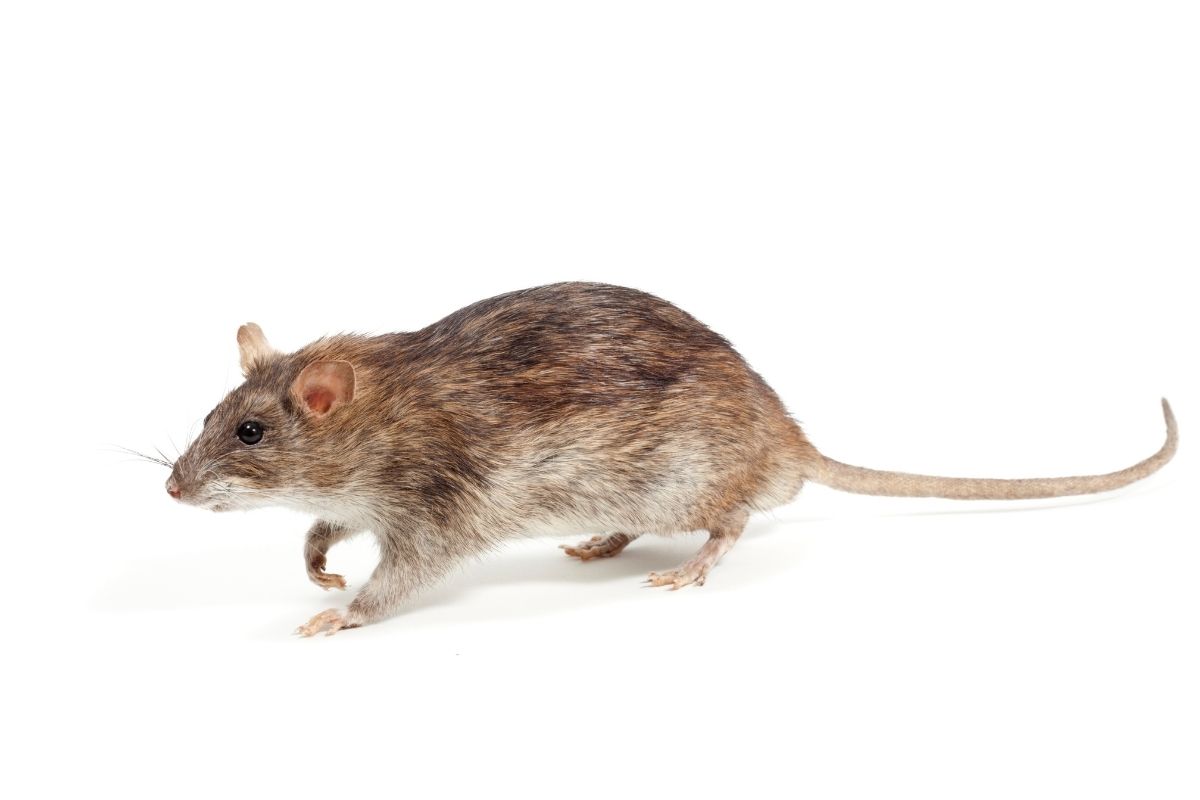
Washington DC Rats
In Washington, D.C., the two most common types of rats found in homes, businesses, and outdoor areas are the Norway rat (Rattus norvegicus) and the roof rat (Rattus rattus). Each of these rodents has distinct habits, behaviors, and preferred nesting environments that influence how infestations develop and spread across the city.
- Norway Rats (Brown Rats): Norway rats are by far the most widespread rat species in D.C. They are large, stocky rodents with blunt noses, small ears, and tails that are shorter than their bodies. These rats typically burrow in the ground, especially near foundations, basements, sewers, and alleyways. They prefer lower levels of buildings and are commonly found in urban environments with abundant trash, food waste, and standing water. Because of their burrowing nature, Norway rats often cause structural damage by digging under sidewalks, patios, and foundations.
- Roof Rats (Black Rats): Roof rats are less common than Norway rats in D.C. but are still present in certain neighborhoods, particularly in older or densely populated areas with mature trees and high-rise structures. They are slimmer, with pointed noses, larger ears, and tails longer than their bodies. True to their name, roof rats are excellent climbers that prefer nesting in attics, ceilings, walls, and upper levels of buildings. They are attracted to fruit trees, bird feeders, and cluttered storage spaces.
Because both major rat species thrive in D.C.’s mix of aging infrastructure, dense housing, and abundant food sources, our professional rodent control is often necessary to eliminate infestations fully and prevent future activity through exclusion, sanitation, and ongoing monitoring.
Washington DC Rat Removal
Getting rid of rats in Washington, D.C. is especially important due to the city’s dense population, aging infrastructure, and abundant sources of food and shelter that allow rat populations to thrive. The local environment and urban layout create ideal conditions for these rodents to spread disease, cause property damage, and pose serious health and sanitation risks. Here are some of the reasons rat control is particularly critical in the nation’s capital:
- High Public Health Risks: Rats in D.C. are known carriers of dangerous pathogens, including Leptospira (which causes leptospirosis), Salmonella, and Hantavirus. They can also harbor fleas and mites capable of transmitting secondary diseases. With the city’s close quarters and heavy foot traffic, contamination from rat droppings, urine, and nesting materials can quickly spread through shared spaces, food establishments, and public infrastructure.
- Severe Property and Infrastructure Damage: Washington’s older buildings, underground utility networks, and historic structures provide countless entry points and nesting opportunities. Rats gnaw through electrical wiring, insulation, and even water or gas lines, leading to fire hazards, flooding, and costly repairs. In neighborhoods with older row houses or connected basements, infestations can easily spread between properties.
- Urban Sanitation and Image Concerns: As a city with millions of residents, government buildings, and international visitors, maintaining public cleanliness and health standards is essential. Persistent rat infestations can harm D.C.’s reputation, undermine tourism, and create negative impressions of local businesses, restaurants, and public spaces.
- Rapid Reproduction and Population Growth: Rats reproduce extremely quickly—females can produce up to seven litters per year, each with multiple pups. Without prompt control, even a small infestation can grow exponentially, especially with the steady availability of trash and food waste across alleys, parks, and restaurant districts.
- Compliance with Local Regulations: The D.C. Department of Health actively enforces rodent control measures, and property owners can face citations for neglecting infestations or contributing to rodent harborage. Keeping rats under control isn’t just a matter of health—it’s a legal responsibility for residents and businesses alike.
Rat control in Washington, D.C. is vital to protecting public health, preserving property, and maintaining the city’s quality of life. Our ongoing, professional pest management is the most effective way to address infestations given the region’s complex infrastructure and high reinfestation potential.
Washington DC Rat Control
Hiring our professional rat control in Washington, D.C. is crucial because the city’s unique urban environment, dense population, and aging infrastructure make rat infestations both persistent and complex to eliminate. Our professional exterminators understand the specific challenges of rodent control in the District and have the expertise, equipment, and strategies needed to eradicate rats safely and effectively. Here are some of the reasons our professional help is the best option:
- Deep Knowledge of D.C.’s Rodent Behavior and Hotspots: Our local rat control professionals are familiar with the city’s most infestation-prone areas—such as alleyways, older neighborhoods, and buildings near restaurants or public transit. We understand how Norway rats and roof rats behave differently within D.C.’s environment, allowing us to target infestations more precisely and prevent the re-infestations that often occur when generic DIY methods are used.
- Safe and Effective Elimination Methods: Our professionals use advanced, regulated treatments that are both powerful and safe for use around homes, pets, and businesses. Unlike store-bought traps or poisons, which can be misused or ineffective, our licensed technicians apply targeted control measures—such as sealed bait stations, exclusion materials, and habitat modification—to address the root of the problem rather than just the visible signs.
- Thorough Inspection and Exclusion: In a city with many row homes, shared walls, and interconnected basements, finding and sealing every rat entry point is challenging. Our professionals perform comprehensive inspections to identify hidden burrows, wall voids, and access routes, then apply exclusion techniques to block them permanently. This step is especially crucial in D.C., where older structures and underground utility lines make re-infestations common.
- Prevention of Health and Safety Hazards: Rats in Washington, D.C. can carry serious diseases and cause electrical and structural damage that leads to fires, floods, or contamination. Our professional pest control ensures that infestations are resolved quickly and safely, protecting residents, employees, and customers from these health and safety risks.
- Compliance with Local Regulations and Sanitation Standards: D.C. property owners are legally responsible for keeping their properties free of rodent infestations. Our professional exterminators know local ordinances and can provide documentation that demonstrates compliance with the D.C. Department of Health’s pest control requirements—particularly important for landlords, restaurants, and commercial properties.
- Long-Term Monitoring and Maintenance: Our professional services don’t just eliminate existing infestations—we also provide ongoing monitoring, sanitation advice, and preventative maintenance. This proactive approach is essential in D.C., where constant construction, waste management challenges, and seasonal weather changes continuously attract rodents.
Our professional rat control in Washington, D.C. ensures complete, compliant, and lasting protection against a serious urban pest problem. Our local experts can eliminate active infestations, safeguard your property, and prevent future rodent activity far more effectively than DIY efforts.
Washington DC Rat Exterminators
Hiring our local exterminators to get rid of rats in Washington, D.C. offers several key advantages that national or non-local providers can’t match. Our local professionals understand the area’s unique rodent problems, neighborhood conditions, and environmental factors that drive infestations throughout the District. Our familiarity with D.C.’s layout, regulations, and housing styles allows them to deliver faster, more targeted, and more effective rat control. Here are some of the benefits:
- Expertise in Local Rat Behavior and Habitats: Our local exterminators have extensive experience dealing with the two main rat species in D.C.—Norway rats and roof rats—and know exactly where they thrive in the city’s urban environment. We understand how rats navigate the city’s alleys, sewers, basements, and green spaces, and tailor control strategies accordingly. This specialized knowledge leads to quicker identification of nesting sites and more efficient elimination.
- Familiarity with Washington D.C.’s Building Structures and Infrastructure: Many D.C. properties, especially historic row homes and older apartment buildings, have complex foundations and hidden entry points that make rat control challenging. Our local experts know the architecture and construction patterns common to the city, enabling us to locate and seal off access points more effectively than general pest control services that lack regional experience.
- Rapid Response and Personalized Service: Our local exterminators can respond to rat problems quickly—often the same day. This is particularly valuable in a city where rodent activity can escalate rapidly due to dense housing and heavy foot traffic. We also offer more personalized, ongoing service, ensuring that infestations are completely resolved and future issues are prevented.
- Knowledge of Local Regulations and Health Codes: Washington, D.C. has specific sanitation and pest control requirements enforced by the Department of Health. Our local exterminators are familiar with these regulations and can help homeowners, landlords, and businesses stay compliant, avoiding fines or health violations. We also know how to work within the city’s waste management and property maintenance systems to prevent re-infestation.
- Strong Community Accountability: Our local pest control companies relies on our reputation within the community, which translates to higher-quality service, transparent pricing, and long-term customer relationships. We have a vested interest in maintaining neighborhoods free of rodents because we live and work in the same area.
- Targeted, Environmentally Responsible Solutions: Because we understand local ecosystems and environmental conditions, our D.C.-based exterminators can use methods that effectively control rats while minimizing risks to residents, pets, and wildlife. Our strategies align with the city’s sustainability and public health goals, which emphasize safe and responsible pest management.
Hiring our local exterminators in Washington, D.C. ensures faster service, greater expertise, and long-term results rooted in an understanding of the city’s specific rodent challenges. Our community-based approach and familiarity with D.C.’s unique infrastructure make us the best choice for reliable, lasting rat control.
Washington DC Rat Prevention
Preventing rat infestations in Washington, D.C., requires a combination of sanitation, exclusion, and monitoring. Both home and business owners can take proactive measures to reduce the risk of rat problems:
Eliminate Food Sources
Rats are opportunistic feeders. Removing easy access to food is crucial.
- Proper garbage management: Use sealed trash bins with tight-fitting lids and remove garbage regularly.
- Secure compost and recycling: Keep compost bins rat-proof and ensure recyclables are rinsed and stored in sealed containers.
- Pet food management: Feed pets indoors when possible and store pet food in sealed containers.
- Avoid outdoor feeding: Bird feeders or fallen fruit should be monitored to prevent attracting rodents.
Remove Water Sources
Rats need water to survive, especially in urban areas:
- Fix leaks in pipes, faucets, or irrigation systems.
- Ensure outdoor drains do not create standing water.
- Regularly empty containers that can collect rainwater (buckets, planters, tarps).
Deny Shelter and Nesting Sites
Rats thrive in cluttered or sheltered spaces.
- Clear debris: Remove piles of wood, leaves, or construction materials near buildings.
- Store items properly: Keep storage areas elevated off the ground and away from walls.
- Seal outdoor structures: Rat-proof sheds, garages, and basements with metal or concrete barriers.
Seal Entry Points
Rats can squeeze through very small openings (as small as a quarter for Norway rats). Inspect and secure your property.
- Seal cracks and holes: Use steel wool, hardware cloth, or metal flashing around doors, windows, vents, and foundations.
- Repair damaged screens: Keep vents, attic openings, and chimneys covered with rat-proof mesh.
- Weather-strip doors: Ensure gaps at the bottom of doors are minimized.
Landscaping Management
Your yard or property layout can impact rat activity:
- Trim vegetation: Keep bushes, shrubs, and tree branches away from buildings.
- Maintain lawns: Avoid overgrown areas that provide cover.
- Elevate mulch: Avoid piling mulch against foundations; rats can nest in thick layers.
Regular Inspections and Monitoring
Early detection is key to preventing infestations from becoming serious.
- Check for droppings or gnaw marks: Look around food sources, storage areas, and basements.
- Use traps strategically: Snap traps, electronic traps, or monitored bait stations can help detect early activity.
- Work with our professionals: Our licensed pest control team in Washington, D.C., can conduct thorough inspections and provide ongoing monitoring.
Education and Awareness
Understanding rat behavior helps in prevention:
- Norway rats tend to burrow outdoors; roof rats prefer elevated areas such as attics and tree branches.
- Rats are nocturnal and often travel along walls and edges rather than open spaces.
In Washington, D.C., local regulations also impact how you handle rodent control. For example, there are rules about baiting, trapping, or disposal of rodents, especially in multi-unit buildings or near public spaces. Staying compliant while implementing these preventive measures ensures your property stays rat-free without legal complications.
DIY Rat Control In Washington DC
Attempting DIY rat control in Washington, D.C. often leads to frustration, wasted money, and recurring infestations because the city’s dense urban layout, aging infrastructure, and heavy rodent activity make rat management far more complex than most homeowners anticipate. While DIY traps and baits may seem like a quick fix, they rarely address the full extent of the problem or eliminate the underlying causes. Here are the main drawbacks of trying to handle rat control on your own in D.C.:
- Hidden Infestations Are Easily Overlooked: Rats in Washington, D.C. often nest deep within walls, crawl spaces, sewers, and connected basements between row homes. A few visible rats usually indicate a much larger hidden colony. DIY methods typically target the few rodents you can see, leaving the majority of the population untouched—and allowing the infestation to continue spreading.
- Limited Access to Professional-Grade Tools and Products: Most consumer-grade traps and poisons are weaker and less effective than the professional treatments used by our licensed exterminators. Without access to advanced baits, sealed bait stations, and exclusion materials, DIY attempts rarely eliminate infestations completely. In fact, rats can quickly become bait-shy or avoid poorly placed traps altogether.
- Safety and Health Risks: Handling rodenticides, dead rats, or contaminated nesting materials poses serious health hazards. Rats in D.C. are known carriers of Salmonella, Leptospira, and other harmful pathogens. Improper disposal or cleanup can expose residents to disease, especially in multi-unit housing or food establishments.
- Failure to Locate and Seal Entry Points: Because of the city’s aging infrastructure, rats can enter buildings through cracks in foundations, utility lines, sewers, or neighboring properties. Without professional inspection tools and expertise, homeowners often miss these access points, leading to reinfestations even after temporary success with traps or poison.
- Risk of Property Damage and Secondary Pests: Unaddressed rat activity can result in chewed wires, damaged insulation, and structural weakening. Dead rats trapped in walls can also create foul odors and attract secondary pests such as flies and beetles—issues that often require our professional removal and remediation.
- Wasted Time and Money: DIY methods might seem cheaper initially, but repeated failures, ongoing damage, and recurring infestations often cost more in the long run. Our professional exterminators identify the infestation’s source, treat it effectively the first time, and implement preventive measures that save money over time.
- Lack of Compliance with D.C. Regulations: The D.C. Department of Health holds property owners responsible for maintaining rodent-free conditions. DIY control efforts that fail to resolve infestations can result in citations or fines—especially for landlords, restaurant owners, or commercial property managers.
DIY rat control in Washington, D.C. tends to be ineffective, unsafe, and short-lived. Given the city’s persistent rodent pressure and structural challenges, hiring our professional exterminators ensures a complete, compliant, and lasting solution that protects both property and public health.
Learn more: How To Get Rid of Rats

Hear From Our Happy Customers
-
"Great Communication"
Tech was on time, communication was great, and he accommodated my needs.
- Alonzo W. -
"Wonderful Service"
Wonderful service. Jarvis is great. Took care of everything I needed. Thank you!
- Henry P. -
"Very Knowledgeable"
The tech that arrived was courteous, professional, and very knowledgeable. He was Great.
- Uerial I. -
"Fantastic & Patient"
Jarvis was fantastic and patient. He answered my questions with an in-depth explanation and addressed all of my areas of concern. Would love for him to be my assigned tech going forward. Well done!
- Yonnette M. -
"Professional & Considerate"
I’m pleased with Miche services. Jarvis came today. Professional and considerate. Thank you!
- Judy B. -
"Exceeds Expectations"
I can’t say enough positive things about this company... The tech that came out, Jarvis went above and beyond my expectations. Thank you guys, I will continue using your services.
- Jake M.