
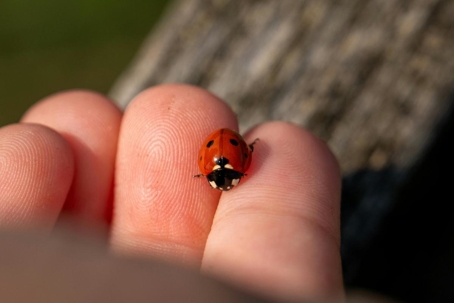
Can Ladybugs Bite?
Yes, ladybugs can bite people or pets, but it’s extremely rare and usually not harmful:
Ladybugs are relatively harmless, and these beetles are generally considered beneficial insects because they eat aphids and other unwanted garden pests.
They do not have strong mandibles for chewing, so any bite is usually minor and accidental, often when the insect is handled or feels threatened.
They are more likely to release a yellowish fluid from their legs (reflex bleeding) when stressed, which can irritate skin but is not toxic.
Ladybugs can bite, but it’s rare, superficial, and harmless in nearly all cases. The bigger concern with ladybugs is their tendency to aggregate indoors in large numbers, which can be a nuisance rather than a health risk.
Do Ladybugs Bite?
Ladybugs are very unlikely to bite, but certain situations can make it more probable—usually when the insect feels threatened or is handled roughly:
Do Ladybugs Bite Humans?
Handling or Crushing: If you or a pet pick up or squeeze a ladybug, it may try to bite as a defensive reaction. This is rare because their mandibles are small, so bites are usually superficial or just feel like a tiny pinch.
Feeling Threatened: Ladybugs may bite if they are trapped between fingers, clothing, or under a pet’s paw. They also secrete a yellowish fluid (reflex bleeding) when stressed, which can irritate skin.
Indoor Encounters: Some species, like the Asian lady beetle, are more likely to enter homes and congregate in large numbers. Handling or disturbing clusters of Asian lady beetles can trigger defensive bites or secretions.
Do Ladybugs Bite Pets?
Pets Investigating Ladybugs: Curious dogs or cats may try to bite or eat a ladybug. The bite itself is harmless, but swallowing large numbers, especially Asian lady beetles, could cause mild stomach upset.
Ladybug bites are extremely rare and rarely break the skin. The “bite” is usually a minor pinch, often unnoticed. The main defensive behavior is reflex bleeding, which is more irritating than painful. Risk to pets is minimal unless they eat many ladybugs at once.
Do Ladybugs Bite At Night?
If someone notices a bite at night and suspects a ladybug, it is more likely caused by another insect such as bedbugs, mosquitoes, or fleas. These insects are nocturnal, feed on human blood, and can leave itchy, red bumps, whereas ladybugs are not active feeders on humans and rarely bite.
Do Ladybugs Sting?
No, ladybugs do not sting. They lack stingers and cannot inject venom like bees or wasps. Any discomfort from a ladybug is usually caused by a bite, which is typically mild and more irritating than painful.
Ladybug Bites
Ladybug bites are generally low-risk, but it’s helpful to understand the possible effects and situations where minor issues could arise:
Do Ladybug Bites Cause Irritation?
Ladybug bites can cause localized irritation. This is usually minor, presenting as a small, itchy bump:
Redness: Ladybug bites often cause localized redness around the bite site due to minor inflammation. This is typically mild and short-lived.
Rash or Skin Irritation: In sensitive individuals, small patches of rash or minor irritation can appear around the bite, particularly if the bite is scratched or exposed to irritants.
Blistering (Rare): In very rare cases, a more sensitive reaction may produce small blisters at the bite site, usually resolving without intervention.
Excessive scratching can lead to secondary bacterial infections.
Do Ladybug Bites Itch?
Yes, ladybug bites can cause mild itching. Typically, the bite results in a small, red, raised bump that may be slightly irritated. The itching is usually minor and short-lived, but excessive scratching can increase irritation or risk of infection. Some people may also experience mild swelling or redness around the bite.
Do Ladybug Bites Hurt?
Ladybug bites are generally not painful. Most people only notice a slight pinch or mild discomfort at the bite site. Any redness or swelling that develops is usually minor, and significant pain is rare. The sensation is typically more itchy than painful.
Can Ladybug Bites Cause An Allergic Reaction?
Some individuals may develop mild to moderate allergic reactions to ladybug bites:
Mild Local Allergic Reactions: Ladybug bites can cause localized allergic reactions in some individuals. This typically presents as redness, swelling, itching, or a small raised bump at the bite site.
Moderate Reactions: In more sensitive individuals, the bite may lead to larger areas of swelling, more intense itching, and hives around the affected area.
Severe Allergic Reactions (Rare): Although uncommon, some people may experience systemic allergic responses, including widespread hives, swelling of the face or lips, difficulty breathing, or anaphylaxis. Immediate medical attention is required in such cases.
Reaction to Defensive Chemicals: Certain ladybug species, such as the Asian lady beetle, secrete hemolymph as a defense mechanism. Contact with this substance after a bite can exacerbate allergic symptoms, including itching, redness, and minor rashes.
Exacerbation of Preexisting Allergies: Individuals with other insect allergies or sensitive skin conditions may experience stronger reactions or prolonged irritation from a ladybug bite.
People with preexisting insect allergies may experience more pronounced reactions.
Can Ladybug Bites Spread Diseases?
Ladybug bites are not known to spread diseases to humans. Unlike mosquitoes or ticks, ladybugs do not act as vectors for pathogens that cause serious illnesses. The main concern from a bite is minor irritation, itching, or a mild allergic reaction rather than disease transmission.
Can Ladybug Bites Get Infected?
Any insect bite carries a minor risk of secondary infection if the skin is broken due to scratching:
Environmental Pathogens: If the bite occurs after contact with soil, plants, or contaminated surfaces, bacteria from the environment could potentially infect the site, though this is uncommon.
Staphylococcus Bacteria: The most common source of secondary infection from any minor skin break, including ladybug bites, is Staphylococcus aureus. This can cause localized redness, warmth, pus formation, and increased pain.
Streptococcus Bacteria: Less commonly, Streptococcus species can infect bite sites, potentially leading to cellulitis, characterized by spreading redness, swelling, and tenderness.
Skin Flora Opportunists: Normal bacteria on the skin, such as Corynebacterium or Propionibacterium species, can opportunistically infect the bite if the skin barrier is broken and hygiene is poor.
Fungal Contamination: Though rare, open or scratched bites in moist environments can become colonized by superficial fungi, leading to mild irritation or secondary infection.
Signs of infection include pus, increased redness, warmth, and pain. Prompt cleaning and antiseptic application are recommended to mitigate this risk.
Do Ladybug Bites Cause Anxiety?
For most people, a ladybug bite may cause minor worry or unease, especially if they are unfamiliar with the insect or concerned about skin reactions.
Heightened Vigilance: Some individuals may become more alert to the presence of insects in their environment, leading to temporary hyper-awareness or cautious behavior to avoid further bites.
Phobic Reactions: People with entomophobia (fear of insects) may experience intensified fear, panic, or distress after being bitten, even if the bite itself is harmless.
Irritation or Frustration: Recurrent bites or itching can lead to annoyance, irritability, or distraction, particularly if the bite affects daily activities.
Obsessive Monitoring of Symptoms: Individuals prone to health anxiety may excessively monitor the bite site for signs of infection or allergic reaction, causing stress or heightened concern.
Temporary Sleep Disruption: Mild itching or discomfort from the bite can interfere with sleep, especially in sensitive individuals, leading to short-term fatigue or irritability.
In most cases, ladybug bites do not cause lasting psychological effects; any emotional or cognitive responses are short-lived and resolve as the bite heals.
What Do Ladybug Bites Look Like?
Ladybug bites are extremely rare and usually minor. When they do occur, here’s what they typically look like:
Ladybug Bite Symptoms
Size and Shape: Very small, often pinprick-sized. Usually circular or slightly raised.
Color: Can appear red or pink at the site of the bite. If the ladybug’s defensive fluid (reflex bleeding) contacts the skin, there may be a yellowish or orange tint around the area.
Texture and Sensation: Mildly raised or bumpy in some cases. Slight itching or tenderness is possible, but pain is minimal.
Do Ladybug Bites Swell?
Yes, ladybug bites can cause mild swelling. The area around the bite may become slightly raised and red, but the swelling is usually small and short-lived, resolving on its own without treatment.
How Long Do Ladybug Bites Last?
Ladybug bites are generally short-lived and typically resolve within a few hours to a couple of days. Mild redness, itching, or swelling usually subsides on its own, though persistent scratching or irritation can slightly extend the healing time. Severe reactions are rare but may last longer and require medical attention.
What To Do About Ladybug Bites
If you are bitten by a ladybug, the good news is that the bite is usually minor and harmless. Here’s what to do about it:
Clean the Bite Area: Wash the affected skin with mild soap and lukewarm water to remove any bacteria or irritants and reduce the risk of infection.
Apply a Cold Compress: Use a cold pack or a clean, damp cloth on the bite for 5–10 minutes to help reduce swelling and soothe itching.
Use Topical Treatments: Apply an over-the-counter anti-itch cream or lotion, such as hydrocortisone or calamine, to relieve itching and irritation.
Avoid Scratching: Refrain from scratching the bite, as this can worsen irritation and increase the risk of secondary infection.
Take Oral Antihistamines if Needed: If itching is significant, an oral antihistamine can help alleviate discomfort, especially for individuals prone to mild allergic reactions.
Monitor for Allergic Reactions: Watch for signs of a more serious reaction, such as widespread hives, difficulty breathing, or swelling of the face or throat. Seek immediate medical attention if these occur.
Keep the Area Clean and Dry: Continue to wash the area gently and keep it covered if necessary to prevent contamination and promote healing.
Seek Medical Advice for Persistent Symptoms: If swelling, redness, or pain increases or signs of infection develop (pus, warmth, or spreading redness), consult a healthcare professional promptly.
Reduce Ladybug Populations: Taking steps to get rid of ladybugs will reduce their populations, decreasing the chances of future ladybug bites. For professional assistance with ladybugs, contact our team of pest control experts today!
Most ladybug bites require nothing more than cleaning and monitoring. They are not venomous and rarely cause complications.