
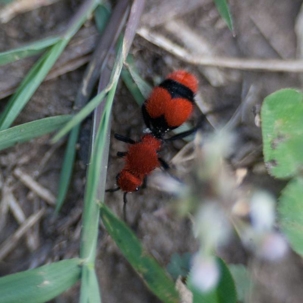
Can Velvet Ants Sting?
Yes, velvet ants can sting—and their sting is notoriously painful. Despite their name, velvet ants are not true ants but actually wingless wasps belonging to the family Mutillidae. The females, which are the fuzzy, ant-like ones people usually encounter, are capable of delivering a potent sting with their long stinger (which is actually a modified ovipositor). Males, on the other hand, have wings and cannot sting.
The sting of a velvet ant, especially species like the famous “cow killer” (Dasymutilla occidentalis), is extremely painful. It’s typically described as feeling like an intense electric shock or burn.
Do Velvet Ants Sting?
Velvet ants are most likely to sting when they feel directly threatened, cornered, or handled. Unlike many aggressive wasps or ants, velvet ants are solitary and non-confrontational by nature. They do not sting to defend a colony—since they don’t live in one—but will sting purely in self-defense. Here are the most common situations that lead to stings:
Handling or Touching Them: The majority of stings occur when someone picks up a velvet ant or accidentally presses one against their skin. Their bright, fuzzy coloration is a warning signal (aposematism) that they can sting, but people sometimes mistake them for harmless ants or fuzzy insects and attempt to touch them.
Stepping or Sitting on One: Because females are wingless and crawl along the ground, stings can happen when a person steps barefoot or sits in an area where a velvet ant is present—especially in sandy soils, lawns, or open fields.
Disturbing Their Habitat: Velvet ants often roam in dry, sandy areas looking for ground-nesting bees or wasps, whose nests they parasitize. Stings may occur if their foraging area is disturbed—such as during landscaping, mowing, or gardening.
Pets Interacting with Them: Dogs and cats sometimes attempt to paw at, bite, or play with velvet ants. The insect will respond defensively with a sting, often on the paw, nose, or mouth.
Velvet ants do not seek to sting—but they will not hesitate if touched, trapped, or provoked. Their sting is purely defensive and serves as a warning to leave them alone.
Velvet Ant Stings
Velvet ant stings are among the most painful of all insect stings, often ranking near the top of the Schmidt Sting Pain Index—a scale that measures sting intensity based on human experience. The pain is described as sharp, intense, and long-lasting, earning the “cow killer” (Dasymutilla occidentalis) its dramatic nickname because its sting is said to be “strong enough to kill a cow” (though that’s an exaggeration). Here’s what you can expect in terms of severity:
Pain Level: The sting causes immediate, excruciating pain that can feel like a searing burn or an electric shock. The intensity is often compared to, or even exceeding, that of a hornet or tarantula hawk wasp sting.
Duration: The pain usually peaks within the first few minutes but can linger for 30 minutes to over an hour. Some people report residual soreness or sensitivity for a day or two afterward.
Localized Symptoms: Redness, swelling, and a firm welt are common around the sting site. In rare cases, the skin may develop a small blister or localized allergic reaction.
Systemic Reactions (Rare): Most people only experience localized pain. However, individuals allergic to insect venom may suffer more serious symptoms like widespread swelling, hives, dizziness, or difficulty breathing—requiring immediate medical attention.
Despite their powerful sting, velvet ants are not aggressive and pose little real danger to humans or pets unless provoked. They deliver their sting only as a last resort when physically restrained or threatened.
What Do Velvet Ant Stings Look Like?
Velvet ant stings, delivered by the females (which are actually wingless wasps), can cause dramatic skin reactions. Here’s what velvet ant stings typically look like and how they progress:
Immediate Appearance: The sting site develops a small, pinpoint puncture mark where the stinger entered. Within seconds, intense burning pain begins, often described as sharp, electric, or “instant fire.”
Redness and Swelling: The surrounding area quickly becomes red, swollen, and warm to the touch. The redness can expand to the size of a quarter or larger, depending on sensitivity and venom amount. Some people experience raised welts or firm, tender bumps at the sting site.
Over Time (30 minutes–24 hours): The pain usually peaks within the first 15–30 minutes, but tenderness and itching may last several hours or even a day. In more sensitive individuals, significant swelling, localized heat, and redness can persist for 1–2 days. In rare cases, blistering or minor necrosis (tissue damage) can occur, especially if the site is scratched or irritated.
Healing Phase: The sting site typically scabs or forms a small crust if blisters appeared. Full healing usually occurs within a few days to a week, leaving behind mild discoloration or a small scab.
What To Do About Velvet Ant Stings
If you get stung by a velvet ant, it’s important to act quickly to manage the pain and prevent complications. Although their sting is extremely painful, it’s rarely dangerous unless you have an allergy to insect venom. Here’s what to do:
Move to a safe area: Velvet ants don’t usually sting more than once, but it’s best to step away to avoid further contact—especially if you’ve stumbled across several of them in sandy or grassy areas.
Clean the sting site: Wash the area thoroughly with soap and cool water to remove any dirt or bacteria and reduce the risk of infection.
Apply a cold compress: Use an ice pack or a clean, cold cloth on the sting for 10–15 minutes at a time. This helps reduce pain, swelling, and redness.
Take pain relief or anti-inflammatories: Over-the-counter medications such as ibuprofen (Advil) or acetaminophen (Tylenol) can help with pain, while an antihistamine (like Benadryl) can reduce itching or swelling.
Avoid scratching or pressing the sting site: Scratching increases irritation and raises the risk of secondary infection. If itching persists, use a topical hydrocortisone cream or calamine lotion to soothe the skin.
Monitor for allergic reactions: While severe allergic reactions to velvet ant stings are uncommon, seek emergency medical attention immediately if you experience difficulty breathing or swallowing, swelling of the lips, tongue, or throat, dizziness, fainting, or rapid heartbeat, or widespread hives or severe swelling.
- Watch for signs of infection: If redness spreads, pus develops, or pain worsens after 24–48 hours, see a healthcare provider. These may indicate a bacterial infection requiring medical treatment.
Most velvet ant stings can be managed with basic first aid and pain relief, but it’s crucial to monitor your body’s reaction closely—especially if you have a known sensitivity to insect venom.