
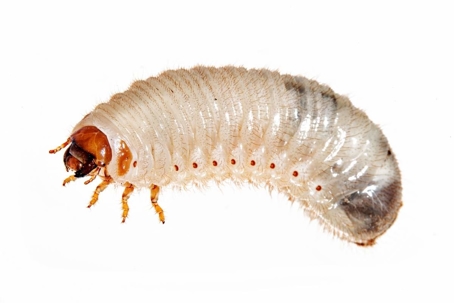
Can Grubs Bite?
No, grubs cannot bite people. These larvae—commonly the immature stages of beetles such as Japanese beetles, June beetles, and chafers—have chewing mouthparts designed for feeding on organic material and plant roots, not for piercing or breaking human skin.
When handled, a large grub might move its mandibles as a reflex or defensive reaction, which can feel like a soft pinch, but it’s not capable of an actual bite. Grubs lack the strength and anatomical structure to penetrate skin or cause injury.
If someone experiences redness, itching, or irritation after handling soil with grubs, it’s far more likely due to contact with soil bacteria, mild allergic reactions, or misidentification with other insects (like wireworms or centipedes) that can bite.
Do Grubs Bite?
Grubs — the larval stage of beetles such as June beetles, Japanese beetles, and chafer beetles — are not aggressive and do not typically bite people or pets. They are soil-dwelling feeders that primarily consume organic matter and plant roots. However, there are a few uncommon situations in which a person or pet might experience a “bite-like” sensation or irritation linked to grubs:
Accidental handling: When disturbed, some larger grubs may attempt to defend themselves by using their mandibles to grasp or pinch. This is not a true bite and rarely breaks the skin, but it can cause a mild pinch or discomfort if the grub is handled roughly or trapped against the skin.
Misidentification with other soil insects: People often confuse grubs with soil-dwelling larvae that can bite or sting, such as wireworms, centipedes, or certain beetle larvae with stronger jaws. In these cases, the discomfort might come from a different species rather than the grub itself.
Pets digging or rooting in soil: Dogs or other animals that dig in infested lawns may encounter grubs. While the grubs don’t bite in defense, pets may experience irritation from soil bacteria or contact with decaying organic matter, which can sometimes be mistaken for a bite reaction.
Secondary skin irritation: In rare instances, handling soil with high organic content or decomposing grubs can expose skin to bacteria or mild allergens, leading to redness or itching that some people mistake for insect bites.
Grubs do not actively or intentionally bite people or animals. Any discomfort associated with them usually results from accidental contact, misidentification, or irritation from environmental factors rather than true biting behavior.
Grub Bites
Grubs, in the sense of beetle larvae, do not actually bite humans or pets, so there are no true “grub bite” risks. Any minor pinching sensation from a large grub’s mandibles is superficial and incapable of breaking skin. Therefore, there are no direct medical risks from a grub bite. However, a few indirect risks related to handling grubs or infested soil could occur:
Skin irritation or allergic reaction: Handling soil that contains grubs or decaying organic matter may cause mild redness, itching, or rash in sensitive individuals. This is a reaction to soil microbes or allergens, not a bite.
Infection from broken skin: If you have open cuts or scratches while working in grub-infested soil, bacteria present in the soil could theoretically cause infection. Again, this is environmental, not from a grub bite.
Misidentification risk: Some people may confuse grubs with other soil-dwelling larvae or insects capable of biting, such as wireworms, centipedes, or beetle larvae with stronger mandibles. Those species can cause minor bites, but grubs themselves do not.
Secondary irritation to pets: Dogs or other animals digging in grub-infested soil may develop mild skin irritation from soil or microbial exposure. This is not due to actual bites.
There are no inherent medical risks from grubs because they cannot bite. Any discomfort or skin reaction comes from environmental contact or confusion with other insects.
What Do Grub Bites Look Like?
Since grubs cannot actually bite humans or pets, there are no true grub bite marks. Any skin irritation attributed to “grub bites” is almost always due to secondary causes, such as minor scratches from handling soil, allergic reactions, or misidentification of other insects. If someone reports “grub bites,” what they are likely seeing are:
Redness or small bumps: Mild irritation from contact with soil, decaying plant material, or grub excrement. These may appear as tiny raised spots or patches of pink skin.
Itching or rash: A reaction to bacteria, fungi, or allergens in the soil, which can look similar to a bug bite.
Scratches or abrasions: From digging or accidentally pinching the skin while handling grubs or lawn debris.
True bite marks from grubs do not exist. Any marks or irritation are environmental or allergic in nature, not from the grub itself.
What To Do About Grub Bites
If you believe you’ve been “bitten” by grubs, the first thing to recognize is that grubs cannot actually bite people or pets. Any skin irritation is likely from contact with soil, decaying plant matter, or a different insect. That said, you can take steps to care for your skin and prevent infection:
Clean the area thoroughly: Wash the affected skin with soap and warm water to remove soil, debris, and any potential allergens or bacteria.
Apply a soothing treatment: Use an over-the-counter anti-itch cream (like hydrocortisone) or an oral antihistamine if there is redness, itching, or mild swelling.
Avoid scratching: Scratching can worsen irritation or introduce bacteria into the skin.
Monitor for infection: Watch for signs such as increased redness, warmth, swelling, pus, or pain. If any of these develop, consult a healthcare professional.
Identify the cause: If possible, check whether another insect or soil-dwelling larva may have caused the irritation, since grubs themselves are harmless to humans.
Prevent future contact: Wear gloves when handling soil or digging in lawns, and wash hands and exposed skin afterward.
There is no need for worry—grubs do not bite or transmit disease. Any reaction is minor, environmental, or due to other insects, and basic cleaning and soothing treatments are sufficient.