
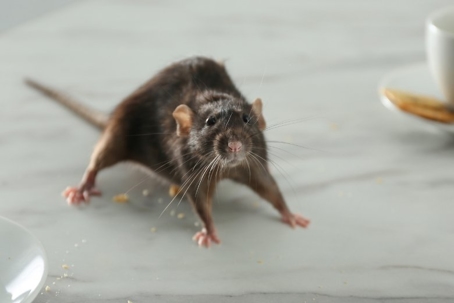
Rat Infestations
A rat infestation poses serious health, structural, and safety risks to both residential and commercial properties. Rats are far more than a nuisance — these rodents are destructive, unsanitary, and can quickly multiply if not controlled. Here are some of the risks associated with a rat infestation:
- Property and Structural Damage: Rats have continuously growing teeth and must gnaw to keep them trimmed. They often chew through wood, insulation, drywall, and even electrical wiring. This behavior can result in costly repairs, weakened structural integrity, and reduced energy efficiency due to damaged insulation or ductwork.
- Damage to Vehicles and Equipment: Rats often nest in vehicles, garages, or machinery, especially during colder months. They chew through wiring, insulation, and hoses under the hood of cars, trucks, or farm equipment, causing expensive mechanical failures and potential safety hazards.
- Fire Hazards: One of the most dangerous risks of a rat infestation is fire. When rats chew through electrical wiring, they can expose live wires, which can easily spark and ignite nearby combustible materials, leading to electrical fires.
- Fire Suppression and Alarm System Damage: Rats may gnaw through sensor wires, alarm cables, or sprinkler components, impairing fire detection or suppression systems. This compromises safety and can lead to insurance complications or violations of safety codes.
- Water Damage and Plumbing Issues: Rats frequently chew through plastic and even soft metal pipes in search of water. This can cause leaks, flooding, and water contamination. Over time, these issues may lead to mold growth, structural rot, and costly plumbing repairs.
- Contamination of HVAC Systems: Rats sometimes build nests inside HVAC ducts or insulation. This can spread contaminated dust, dander, and urine particles throughout the building, leading to poor air quality and potential health hazards for occupants.
- Disease Transmission: Rats are known carriers of numerous diseases that can spread to humans and pets through direct contact, contaminated food, or exposure to rat urine and droppings. Common rat-borne diseases include leptospirosis, salmonellosis, hantavirus, and rat-bite fever. Their presence also increases the risk of secondary pest infestations such as fleas, ticks, and mites, which can spread additional pathogens.
- Allergies and Respiratory Issues: Rat droppings, urine, and shed hair can contribute to poor indoor air quality. Over time, these contaminants can trigger allergic reactions or asthma symptoms, especially in sensitive individuals.
- Psychological and Emotional Stress: Living or working in an infested environment can cause significant anxiety, sleep disruption, and stress. The noise of scratching or scurrying at night, foul odors, or the sight of droppings can lead to constant unease and discomfort. In workplaces, infestations can reduce morale and productivity.
- Food Contamination and Loss: Rats will chew through packaging to access stored food in pantries, warehouses, or restaurants. Their droppings, urine, and hair contaminate food supplies and preparation surfaces, making them unsafe to consume. This contamination can lead to food poisoning and significant product loss, especially in commercial food-handling facilities.
- Loss of Stored Goods and Inventory: Rats frequently nest in storage areas such as attics, basements, and warehouses, where they contaminate or destroy stored goods — including clothing, documents, furniture, and packaged merchandise. In commercial settings, this leads to financial losses and operational disruption.
- Reputation and Business Impact: For businesses, especially those in the food service, hospitality, or healthcare industries, even a single sighting of a rat can damage reputation, violate health codes, and result in fines or closure. Public perception of uncleanliness can cause long-term harm to customer trust and brand image.
- Landscape and Garden Destruction: Outdoors, rats can burrow extensively around foundations, gardens, and lawns. Their tunneling weakens soil stability, uproots plants, damages irrigation systems, and can undermine patios or walkways. In agricultural or garden settings, they may consume crops or stored seeds.
- Legal and Compliance Issues: For businesses, especially those under health or safety regulations (restaurants, hospitals, food processors, etc.), a rat infestation can result in code violations, failed inspections, legal liability, and potential lawsuits if contamination leads to illness or injury.
- Insurance and Financial Implications: Many insurance policies exclude rodent-related damage, meaning that repair costs, business interruptions, and losses from contamination may not be covered. This can lead to significant out-of-pocket expenses for property owners.
- Rapid Reproduction and Population Growth: Rats reproduce quickly — a single pair can lead to hundreds of offspring within a year. This rapid growth makes infestations escalate quickly, compounding the risks above and making control much more difficult and expensive over time.
- Long-Term Infestation Risks: Even after removal, lingering contamination — such as dried droppings, nesting materials, and urine odor — can attract other pests or pose respiratory risks if not properly cleaned and sanitized. In extreme cases, structural materials may need replacement to fully restore safety.
A rat infestation endangers health, damages property, threatens safety, and can have lasting financial and reputational consequences. Swiftly hiring our professional pest control team is essential to eliminate the infestation, identify entry points, and prevent recurrence.