
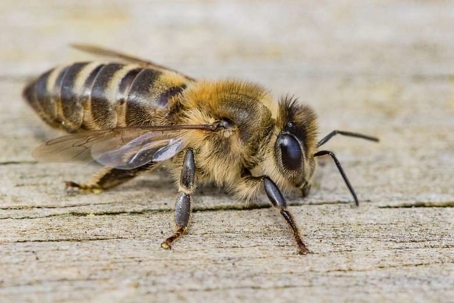
Honey Bee Damage
While honey bees are beneficial pollinators and vital to agriculture, their presence in or around homes and businesses can lead to a range of costly and potentially dangerous issues. Here’s a look at the types of damage honey bees can cause:
Structural Damage
When honey bees establish a colony inside walls, attics, eaves, or other voids, they build intricate honeycombs that can cause structural problems over time.
Wax and honey buildup: The weight of the hive can compromise drywall, insulation, or ceilings. A mature hive can weigh over 100 pounds.
Melting honey: In hot weather, honey can melt and seep through walls, ceilings, and insulation, causing sticky stains and attracting other pests such as ants, cockroaches, and rodents.
Residual odor: Even after the bees are removed, leftover honey and wax produce lingering odors that draw in new swarms.
Property and Aesthetic Damage
Honey bee colonies can leave unsightly dark stains around entry points, such as soffits, siding cracks, or roof vents, caused by wax, propolis (bee glue), and foot traffic from thousands of bees. Outdoor furniture, signage, and landscaping features near a hive may also be soiled by bee droppings or wax residue.
Electrical and Mechanical Damage
Bees sometimes nest near or inside electrical boxes, meters, or equipment enclosures where warmth and protection appeal to them. The wax and moisture from the hive can corrode wiring or cause short circuits—posing fire risks and costly repair needs for property owners.
Safety Hazards
Large colonies can pose a serious stinging risk to employees, customers, and residents. Disturbing a hive, even accidentally, can trigger aggressive defensive behavior. For businesses, this raises liability concerns, especially if someone is allergic to bee venom. Repeated stinging incidents can also harm brand reputation and customer comfort.
Secondary Pest Problems
Abandoned hives or those treated improperly can quickly attract wax moths, carpet beetles, ants, cockroaches, and rodents, all drawn to the honey, wax, and debris left behind. This secondary infestation can make cleanup far more complicated and expensive.
Honey bees nesting in or near structures can cause significant structural, electrical, and safety hazards if not handled promptly. Their removal should always be done professionally—ideally by our pest control experts or a qualified beekeeper—so the bees can be relocated humanely while protecting the property.
What Does Honey Bee Damage Look Like?
Honey bee damage can vary depending on how long the colony has been active and where it’s located, but there are several clear visual and environmental signs that indicate a problem. Here is what honey bee damage typically looks like in homes and businesses:
Structural Damage Signs
Dark stains or sticky residue on walls or ceilings: These are often caused by honey seeping through drywall or plaster from an active or abandoned hive. The stains may appear yellowish-brown and can feel tacky to the touch.
Sagging walls, ceilings, or soffits: A large hive can weigh hundreds of pounds, causing building materials to bulge or sag under the weight of the comb and honey.
Soft or warped drywall: Honey and wax saturation can weaken building materials, leading to soft spots, warping, or even collapse.
Visible entry points: Bees often enter through small gaps near rooflines, vents, soffits, chimneys, or wall voids. You may notice constant bee traffic in and out of a specific crack or hole.
Residual Hive Material
Wax comb remnants: When walls or voids are opened, you may see pale yellow to dark brown honeycomb structures built between studs, rafters, or insulation.
Propolis buildup: Bees use a resin-like substance called propolis (bee glue) to seal gaps. It leaves behind sticky, dark patches that can be difficult to remove.
Odors: An active hive produces a sweet, warm, honey-like scent, while a dead or abandoned one often emits a strong, sour odor from decaying honey and wax.
Stains and Debris Outside the Structure
Black or brown smudges: Around entry holes, these marks result from the bees’ frequent comings and goings.
Droppings or residue on siding, windows, and outdoor fixtures: Bee droppings appear as small yellow or brown spots, often mistaken for pollen or dirt.
Secondary Damage Indicators
Increased pest activity: Ants, cockroaches, carpet beetles, or rodents may be drawn to honey or wax left behind by bees.
Mold growth: Moisture from honey or decaying hive material can lead to mildew or mold inside walls and ceilings.
Noise inside walls: In some cases, you may hear a low, buzzing or humming sound behind walls or near ceilings—especially on warm days.
Honey bee damage often appears as sticky stains, warping drywall, and dark smudges near entry points, but may also include odors, secondary infestations, and structural weakness. Identifying these signs early is critical, as established hives can cause significant cleanup costs and repairs if not handled quickly by professionals.
Where Is Honey Bee Damage Found?
Honey bee damage is most often found in areas of a home or business that provide warmth, shelter, and limited human disturbance. These locations typically offer small entry points leading to enclosed cavities—ideal for hive construction and colony growth. Here is where honey bee damage is most likely to occur:
Roof and Attic Areas
Eaves, soffits, and roof voids: These are some of the most common nesting areas, as they provide easy access from outside and plenty of protected space for hive expansion.
Under roof shingles or tiles: Bees can slip under loose shingles and build comb in the warm space beneath.
Attics: Once inside, bees can establish large hives between rafters or under insulation, leading to honey seepage through ceilings and strong odors.
Wall Voids and Siding
Behind exterior walls: Honey bees often enter through cracks, vents, or openings around windows, siding, or brickwork. Wall voids offer insulation and protection from weather, making them ideal hive sites.
Inside hollow walls or between studs: Damage here may not be immediately visible but can result in sticky walls, warped drywall, or honey stains as the colony grows.
Chimneys and Vents
Chimneys: Bees are attracted to the warmth and shelter of chimney cavities, particularly unused ones. They can build hives inside flues or just above dampers.
Air vents, exhaust vents, and dryer ducts: The airflow and warmth make these areas appealing to scout bees searching for new nesting sites.
Crawl Spaces and Floor Voids
Under floors or inside crawl spaces: Bees sometimes enter through cracks in the foundation or gaps in skirting. Over time, honey leakage and wax buildup can damage insulation or attract secondary pests.
Exterior Structures
Sheds, garages, and barns: These areas are quiet, warm, and often contain exposed wood or cavities suitable for hive building.
Fencing, retaining walls, and stone features: Bees may nest in gaps within wooden fencing or the crevices of stone walls.
Outdoor signage or decorative features: In commercial settings, bees occasionally nest inside hollow signs or light fixtures.
Commercial and Industrial Properties
Wall or roof cavities near HVAC systems or electrical panels: The vibration and warmth can attract bees, creating dangerous situations for maintenance staff.
False ceilings and mechanical rooms: These spaces often go unchecked for long periods, allowing colonies to thrive unnoticed.
You are most likely to find honey bee damage in rooflines, wall voids, attics, and chimneys—places that provide warmth, protection, and minimal disturbance. Early detection is critical, as hidden hives can expand quickly and lead to costly repairs, safety hazards, and persistent reinfestations if not professionally removed.