
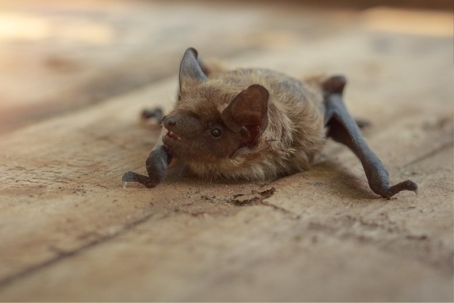
Bat Damage
Bats are fascinating creatures and play a crucial role in ecosystems, especially in controlling insect populations. However, when they take up residence in or around human structures, they can cause a range of damage that can be both structural and health-related:
Structural Damage
Guano accumulation: Bat droppings (guano) can accumulate in attics, barns, or other enclosed spaces. Guano is acidic, and over time, it can damage wood, insulation, and paint.
Urine staining: Bat urine can discolor walls, ceilings, and insulation, leading to unpleasant odors and potential corrosion of metal fixtures.
Nesting materials: Some bats may bring in debris or nesting material, which can clog vents or chimneys.
Physical damage to insulation and wiring: Bats often roost in attics, where they can tear or displace insulation. In some cases, their urine and feces can cause electrical wiring to degrade, creating a potential fire hazard.
Health Risks
Histoplasmosis: This is a respiratory disease caused by a fungus that grows on bat guano. Inhalation of fungal spores can cause flu-like symptoms, and in rare cases, severe lung issues.
Rabies: While not all bats carry rabies, bats are a known vector of rabies. Any bite or direct contact with a bat should be treated seriously.
Parasites: Bats can carry mites, ticks, and fleas that may transfer to humans or pets.
Indirect Damage
Noise: Bat colonies in attics or walls can create noticeable noise at night, disrupting sleep.
Odor: Large bat colonies can produce a strong ammonia-like smell from accumulated urine and guano.
Attracting other pests: The presence of guano can attract insects such as beetles or flies, which may cause additional infestations.
While bats are important for controlling insects, their presence in human structures can lead to structural damage, health risks, and secondary infestations. If you suspect a bat infestation, our professional removal is usually the safest and most effective approach because we ensure humane exclusion, prevent further damage, and address health risks.
What Does Bat Damage Look Like?
Bat damage can be subtle at first, but there are distinct signs that indicate the presence of bats in or around your property:
Guano (Bat Droppings)
Appearance: Small, dark, cylindrical droppings, often with a shiny or crumbly texture. They can break apart easily and may look similar to rodent droppings but are generally smaller and more uniform.
Accumulation: Large piles may appear under roosting areas, especially in attics, wall voids, or under eaves. Over time, guano can stain floors, insulation, and ceilings.
Secondary effects: Guano has high nitrogen content, which can damage wood and insulation if left untreated. It may also attract insects like beetles and flies.
Urine Stains and Odor
Stains: Light yellow to brown streaks on walls, beams, or insulation where bats roost.
Odor: A strong ammonia-like smell often develops in areas with long-term infestations. This odor can permeate insulation and ceiling boards.
Physical Damage to Insulation and Wood
Insulation: Torn, compressed, or soiled insulation in attics is a common sign. Bats may pack nesting material into insulation spaces.
Wood damage: While bats don’t chew wood like rodents, prolonged contact with guano and urine can weaken or stain beams, rafters, or floorboards.
Entry Points
Small gaps or cracks: Look for 1–2 inch openings around rooflines, vents, chimneys, or soffits. Bats squeeze through tiny spaces that humans might overlook.
Worn edges: Frequent entry and exit can cause slight wear around openings.
Noise and Movement
Sounds: High-pitched squeaks or rustling in the attic, especially around dusk or dawn.
Flying shadows: During emergence at night, you might see bats flying out of your eaves, vents, or chimneys.
Secondary Pest Signs
Insects: Beetles and flies are attracted to accumulated guano.
Bird or rodent interactions: Other pests may move in, drawn by the bat colony’s debris.
Bat damage is most often indicated by droppings (guano), urine stains and odor, torn insulation, and small entry points. Unlike rodents, they don’t gnaw on wood, but the acid in their waste can deteriorate structures over time.
Where Is Bat Damage Found?
Bat damage is usually concentrated in areas where bats like to roost, and the signs can vary depending on the size of the colony and how long they’ve been present. Here’s where you’re most likely to find bat damage:
Attics and Lofts
Why: Dark, quiet, elevated spaces with minimal disturbance are ideal for bats.
Signs: Guano accumulation, urine stains, torn or compressed insulation, strong ammonia odor, and squeaking or fluttering sounds at dusk/dawn.
Roofs, Eaves, and Soffits
Why: Bats often enter homes through small gaps near rooflines or under eaves.
Signs: Stains or discoloration on the underside of eaves, small cracks or holes, and sometimes visible droppings around entry points.
Chimneys and Vents
Why: Bats can use chimneys, attic vents, or exhaust pipes as roosting sites.
Signs: Guano on the chimney floor, dark streaks around vent openings, or bats emerging from the chimney at night.
Barns, Sheds, and Other Outbuildings
Why: Older wooden structures with gaps, cracks, or loose boards are perfect for roosting colonies.
Signs: Guano on the floor or walls, rustling noises, and nesting debris tucked into corners or rafters.
Wall Voids and Crawl Spaces
Why: Bats can squeeze into very tight spaces in exterior walls or between floors.
Signs: Droppings in small piles under entry points, musty odors, or occasional bat sightings in the room if walls or ceiling are breached.
Around Entry/Exit Points
Why: Even a single bat can create damage at the places it regularly enters or exits.
Signs: Dark staining around gaps, small piles of guano on the ground beneath the opening, and scratch marks from repeated entry.
You are most likely to find bat damage in attics, rooflines, eaves, chimneys, and older outbuildings. Key indicators include guano, urine stains, odors, damaged insulation, and noises at night. Early detection in these areas is critical to prevent structural damage and health hazards.