
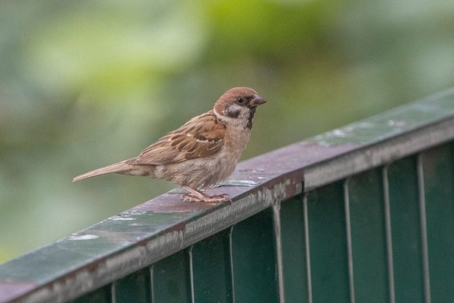
What Do Sparrows Eat?
Sparrows are omnivorous birds with a diverse diet that varies depending on their species, habitat, and availability of food sources. Their diet typically consists of:
Natural Diet:
Seeds & Grains – They primarily eat seeds from grasses, weeds, and cultivated crops like wheat, oats, and corn.
Insects & Spiders – Especially during the breeding season, they consume protein-rich insects such as beetles, caterpillars, flies, and ants, as well as spiders.
Fruits & Berries – Some species enjoy small fruits and berries like elderberries, blackberries, and cherries.
Nectar & Buds – They may feed on flower nectar, leaf buds, and soft shoots.
Small Invertebrates – In addition to insects, some species eat small snails and earthworms.
Urban & Domestic Diet:
Human Food Scraps – In cities, sparrows often scavenge bread crumbs, rice, crackers, and other leftovers.
Bird Feed – They eat commercial birdseed blends containing millet, sunflower seeds, and cracked corn.
Kitchen Waste – They may nibble on cooked rice, pasta, or crushed nuts if provided.
Sparrows are opportunistic feeders and adapt well to their environment. While they prefer natural food sources, they will take advantage of whatever is available, making them highly adaptable to both rural and urban settings.
Do Sparrows Eat Plants?
Sparrows are primarily granivorous, meaning seeds make up the bulk of their diet, but they also eat small amounts of fruits, berries, and tender plant material:
Seeds (Primary Food Source)
Seeds are by far the most important plant component of a sparrow’s diet. Sparrows tend to prefer small, easily handled seeds. Common types include:
Grasses (Poaceae): Wild grasses: foxtail (Setaria), crabgrass (Digitaria), bluegrass (Poa), brome grasses. Cultivated grains: wheat, barley, oats, corn, rice. Seeds are often eaten both directly from plants and from the ground after dispersal.
Weeds and herbaceous plants: Chickweed (Stellaria media), lamb’s quarters (Chenopodium album), dandelion (Taraxacum officinale), plantain (Plantago spp.). Many of these produce small seeds that sparrows can handle efficiently.
Sunflowers (Helianthus spp.): Both wild and cultivated varieties are highly attractive due to their nutrient-rich seeds.
Other small-seeded plants: Mustard seeds (Brassica spp.), millet (Panicum, Setaria), sorghum. Often targeted in agricultural or garden settings.
Fruits and Berries
While less important than seeds, sparrows do eat fruits and berries, particularly when insects are scarce or seeds are limited:
Wild berries: mulberries, blackberries, elderberries, currants, and raspberries.
Small fruits: cherries, hawthorn berries, and crabapples.
Garden or backyard fruits: grapes, tomatoes, and small berries from ornamental plants.
Young birds or adult sparrows in late summer and autumn particularly rely on fruit when protein demands are lower.
Shoots, Leaves, and Other Green Plant Material
Tender shoots and leaves: Occasionally consumed, especially in spring when young leaves are more palatable and soft.
Sprouted grains: Some sparrows will eat green shoots from sprouting cereal crops.
Weed greens: Chickweed and lamb’s quarters may be eaten as a supplement, especially in urban environments.
Sparrows are opportunistic generalists, meaning they will eat nearly any small, energy-rich plant product that is available and easy to handle. Their preference is overwhelmingly for small, dry seeds, which provide concentrated energy, followed by occasional fruits, berries, and soft plant tissue.
Do Sparrows Eat Insects?
Sparrows, particularly the House Sparrow (Passer domesticus), are opportunistic feeders with a diet that shifts seasonally. While they are often thought of as granivorous (seed-eaters), insects and other arthropods make up a significant portion of their diet, especially during the breeding season when protein is crucial for raising chicks. Sparrows tend to select small, soft-bodied insects that are easy to catch and digest. Common groups include:
Do Sparrows Eat Spiders?
Yes, sparrows do eat spiders, and spiders are a significant part of their arthropod diet, especially during the breeding season:
Sparrows generally eat small to medium-sized spiders that are easy to catch.
Spiders are mostly taken opportunistically during foraging on foliage, in grass, or along the ground.
Sparrows will sometimes pluck spiders directly from their webs, though they avoid sticky or large webs that are difficult to handle.
Spiders are particularly important as a protein source for chicks, providing essential nutrients for growth.
Spiders are an important, accessible source of protein for sparrows, especially for feeding nestlings, and are considered a normal component of their insect/arthropod diet.
Do Sparrows Eat Beetles?
Yes, sparrows do eat beetles, and beetles are a common component of their insect diet:
Sparrows primarily eat small, soft-bodied beetles and their larval stages.
Beetles are picked from the ground, leaf litter, or low vegetation.
Larvae are favored over adults because they are easier to swallow and digest.
Adult sparrows may avoid heavily armored or chemically defended beetles unless protein is scarce.
Sparrows do eat beetles, especially larvae and small adults, and they serve as an important protein source during chick-rearing and opportunistic foraging.
Do Sparrows Eat Flies?
Yes, sparrows do eat flies, but the context matters. Flies are not a staple of their diet—they are opportunistic protein sources. Sparrows mainly consume flies during:
Breeding season: Adult sparrows feed flies (and other small insects) to chicks because protein is critical for growth. Small, soft-bodied flies are preferred.
Opportunistic foraging: Adult sparrows will catch flies when they are abundant or easy to catch, especially in gardens, near garbage, or in other urban environments where flies congregate.
They generally favor small flies like house flies, fruit flies, and crane flies, and they also sometimes eat fly larvae (maggots) if accessible. Larger or fast-flying flies are less commonly consumed because they are harder to catch. Flies are part of a sparrow’s insect diet, but mostly as a supplemental protein source rather than a primary food.
Do Sparrows Eat Moths?
Yes, sparrows do eat moths, though typically they target larval stages (caterpillars) more than adult moths:
Caterpillars are a highly preferred protein source, especially for chicks during the breeding season. They are soft-bodied, nutrient-dense, and easy to handle.
Adult moths are sometimes eaten, but they are less commonly consumed than caterpillars because they are more mobile and harder to catch. Small, slow-flying moths may be taken opportunistically.
Sparrows eat moths mainly as caterpillars, with adult moths being occasional, opportunistic prey.
Do Sparrows Eat Wasps?
Yes, sparrows can and do eat wasps, but usually under specific conditions:
Larvae and pupae: These are the primary targets because they are soft-bodied, protein-rich, and cannot sting. Sparrows may raid nests of solitary wasps or take exposed larvae from damaged nests.
Adult wasps: Adult wasps are occasionally eaten, but sparrows are generally cautious due to stings. They tend to go after slower or trapped individuals, or prey that is injured or grounded.
Sparrows tend to avoid highly aggressive social wasps (like yellowjackets) unless larvae are accessible.
Solitary wasps or wasp nests in exposed situations are more likely targets.
Sparrows primarily consume wasp larvae and only rarely eat adult wasps, usually when risk is minimal. They are opportunistic but cautious predators.
Do Sparrows Eat Bees?
Yes, sparrows do eat bees, but, like with wasps, they are mostly opportunistic about it due to the risk of stings:
Bee larvae and pupae: These are soft, protein-rich, and defenseless, making them an attractive food source. Sparrows may raid hives or exposed brood cells to feed on larvae.
Adult bees: Sparrows rarely eat adult bees because of the sting risk. They might capture slow or trapped individuals, or ones that are injured.
Sparrows tend to avoid aggressive hives (like those of honeybees) unless larvae are exposed or the bees are otherwise vulnerable.
Solitary bees or those nesting in open areas are more likely to be eaten.
Sparrows prefer bee larvae over adults and only eat adult bees when the risk of being stung is low. They are opportunistic predators rather than specialized bee hunters.
Do Sparrows Eat Grasshoppers?
Yes, sparrows do eat grasshoppers, though the frequency depends on the size and availability of the prey:
Sparrows typically eat small to medium-sized grasshoppers.
Juvenile grasshoppers (nymphs) are preferred because they are soft-bodied and easier to handle than adults.
Larger adult grasshoppers may be eaten opportunistically, but handling and swallowing can be difficult for small sparrow species like House Sparrows (Passer domesticus).
Grasshoppers are a protein-rich food source, making them valuable during the breeding season when adults need to feed chicks.
Adult sparrows will consume grasshoppers when they are abundant and easy to catch, often in grasslands, meadows, or gardens.
Sparrows do eat grasshoppers, mainly small nymphs or medium-sized adults, and they form a valuable protein supplement during breeding.
Do Sparrows Eat Crickets?
Yes, sparrows do eat crickets, though usually they target smaller or juvenile crickets because they are easier to catch and swallow:
Small or medium-sized crickets, including house crickets (Acheta domesticus) and field crickets, are most commonly eaten.
Juvenile crickets (nymphs) are preferred over adults because they are softer-bodied and easier to handle.
Large adult crickets are less frequently eaten due to size and escape ability.
Sparrows forage on the ground or low vegetation, picking off crickets as they move.
Crickets provide high-protein food, which is especially valuable during the breeding season for feeding chicks.
Opportunistic feeding occurs outside the breeding season if crickets are abundant.
Sparrows do eat crickets, particularly juveniles or smaller species, and they are a valuable source of protein during chick-rearing and opportunistic foraging.
Do Sparrows Eat Ants?
Yes, sparrows do eat ants, though they are not a primary food source. Ants are consumed opportunistically, usually when they are abundant and easy to catch:
Sparrows generally go for small, slow-moving ants rather than aggressive or large species.
Foraging style: Sparrows pick ants from the ground, leaf litter, or low vegetation.
Larvae and pupae: When accessible in exposed nests, these are highly nutritious and risk-free compared to adult ants.
Opportunistic feeding: Ants are more commonly eaten when other insects are scarce or when a nest is disturbed.
Sparrows do eat ants, particularly larvae or slow-moving adults, but ants are generally a secondary or supplemental protein source rather than a main part of their diet.