
How To Get Rid Of Crane Flies
Crane flies, often mistaken for giant mosquitoes, are generally harmless—they don’t bite or sting. However, their larvae (called leatherjackets) can damage lawns and turf, which is usually the main concern for homeowners and business owners. Here’s how to get rid of them yourself:
Identify the Problem
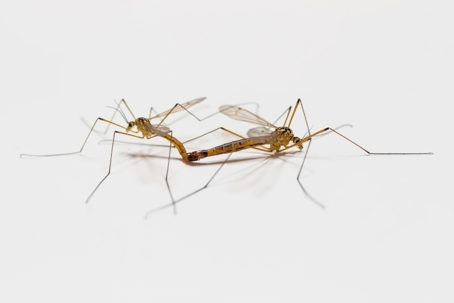
Adults: Crane flies are large, long-legged flies that appear mostly in spring and fall. They are mostly a nuisance when indoors.
Larvae (Leatherjackets): Found in soil, these gray-brown, worm-like larvae feed on grass roots. Damage often appears as brown patches or areas where turf can be easily pulled up.
Cultural and Preventive Measures
These methods focus on making your lawn or landscape less hospitable to crane flies and their larvae:
Maintain Healthy Turf: A thick, vigorous lawn resists larvae damage. Regular mowing, fertilization, and aeration help keep grass roots strong.
Reduce Excess Moisture: Crane fly larvae thrive in damp soil. Avoid overwatering and improve drainage where possible.
Remove Thatch: Thatched lawns create ideal environments for larvae. Rake and dethatch periodically to reduce buildup.
Manual Control
Rake and Inspect Soil: If you notice crane fly adults inside your home, gently capture them. For larvae, you can dig small sections of soil to remove heavily infested patches.
Barrier Measures: Seal entry points to prevent adults from coming indoors.
Biological Control
Nematodes: Beneficial nematodes (e.g., Steinernema feltiae) can be applied to the soil. They infect and kill crane fly larvae but are safe for pets, humans, and plants.
Encourage Natural Predators: Birds, frogs, and certain insects feed on larvae. While you can’t fully rely on this, a balanced ecosystem reduces populations naturally.
Chemical Control (If Necessary)
Targeted Insecticides: If infestation is severe, insecticides labeled for leatherjacket control (like those containing bifenthrin or imidacloprid) can be applied to the soil in fall or early spring when larvae are active. Follow label instructions carefully.
Timing Matters: Larvae are most vulnerable when small, so early detection in fall is critical for chemical methods to be effective.
Indoor Prevention
Vacuum Adults: If crane flies appear indoors, vacuuming is the safest way to remove them.
Reduce Outdoor Lighting at Night: Adult crane flies are attracted to lights. Minimizing outdoor lighting near entrances can reduce indoor sightings.
DIY control is mainly effective for small populations and minor damage. The adult flies are harmless; focus on larvae in the soil for meaningful control. Consistent lawn maintenance is the most effective long-term solution.
The Best Way To Get Rid Of Crane Flies
Our professional pest control is generally the most effective way to manage crane flies—especially when dealing with large infestations, commercial properties, or persistent lawn damage—because it addresses both the adult insects and, more importantly, the larvae (leatherjackets) in a systematic, science-backed way:
Accurate Identification and Assessment
Species Identification: Our professionals can distinguish between harmless crane flies and other similar-looking pests that may require different treatments. Misidentification can lead to ineffective control.
Infestation Level Assessment: Our experts evaluate the density of larvae in your lawn or landscape, which informs the most effective treatment strategy. DIY efforts often underestimate the severity of an infestation.
Targeted and Effective Larvae Control
Soil Treatments: Crane fly larvae live in the soil, feeding on grass roots. Our professionals use specialized products and application techniques that penetrate the soil and target larvae where they live.
Timing Expertise: The effectiveness of larvicide or nematode applications depends heavily on timing. Our professionals know the optimal season and soil conditions for treating larvae, which is often missed in DIY approaches.
Integrated Pest Management (IPM): Our pros use a combination of chemical, biological, and cultural methods that maximize control while minimizing harm to the environment.
Access to Professional-Grade Tools and Products
Stronger Formulations: Commercial treatments are typically more potent and longer-lasting than over-the-counter solutions, giving better results for larger infestations.
Application Equipment: Our professionals have specialized equipment to ensure uniform coverage and penetration, which improves efficacy compared to home sprayers or manual methods.
Long-Term Prevention
Lawn and Landscape Management Advice: Our experts can guide you on soil health, irrigation practices, and turf management strategies to make your property less hospitable to crane fly larvae in the future.
Monitoring and Follow-Up: Our professional services include ongoing treatments and inspections to catch any resurgences early, ensuring that infestations don’t return year after year.
Safety and Liability
Safe Handling of Chemicals: Some insecticides can be harmful if misapplied. Our pest control professionals are trained in safe, legal application methods that protect pets, children, and the environment.
Risk Management: Our professionals reduce the risk of over-application or improper timing, which can damage your lawn or harm beneficial insects.
Convenience
DIY treatments can be labor-intensive and time-consuming, requiring repeated applications and close monitoring. Our professionals handle the entire process efficiently, allowing home and business owners to focus on other priorities.
While DIY methods can be effective for small crane fly problems, our professional pest control ensures accurate identification, precise treatment timing, effective targeting of larvae, safe application, and long-term prevention—providing a higher success rate and reducing the likelihood of recurring damage.
Get Rid Of Crane Flies With Miche Pest Control
Hiring our team of professionals at Miche Pest Control is an investment in long-term protection, expertise, and peace of mind. Here’s why:
- Personalized Service and Local Expertise: We know the specific pest pressures in the area—such as seasonal rodent activity, regional ant species, or local termite threats. Our technicians understand the environment, climate, and building types common to the area, allowing them to provide targeted, effective treatments.
- High-Quality, Comprehensive Solutions: As a full-service provider, we doe’t just treat surface problems; we address the root causes. From inspections and prevention to exclusion and ongoing maintenance, we deliver complete, integrated pest management (IPM) programs designed to both eliminate infestations and prevent future ones.
- Accountability and Reliability: We live and die by our reputation. We rely on trust, referrals, and repeat business, meaning we're committed to doing the job right the first time and providing exceptional customer care.
- Faster Response Times: We respond quickly to emergencies and schedule services sooner than large, national chains. Especially when you’re dealing with urgent pest issues like rodents or wasps, that speed matters.
- Customized Treatment Plans: We tailor our services to your property’s specific needs instead of using one-size-fits-all chemical treatments. This results in safer, more effective pest control that minimizes environmental impact and reduces unnecessary pesticide use.
- Highly Trained, Experienced Technicians: We invest in training, certification, and continuing education for our technicians. We stay current on the latest pest biology, control techniques, and safety standards.
- Long-Term Prevention and Value: Our focus on providing quality service means fewer callbacks, longer-lasting protection, and better value over time. Instead of repeated, temporary fixes, you get strategic solutions that protect your home or business for the long run and provide better peace of mind.
Hiring our team means you get expertise you can trust, faster service, safer and more effective treatments, and long-term results that protect both your property and your peace of mind. Contact us today!