
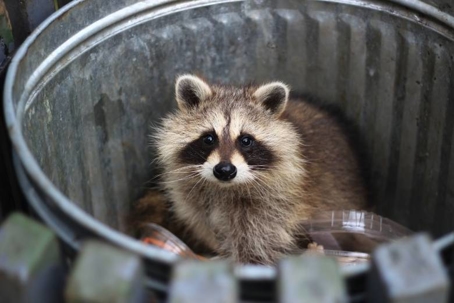
What Do Raccoons Eat?
Knowing what raccoons eat allows you to predict their movements and the areas they are likely to frequent. Raccoons are opportunistic omnivores, meaning they adapt their diet based on availability. If you understand their preferred foods—such as fruits, nuts, insects, small animals, or human refuse—you can identify hotspots where they might forage, den, or create nests. This is critical for both wildlife management and property protection.
Preventing Conflicts: Awareness of their diet helps in reducing human-wildlife conflicts. For example, if raccoons are attracted to pet food, garbage, or compost piles, proactive measures like securing trash cans or removing food sources can reduce unwanted encounters. Without understanding their dietary preferences, efforts to deter them are often ineffective.
Health and Disease Management: Knowing what raccoons eat can also inform disease control strategies. Raccoons can carry parasites and pathogens, including rabies and raccoon roundworm. Areas where raccoons scavenge human food or pet food increase the risk of disease transmission. Understanding their diet helps in designing interventions to minimize these risks.
Understanding raccoon feeding habits allows for targeted deterrents, traps, or exclusion methods. For instance, knowing that raccoons are drawn to high-calorie foods like birdseed or fallen fruit enables you to remove attractants efficiently, rather than relying on generic solutions.
What Raccoons Eat
Raccoons are highly adaptable omnivores with a diverse diet, which is one of the reasons they thrive in both wild and urban environments. Their dietary habits can be broken down into several categories:
Fruits and Vegetables: Raccoons eat a wide variety of fruits like apples, berries, grapes, and persimmons, as well as vegetables such as corn, tomatoes, and squash. In urban areas, fallen fruit from yards or gardens is a frequent food source.
Nuts and Seeds: Acorns, walnuts, and other nuts are consumed seasonally, providing high-calorie nutrition. Birdseed from feeders is also a common urban attractant.
Insects and Invertebrates: They feed on beetles, crickets, worms, and other small invertebrates, which are abundant in gardens, lawns, and wooded areas.
Small Animals: Raccoons will eat frogs, fish, small rodents, and birds’ eggs when available. They are skilled foragers in streams, ponds, and under bird nests.
Carrion: Dead animals are part of their diet, as raccoons are opportunistic scavengers. This includes roadkill or discarded meat from humans.
Human Food and Waste: Raccoons frequently consume garbage, pet food left outdoors, compost scraps, and food left in outdoor dining areas. Sugary, fatty, and high-protein human foods are particularly attractive.
Aquatic Foods: In areas near water, raccoons may eat crayfish, snails, and other aquatic creatures, using their dexterous paws to extract prey.
They sometimes nibble on plants, flowers, or even non-food items when curious or when other food is scarce, which can lead to minor property damage.
What Fruits Do Raccoons Eat?
Raccoons are more attracted to soft, high-sugar, easily accessible fruits—especially those that fall to the ground:
Berries: Raccoons frequently eat blackberries, blueberries, raspberries, and mulberries. These are easy to grab and high in sugar, making them a preferred choice, especially in late spring and summer.
Apples and Pears: Fallen or overripe apples and pears are highly attractive. They often scavenge orchards, backyard trees, or dropped fruit in suburban areas.
Grapes: Raccoons will eat grapes from vineyards, backyard vines, or even discarded grocery items, drawn by their sweetness and small, easy-to-handle size.
Plums, Peaches, and Cherries: Soft, juicy stone fruits are eaten readily when ripe. Raccoons can climb trees or forage under low-hanging branches.
Persimmons: In regions where persimmon trees grow, raccoons are strong consumers, particularly of the soft, fallen fruit in autumn.
Figs: Soft and high in sugar, figs are appealing and easy for raccoons to eat once they’ve fallen to the ground.
Other Small Fruits: Cranberries, elderberries, and similar wild fruits are eaten seasonally in forested or suburban areas.
Keeping fruit off the ground or using protective netting around trees can significantly reduce raccoon activity in residential areas.
What Vegetables Do Raccoons Eat?
Raccoons target vegetables that are high in sugar, soft, or easily reachable:
Corn: Sweet corn is extremely attractive to raccoons. They often raid cornfields, backyard gardens, or raised beds, especially when the ears are ripe and accessible.
Tomatoes: Soft, ripe tomatoes—especially those that have fallen or are easily reachable—are a common target. Raccoons are drawn to their juiciness and sweetness.
Squash and Pumpkins: Summer and winter squash, zucchini, and pumpkins are frequently eaten, particularly when they are soft or overripe.
Peppers: Bell peppers and other mild peppers are occasionally eaten, usually when the fruit is soft or damaged.
Leafy Greens: Lettuce, kale, spinach, and chard may be nibbled, particularly in gardens where raccoons have easy access. While not a primary food source, they will eat them opportunistically.
Root Vegetables: Carrots, sweet potatoes, and other tubers can be dug up and eaten, especially if they are exposed or the soil is loose.
Beans and Peas: Raccoons will eat peas, green beans, and pods that are accessible, particularly in small garden patches.
Protecting vulnerable crops with fencing, raised beds, or netting can significantly reduce losses.
What Nuts Do Raccoons Eat?
Raccoons are most attracted to nuts that are high in fat and protein and easily accessible on the ground:
Acorns: Among the most common wild foods for raccoons, acorns provide high-fat, high-calorie nutrition and are abundant in oak forests and suburban areas with oak trees.
Walnuts: Both black and English walnuts are highly attractive. Raccoons can climb trees or forage for fallen nuts, especially when the shells begin to crack naturally.
Hickory Nuts: These are eaten seasonally, offering a rich source of protein and fat. Raccoons are skilled at handling them once the shells are soft enough or cracked open.
Pecans: Raccoons readily consume pecans from trees or those that have fallen to the ground. Their sweetness and high fat content make them very appealing.
Beech Nuts: Less common than acorns or walnuts but still consumed, particularly in forested areas where beech trees are present.
Chestnuts: When available, raccoons will eat chestnuts that have fallen to the ground or are partially exposed.
Miscellaneous Nuts: Raccoons will opportunistically eat other edible nuts, such as almonds or hazelnuts, especially in residential areas where they might find them in gardens or dropped from feeders.
Regularly cleaning up fallen nuts or installing barriers under nut-bearing trees can significantly reduce raccoon activity around homes and gardens.
What Seeds Do Raccoons Eat?
Birdseed is a major attractant for raccoons in residential areas. Here are some of the seeds raccoons might eat:
Sunflower Seeds: One of the most common seeds raccoons target, especially from bird feeders. They are high in fat and easy to handle, making them a prime food source in urban and suburban areas.
Corn Kernels: Dried or fresh corn kernels, whether from bird feeders, gardens, or leftover crops, are highly attractive due to their calorie density.
Pumpkin and Squash Seeds: Found in the flesh of pumpkins or squash, these seeds are eaten opportunistically when raccoons are feeding on the fruit itself.
Other Birdseed Mixes: Raccoons will consume mixed seeds containing millet, safflower, or other small seeds commonly used in backyard feeders.
Wild Seeds: Seeds from grasses, weeds, and certain wild plants are eaten when other food sources are limited, particularly in natural or semi-natural areas.
Keeping feeders elevated, using raccoon-proof designs, or cleaning up spilled seed can dramatically reduce raccoon visits.
What Insects Do Raccoons Eat?
Raccoons are opportunistic feeders that exploit high-protein, easy-to-catch invertebrates:
Beetles: Ground beetles, June bugs, and other soft-bodied beetles are commonly eaten. Raccoons forage through leaf litter and soil to find them.
Crickets and Grasshoppers: Easily captured and high in protein, these insects are a common seasonal food source, particularly in gardens, fields, and lawns.
Caterpillars and Moth Larvae: Raccoons will eat larvae found on plants or fallen to the ground. They are especially attractive due to their fat and protein content.
Ants and Termites: While smaller, ants and termites are opportunistically eaten, often by overturning logs, stumps, or soil to reach colonies.
Spiders: Certain spiders are eaten when encountered during foraging, though they are a minor part of the diet.
Worms and Other Soil Invertebrates: Earthworms, slugs, snails, and similar invertebrates are frequently consumed. Raccoons use their dexterous paws to dig and extract them from soil or under debris.
In residential areas, they may be drawn to gardens, compost piles, and areas with moist soil, leaf litter, or debris where these food sources are abundant.
What Animals Do Raccoons Eat?
Raccoons are opportunistic predators. They focus on easy-to-catch, high-protein sources and are skilled foragers near water or areas with ground cover:
Amphibians: Raccoons frequently eat frogs, toads, and salamanders. These are often caught near ponds, streams, marshes, or moist garden areas. Amphibians provide easy-to-catch, protein-rich food.
Fish: Small fish in shallow streams, ponds, or garden water features are targeted. Raccoons use their dexterous front paws to scoop or trap them.
Reptiles: Small snakes and lizards may be eaten opportunistically, particularly if they are slow-moving or easily captured.
Small Mammals: Raccoons sometimes hunt mice, voles, rats, or other small rodents, especially if other food sources are scarce.
Birds and Bird Eggs: Ground-nesting birds or unattended nests are vulnerable. Raccoons eat eggs, chicks, and occasionally adult birds if they can catch them.
Crustaceans in Aquatic Environments: Raccoons living near water often eat crayfish, freshwater shrimp, and crabs. They are skilled at handling and opening shells.
Carrion (Dead Animals): Raccoons scavenge roadkill, dead birds, fish, or mammals. This opportunistic behavior allows them to access high-protein food with minimal effort.
Protecting bird nests, small pets, and garden ponds, as well as removing carrion, reduces the likelihood of raccoon activity.
Do Raccoons Eat Human Food?
Raccoons are opportunistic and drawn to high-calorie, high-fat, or sweet foods:
Meats: Raccoons are highly attracted to cooked or raw meats such as chicken, beef, pork, and fish. Leftover scraps, barbecues, or outdoor pet food are frequent sources.
Dairy Products: Cheese, milk, yogurt, and other dairy items are consumed if accessible. Soft cheeses are particularly appealing.
Grains and Breads: Bread, pasta, rice, and cereal are eaten readily, especially when mixed with fats or sugar.
Fruits and Vegetables: Human-provided fruits (apples, grapes, berries) and vegetables (corn, tomatoes) are very attractive, particularly when overripe or leftover from meals.
Sweets and Snacks: Candy, cookies, chocolate, and other sugary foods are highly appealing due to their concentrated calories and sugar content.
Nuts and Seeds: Peanuts, sunflower seeds, and mixed nuts are consumed when left in open containers or as part of snack foods.
Leftover Human Meals: Anything from pizza crusts to fast food scraps can draw raccoons, especially if left outdoors or in trash bins that are not secured.
Securing trash, removing outdoor food sources, and storing pet food indoors are the most effective ways to reduce raccoon activity around homes.
Do Raccoons Eat Pet Food?
Dry Dog Food (Kibble): High in protein and fat, dry dog food is very attractive to raccoons. Its small, easy-to-grab pieces make it a convenient and predictable food source.
Wet Dog Food (Canned): The strong aroma and soft texture of wet dog food make it irresistible. Even small amounts left outdoors can draw raccoons repeatedly.
Dry Cat Food: Similar to dog kibble, dry cat food is high in calories and easy to eat. Its scent can travel, attracting raccoons from nearby yards.
Wet Cat Food (Canned): Highly aromatic and protein-rich, wet cat food is particularly enticing. Open or partially eaten cans left outside are prime targets.
Some raccoons will also eat birdseed, as well as hamster, rabbit, or guinea pig feed if it is accessible, especially when it contains grains or nuts.
Do Raccoons Eat Trash?
Yes, raccoons eat trash, and it’s one of the primary ways they interact with human environments:
Opportunistic Scavenging: Raccoons are highly adaptable omnivores. They are naturally drawn to easily accessible, high-calorie food, and trash often contains leftovers like meat, bread, fruit, and sugary snacks that are very appealing.
Garbage as a Consistent Food Source: In urban and suburban areas, trash provides a predictable and abundant food supply. Raccoons learn to return repeatedly to bins, dumpsters, or compost piles, often at night when human activity is minimal.
Behavioral Adaptation: Raccoons are intelligent and dexterous. They can open poorly secured garbage bins, flip lids, or manipulate bags to access food. This makes them persistent pests in areas where waste is not properly contained.
Risk Amplification: Trash feeding increases the risk of property damage, spread of diseases, and human-wildlife conflicts. Raccoons can tear bags, scatter debris, and contaminate surfaces with feces or saliva.
Securing garbage in raccoon-proof containers, avoiding leaving food scraps outside overnight, and minimizing access to compost or pet food are the most effective ways to reduce raccoon attraction.