
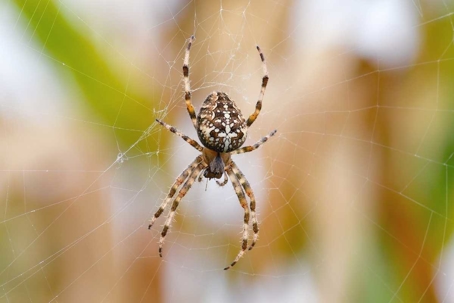
What Are Spiders Attracted To?
Spiders are primarily attracted to areas where they can find food. Flying insects like flies, mosquitoes, moths, and small beetles are the main draw. Locations with outdoor lights, fruit trees, or compost bins often increase insect activity and therefore attract spiders.
Shelter and hiding spots: Spiders prefer undisturbed, sheltered areas to build their webs or hide. Common indoor spots include corners of rooms, closets, attics, basements, behind furniture, and inside storage boxes. Outdoors, they gravitate toward dense vegetation, woodpiles, leaf litter, and under rocks.
Web-building surfaces: Web-building species are attracted to areas where they can anchor their silk efficiently. Corners, eaves, window frames, shrubs, and fences are common attachment points.
Both indoors and outdoors, cluttered areas provide protection and abundant prey. Boxes, storage rooms, piles of clothes, garden debris, and stacked firewood are all ideal.
What Insects Attract Spiders?
Here are some of the insects that most commonly attract spiders:
Flies (house flies, fruit flies, fungus gnats): Flies are a primary food source for many spider species. Areas where flies congregate—like kitchens, garbage areas, or around lights—can attract spiders looking to hunt.
Mosquitoes: Mosquitoes are common prey for orb-weaving spiders and other web builders. Outdoor lights, standing water, and damp areas that encourage mosquito activity will also draw spiders.
Moths: Moths, especially smaller ones, are highly attractive to spiders that build webs near lights or window frames. Their nocturnal flight patterns make them easy targets.
Ants: Certain spiders, like jumping spiders and some sac spiders, actively hunt ants. Infestations of ants indoors or outdoors can inadvertently attract spiders.
Cockroaches: While larger cockroaches are not always easy prey, smaller roaches and nymphs are targeted by spiders. Damp kitchens, basements, and storage areas with roach activity can draw spiders.
Beetles (including pantry pests): Beetles that infest pantries or gardens serve as a food source for ground-dwelling and web-building spiders. Areas with stored grains, spilled seeds, or garden plants are at higher risk.
Silverfish and other small crawling insects: Moisture-prone areas where silverfish, centipedes, or small crickets are present are particularly attractive to spiders that hunt on surfaces rather than using webs.
Termites and wood-boring insects: Some spiders that dwell in basements, attics, or woodpiles will opportunistically hunt termites or other small wood-inhabiting insects, though this is less common than hunting flying insects.
Spiders are generalist predators and will hunt most insects.
Do Plants Attract Spiders?
Dense shrubs and bushes: Plants with thick foliage, such as boxwood, holly, or privet, provide excellent shelter for spiders. They offer protection from predators and a structural framework for web-building.
Flowering plants that attract insects: Spiders are drawn to areas where prey is abundant. Plants like marigolds, sunflowers, lavender, and honeysuckle attract pollinators such as bees, butterflies, and moths, which in turn draw spiders looking to hunt.
Climbing and vining plants: Vines like ivy, wisteria, or clematis provide vertical structure and concealed spaces ideal for web attachment and ambushing prey. They also create shaded microhabitats that spiders favor.
Ground-cover plants and mulch beds: Low-growing plants, ornamental grasses, and dense ground cover can harbor insects and maintain moisture, making these areas attractive for spiders that hunt close to the ground.
Trees with rough bark or fruit-bearing trees: Trees like oaks, maples, and fruit trees provide shelter, humidity, and a constant supply of insects like flies, beetles, or moths. Fruit trees, in particular, attract flying insects that spiders prey upon.
Weedy or overgrown areas: Weeds, tall grasses, and unmanaged garden corners create ideal hiding spots and support high insect populations, making them prime spider habitat.
Night-blooming plants: Plants that flower or release scent at night, such as evening primrose or night-blooming jasmine, attract nocturnal insects like moths, which then attract spiders that hunt in low-light conditions.
Are Spiders Attracted To Food?
Spiders themselves are not attracted to human food like leftovers, crumbs, or pet food. They are carnivorous predators that feed on live insects, not stored grains or snacks.
Prey presence: What does attract spiders is the food their prey eats. If food sources like crumbs, spilled pet food, or improperly stored pantry items attract insects (flies, ants, beetles, etc.), those insects then indirectly attract spiders looking to hunt.
Garbage and compost areas: Outdoor or indoor areas with rotting food or trash can attract insects. Spiders may move in nearby because of the high concentration of prey.
Fruit and plants: Overripe fruit, fruit trees, or flowering plants can attract insects, and spiders often position themselves close to these areas to capture prey.
Spiders aren’t drawn to food directly—they follow the insects that are drawn to food.
Are Spiders Attracted To Light?
Unlike moths or flies, spiders do not seek out light sources. Their movement is generally guided by shelter, prey availability, and environmental conditions rather than brightness.
Indirect attraction via prey: Many insects are attracted to light sources—especially at night—such as porch lights, indoor lamps near windows, or garden lighting. Spiders may gather near these areas because their prey congregates there, not because of the light itself.
Placement of webs near light: Orb-weaving spiders, for example, often build webs near outdoor lights or windows where flying insects are abundant. This positioning maximizes their chances of catching food, not because they are drawn to illumination.
Bright indoor lights don’t inherently attract spiders, but leaving doors or windows open near lighted areas can allow insects—and therefore spiders following them—to enter.
Are Spiders Attracted To Darkness?
Many spider species do prefer dimly lit or dark environments because these areas provide safety from predators and human disturbance. Darkness offers cover for web-building and ambushing prey.
Not “attracted” in the active sense: Spiders don’t actively seek darkness the way moths seek light—they are more accurately described as favoring low-light, sheltered environments when choosing a place to hide or hunt.
Indoor hiding spots: Common dark areas indoors include basements, attics, closets, behind furniture, under sinks, and inside storage boxes. Outdoors, spiders favor dense vegetation, under rocks, woodpiles, and shaded corners.
Interaction with prey: Spiders often build webs in darker corners because many insects are less wary in shaded areas, increasing the chances of a catch.
Introducing brighter lighting or reducing clutter in previously dark areas can discourage spiders from settling, although it doesn’t guarantee they won’t stay if other factors (prey, moisture, shelter) remain favorable.
Are Spiders Attracted To Warmth?
Spiders are ectothermic ("cold blooded"), meaning their activity levels depend on ambient temperatures. Warm environments allow them to move, hunt, and reproduce more efficiently.
Seasonal movement indoors: During colder months, spiders often move indoors seeking warmth and shelter. Warm, undisturbed areas like attics, near heating vents, or around appliances can become temporary habitats.
Warmth outdoors: In warmer seasons, some species may favor sunny spots on walls, fences, or garden surfaces for thermoregulation, but they typically balance this with the need for shelter and access to prey.
Not attracted to warmth in isolation: Spiders don’t actively “seek out warmth” like humans do—they respond to temperature in combination with shelter, prey, and humidity. Warmth alone isn’t enough to lure them.
Reducing heat accumulation in hidden areas, sealing entry points, and maintaining a moderate indoor temperature can make your home slightly less attractive, though the biggest factor is always prey availability and shelter.
Are Spiders Attracted To Moisture?
Spiders often seek out damp or humid environments because these areas attract their prey—most insects prefer moisture—and because spiders themselves need a certain level of humidity to survive.
Indoor moisture hotspots: Common indoor locations include bathrooms, kitchens, laundry rooms, basements, crawl spaces, and areas near leaky pipes or standing water. Damp corners and under sinks are also common harborage points.
Outdoor moisture sources: Outdoors, spiders are drawn to garden beds, leaf litter, mulch, compost piles, ponds, and areas near irrigation or drainage where humidity is higher.
Moisture plus shelter: Moist environments that are also sheltered (like under logs, rocks, or dense vegetation) are particularly attractive because they provide both water and protection from predators and extreme weather.
Reducing excess moisture indoors—through proper ventilation, dehumidifiers, fixing leaks, and keeping areas dry—significantly reduces spider presence, as it limits both water and prey availability.
What Attracts Spiders Into Your Home?
Spiders often enter homes through small cracks in walls, gaps around doors and windows, attic vents, gaps around plumbing or electrical lines, and other openings in the foundation. Even tiny openings can be enough for spiders to get in.
Prey indoors: Once a spider is near a home, the presence of indoor insect food sources—like flies, ants, mosquitoes, or pantry pests—can lure them inside. Kitchens, pantries, and areas where crumbs or moisture attract insects are particularly inviting.
Sheltered indoor environments: Spiders look for quiet, undisturbed areas to establish themselves. Basements, attics, closets, storage rooms, and behind furniture provide perfect hiding spots, especially when these areas are dimly lit or cluttered.
Moisture and humidity: Bathrooms, laundry rooms, kitchens, and areas with leaky pipes or standing water are attractive because many spiders seek moisture. Damp basements or crawl spaces are common indoor harborage sites.
Temperature regulation: During extreme weather, spiders may move indoors to escape excessive heat, cold, or rain. Warm interiors in winter or cool shaded spaces in summer can draw them in.
Light-attracted insects near windows or doors: Outdoor lights attract flying insects, and spiders may follow the prey indoors through open doors, windows, or gaps in screens.
Piles of boxes, stacks of firewood near entrances, and storage areas with infrequent human activity create ideal environments for spiders to hide and hunt.
Does Dust Attract Spiders?
Dust itself does not directly attract spiders, as they are not interested in non-living debris. However, dusty areas often create conditions that are appealing to spiders, which can make it seem as though dust is a magnet for them. Dusty corners, shelves, or storage areas are usually undisturbed and quiet, providing the sheltered environments spiders prefer for hiding or building webs. Additionally, dust can accumulate along with other debris that attracts insects—crumbs, dead bugs, and organic matter—creating a food source for spiders. Therefore, while spiders are not drawn to dust for its own sake, dusty, cluttered, and rarely cleaned areas often become indirect hotspots because they combine shelter with prey availability. Regular cleaning and dusting can reduce these attractive conditions, making the environment less favorable for spiders.
Do Dead Spiders Attract More Spiders?
Dead spiders can attract other spiders under certain circumstances, though it’s not always straightforward:
Prey or scavenging behavior: Certain spiders are opportunistic predators or scavengers. A dead spider can emit volatile organic compounds as it decomposes, which some spiders can detect. These chemical signals can be interpreted as a potential food source, drawing spiders that are hunting for easy prey.
Indirect attraction via prey insects: A dead spider can attract insects that feed on decaying organic matter. These insects then become a food source for nearby spiders. In this way, the presence of a dead spider indirectly draws living spiders looking for prey.
Web and habitat reuse: In some cases, the remains of a dead spider in a web or sheltered corner signal a ready-made territory or web site. Spiders searching for suitable locations may investigate and eventually occupy the same spot.
Dead spiders emit scents or create microenvironments that other spiders detect either as food opportunities, territory signals, or potential habitats.
Does Killing A Spider Attract More?
Spiders do not release pheromones or signals when killed that would draw others to the area. There’s no “spider alarm” system that lures their kind after one is killed.
Prey remains: If the spider was feeding on insects nearby, killing it might leave the insects alive or disturbed, which could draw other spiders to the area over time.
Disturbing a habitat: Crushing or moving a spider in a web or corner may slightly disturb the environment, prompting other nearby spiders to relocate, making it seem like more appeared.
Existing infestation: Killing a spider in an area that already has multiple spiders can make it look like more are appearing because the remaining spiders were already present.
Behavioral reality: Spiders are largely solitary. Most species do not aggregate or follow others, so removing one spider usually has no effect on whether others arrive.
Instead of killing individual spiders, focus on eliminating the conditions that attract them—removing prey, sealing entry points, reducing moisture, and decluttering sheltered areas. This addresses the root cause rather than the symptom.