
Orange Ladybugs
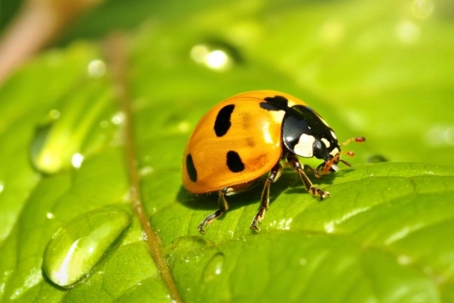
Several ladybug species naturally appear orange, and the color often leads people to wonder whether these beetles are beneficial garden allies or accidental household pests. Here are some of the most common types you’ll encounter:
- Asian Lady Beetle (Harmonia axyridis): This is the species most often seen in shades of orange, ranging from pale yellow-orange to deep burnt orange. They can have many spots, few spots, or none at all. They’re well-known for gathering on homes in fall and sometimes becoming indoor nuisances. A small white “M” or “W” marking behind the head is a key identifier.
- Orange Ladybug (Halyzia sedecimguttata): A soft orange species with distinctive white spots—usually 14 to 16. They are typically found on trees and fungi rather than around homes, and they’re harmless to people and beneficial in forests.
- Orange-Spotted Lady Beetle (Brachiacantha spp.): These tend to be dark, glossy beetles with orange patches rather than a fully orange shell. They’re predators of aphids and scale insects and generally stay outdoors.
- Convergent Lady Beetle (Hippodamia convergens): Although often red, many individuals appear orange. They’re highly beneficial predators used in agriculture to control soft-bodied pests.
- Seven-Spotted Lady Beetle (Coccinella septempunctata): Typically red, but orange forms are quite common. This species is widespread in gardens and helps control aphid populations.
If you’re encountering orange ladybugs inside buildings—especially in clusters—the Asian lady beetle is the most likely culprit.
Are Orange Ladybugs Poisonous?
Orange ladybugs—especially the Asian lady beetle, which is the species most often mistaken for being “poisonous”—aren’t dangerous to people in the way genuinely venomous or toxic insects are. However, they can produce reactions that lead to the belief they’re poisonous. The confusion comes from their defensive chemistry, their ability to bite, and the way pets sometimes react to them.
In defensive situations, they release a yellow, foul-smelling fluid from their leg joints called “reflex blood.” This fluid contains alkaloids that taste bitter and can irritate skin, eyes, or mucous membranes. For most people, the effect is mild—temporary redness, a slight burning sensation, or a minor rash if the fluid gets on the skin. The same chemicals can cause issues if large numbers of Asian lady beetles are swallowed by pets; dogs, in particular, may experience drooling, stomach upset, or mouth irritation after ingesting them, though this is usually rare and linked to significant exposure. They can also deliver a light pinch when they bite, which isn’t venomous but can feel sharp and may leave a brief welt on sensitive individuals. Overall, their “poisonous” reputation stems from these defensive chemicals rather than any serious toxicity, and the risks are more nuisance-level than hazardous.
Learn more: Are Ladybugs Poisonous?
Are Orange Ladybugs Poisonous To Dogs?
When a dog consumes a small number of Asian lady beetles, it often shows no symptoms at all. Problems arise when a dog ingests several at once or encounters a cluster, because the beetles’ defensive chemicals can irritate the mouth, throat, and stomach. The most common signs include excessive drooling, pawing at the mouth, and a sudden reluctance to eat due to discomfort on the tongue or gums. Some dogs develop vomiting, mild diarrhea, or signs of stomach upset a few hours later. In more noticeable cases, the beetles can cling to the inside of the mouth, leaving small ulcer-like spots, redness on the palate, or a bitter chemical smell. A dog may appear unusually thirsty, lethargic, or unsettled simply because its mouth is sore. Severe reactions are uncommon, but if a dog shows persistent vomiting, significant mouth lesions, or ongoing refusal to drink, veterinary care is recommended to remove any stuck beetles and prevent dehydration.
Are Orange Ladybugs Poisonous To Other Pets?
Most household pets tolerate brief encounters with Asian lady beetles, but several species can experience irritation or digestive upset if they ingest them or come into direct contact with their defensive chemicals. The concerns are similar to those seen in dogs, though the severity can vary depending on size, sensitivity, and the number of beetles involved.
- Cats: Cats are generally less inclined to eat insects in bulk, but they can still develop mouth irritation, drooling, or vomiting if they ingest multiple beetles. Reflex blood from beetles may cause mild eye or nose irritation if a curious cat sniffs or bats at them.
- Ferrets: Because ferrets explore with their mouths, they can experience irritation of the gums or throat, drooling, and brief stomach upset after ingesting Asian lady beetles. Their small size can make even modest exposure more noticeable.
- Small mammals (rabbits, guinea pigs, hamsters): These pets rarely consume insects intentionally, but accidental ingestion—often from beetles hiding in hay, bedding, or forage—can lead to mild digestive upset or oral irritation. Their sensitive digestive systems make them more prone to temporary discomfort even from small exposures.
- Birds (pet parrots, small passerines): Many birds naturally eat insects, but a large quantity of Asian lady beetles may cause vomiting, decreased appetite, or brief crop irritation. The beetles’ bitter defensive chemicals can make a bird shake its head, wipe its beak, or refuse food temporarily.
- Reptiles (lizards, turtles): Insect-eating reptiles may try to eat beetles, but their bodies typically reject distasteful prey quickly. If a reptile consumes several, it may show regurgitation or lethargy due to irritation from the beetles’ chemical defenses.
- Fish: Accidental exposure is rare, but if Asian lady beetles fall into aquariums in numbers, they can irritate fish gills or foul the water with their defensive chemicals. This would require an unusually heavy cluster to cause noticeable stress.
In most cases, issues are mild and self-limiting. Problems tend to arise only when an animal ingests many beetles at once or has a particularly sensitive mouth or digestive system. If any pet shows persistent drooling, refusal to eat, vomiting, or signs of mouth pain, a veterinarian can help clear the irritant and prevent dehydration or secondary complications.
Do Orange Ladybugs Bite?
Orange ladybugs—especially the Asian lady beetle, the species most prone to biting—don’t bite out of aggression. Their bites are defensive or exploratory, and most occur under specific conditions that make them feel crowded, stressed, or deprived of food. Here are the situations when bites are most likely:
- When they’re overwintering inside homes: As temperatures drop in fall, Asian lady beetles look for warm, sheltered places to spend winter. When they cluster on or inside homes, they become more defensive. If someone handles them, brushes them off clothing, or accidentally traps them against the skin, they may bite in response.
- When they land on people for moisture or salts: These beetles will sometimes land on exposed skin to investigate perspiration. If they test the surface with their mouthparts and feel threatened or confused, they may give a quick nip.
- When food sources outdoors are scarce: If aphid populations drop or plants die back late in the season, Asian lady beetles become more opportunistic. During this time, they’re more likely to investigate anything that might resemble food, including skin, pet fur, or soft tissue.
- When they feel squeezed or cornered: If a beetle gets trapped in clothing, pressed between a hand and a surface, or caught by a pet during play, it may bite as a last attempt to defend itself.
- During large seasonal swarms: In the fall, when they gather in big numbers on sunny walls or window frames, the combination of crowding and stress increases their tendency to bite if handled or disturbed.
Most bites feel like a sharp pinch and are harmless, leaving only brief redness or irritation. Pets may react by shaking their heads, pawing at their mouths, or briefly whining if bitten inside the mouth or on the nose.
Learn more: Do Ladybugs Bite?
Are Orange Ladybugs Dangerous?
Generally, orange ladybugs—especially the Asian lady beetle, which is the species most often involved in concerns—are not dangerous, but they can be nuisance pests with mild health effects. They don’t carry venom, they don’t spread disease, and their bites aren’t medically significant. The issues they cause usually come from their defensive chemicals and their tendency to gather in large numbers.
They can release a yellow fluid that irritates skin, eyes, or mouths, and they occasionally bite when stressed, which feels like a small pinch. Pets that consume several can develop mouth irritation or mild stomach upset, though serious reactions are rare. Indoors, large clusters can stain surfaces or trigger light allergy-type symptoms in sensitive individuals.
So while they aren’t dangerous in the sense of posing serious health risks, they can still be unpleasant, irritating, and invasive—particularly when they overwinter in homes or when pets interact with them.
Orange Ladybugs In Your House?
If you have an infestation of orange ladybugs in your house, it's essential to manage the situation while keeping in mind that these insects are generally beneficial in gardens and agricultural settings. Here are steps to address an infestation:
- Prevention: The best way to deal with ladybug infestations is to prevent them in the first place. Seal any cracks or gaps in doors, windows, and walls to prevent ladybugs from entering your home. Repair or replace damaged screens on doors and windows.
- Natural Light: Ladybugs are attracted to light. At night, turn off outdoor lights and close curtains to reduce the attraction.
- Vacuuming: If ladybugs have already entered your home, use a vacuum cleaner to gently remove them. Empty the vacuum bag or canister away from your home to prevent them from returning.
- Release Outside: Rather than killing ladybugs, consider capturing and releasing them outside. Use a jar or a cup and gently place them inside. Release them away from your home to ensure they don't return.
- Repellents: There are commercially available ladybug repellents, but their effectiveness can vary. You may want to test them in a small area before applying them more widely.
- Professional Pest Control: If the infestation is severe and persistent, consider contacting our pest control professionals for a free inspection.
Ladybugs are beneficial insects in the natural ecosystem as they help control plant-damaging pests. If possible, try to avoid killing them and opt for a more humane approach to manage their presence in your home.
Learn more: How To Get Rid Of Ladybugs