Stink Bugs

Are Stink Bugs Harmful?
Stink bugs—especially the brown marmorated stink bug (Halyomorpha halys)—can be considered harmful in several significant ways, both economically and domestically. While these bugs don’t pose direct health threats to humans or pets, their impact on quality of life, property, and agriculture can be substantial.
- Home Invasions: During the fall, stink bugs seek shelter from the cold by invading homes and buildings. While they don’t reproduce indoors or cause structural damage, they are annoying pests, often found clustering on walls, windows, and ceilings, difficult to remove, as crushing them releases a pungent, foul odor, and persistent invaders, capable of squeezing through tiny gaps in siding, vents, or around windows and doors.
- Contamination and Odor: Their signature defense mechanism—a strong, lingering odor—can contaminate indoor spaces, fabrics, and even food if disturbed in kitchens or pantries. Large infestations can make homes smell unpleasant for extended periods.
- Nuisance to Businesses: For restaurants, hotels, and food-processing facilities, a stink bug infestation can damage reputations and lead to sanitation concerns. Even dead stink bugs can create issues in packaging or production areas.
- Ecological Concerns: As an invasive species in North America, the brown marmorated stink bug disrupts local ecosystems. It competes with native insects for resources and lacks natural predators here, allowing populations to grow rapidly and spread widely.
- Agricultural Damage: Stink bugs are serious agricultural pests. They feed on a wide range of crops—fruits, vegetables, and field plants—by piercing the surface and sucking out juices. This feeding method damages the tissue, causing deformed or discolored fruits and vegetables (e.g., apples, peaches, tomatoes, corn, soybeans), reduced crop yield and quality, leading to major financial losses for farmers, and spoiled produce, which can become unmarketable due to blemishes or internal decay.
Stink bugs are harmful not because they bite, sting, or transmit disease, but because of their invasive behavior, offensive odor, and economic impact on crops, making them a significant pest for both agriculture and homeowners alike.
Learn more: Do Stink Bugs Bite? || Are Stink Bugs Poisonous? || What Do Stink Bugs Eat? || What Do Stink Bugs Look Like? || Do Stink Bugs Fly? || Stink Bug Life Cycle
Stink Bug Removal
Stink bugs may seem like a minor nuisance at first, but eliminating them quickly is important for several reasons. First, they cause significant damage to plants, gardens, and crops. They feed by piercing fruits, leaves, and stems, which leaves behind scars, deformations, and rot. Even a small population can ruin vegetables, fruit trees, and ornamental plants, and in agricultural settings they can cause extensive economic losses.
Inside homes, they create a different set of problems. When temperatures drop, stink bugs look for warm, sheltered places to overwinter, and houses provide ideal conditions. Once they get inside walls, attics, or living spaces, they multiply year after year because they release pheromones that attract even more stink bugs to the same location. If disturbed or crushed, they emit a strong, unpleasant odor that lingers on surfaces, clothing, and fabrics. Their presence can also trigger allergies in sensitive individuals due to the compounds they release.
Another important factor is how difficult they become to control once an infestation is established. Stink bugs are resilient, can hide in tight cracks, and are not easily eliminated with basic household sprays. Allowing them to stay in or around a property increases the likelihood of repeated seasonal invasions, larger populations, and expanding damage.
Removing stink bugs promptly helps protect plants, prevents indoor infestations, and avoids long-term pest issues that are much more costly and complicated to resolve later.
Learn more: How To Get Rid Of Stink Bugs
Stink Bug Control
Hiring our professional pest control for stink bugs is often the smartest and most effective solution for both homeowners and business owners. While stink bugs may not directly harm people or pets, they can cause major headaches by invading in large numbers, producing foul odors when crushed, and damaging plants, crops, and gardens. Our professionals bring expertise, advanced tools, and targeted strategies that go far beyond what DIY methods can achieve.
Our pest control experts know how to properly identify the entry points stink bugs use to get inside buildings, such as cracks around windows, doors, siding, and vents. Sealing these areas is critical to long-term prevention, but it requires a trained eye to catch every vulnerable gap. Our professionals also use safe and effective treatments designed to reduce infestations without leaving behind harmful residues. Unlike store-bought sprays or home remedies, which often only offer temporary relief, our professional-grade solutions are designed to address both the bugs inside your property and the populations outside that are trying to get in.
Our experts can also provide customized prevention plans tailored to your property. This includes exclusion techniques, environmental adjustments, and ongoing monitoring to ensure stink bugs don’t return season after season. Businesses, in particular, benefit from professional services because a stink bug infestation can harm their reputation, disrupt operations, and create unpleasant conditions for employees and customers.
Our professional pest control services offer a more thorough, efficient, and lasting solution. Rather than constantly dealing with stink bugs year after year, hiring our professionals ensures the infestation is properly managed at the source and helps protect your home or business from future invasions.
Stink Bug Exterminators
Choosing our local exterminator over a national company for stink bug control often leads to better results, faster service, and a more tailored approach. Our local professionals know the specific stink bug pressures in the region, how the seasons affect activity, and which entry points and structural features are most commonly involved in homes like yours. That regional insight translates into more accurate inspections, more strategic treatments, and a greater ability to prevent the insects from returning.
You also benefit from faster response times and more personal service. Our local exterminators generally have smaller route areas, so we can schedule visits quickly and follow up promptly if additional treatment is needed. You’re not routed through call centers or long waiting lists, and you deal directly with someone who knows your property and your concerns. Because our local team relies heavily on our reputation and referrals within the community, we prioritize quality, consistency, and accountability in every visit.
Another advantage is the flexibility in treatment plans. National chains often rely on standardized programs and fixed procedures, which may not always address the unique conditions of your home. Our local exterminators customize our approach—whether you need targeted exclusion work, seasonal protection, or specialized methods for recurring overwintering populations. This level of adaptability significantly improves long-term control.
Ultimately, hiring our local exterminators means you get regional expertise, quicker service, and solutions tailored to your specific situation—all of which make stink bug elimination more effective and longer lasting.
Stink Bug Solutions
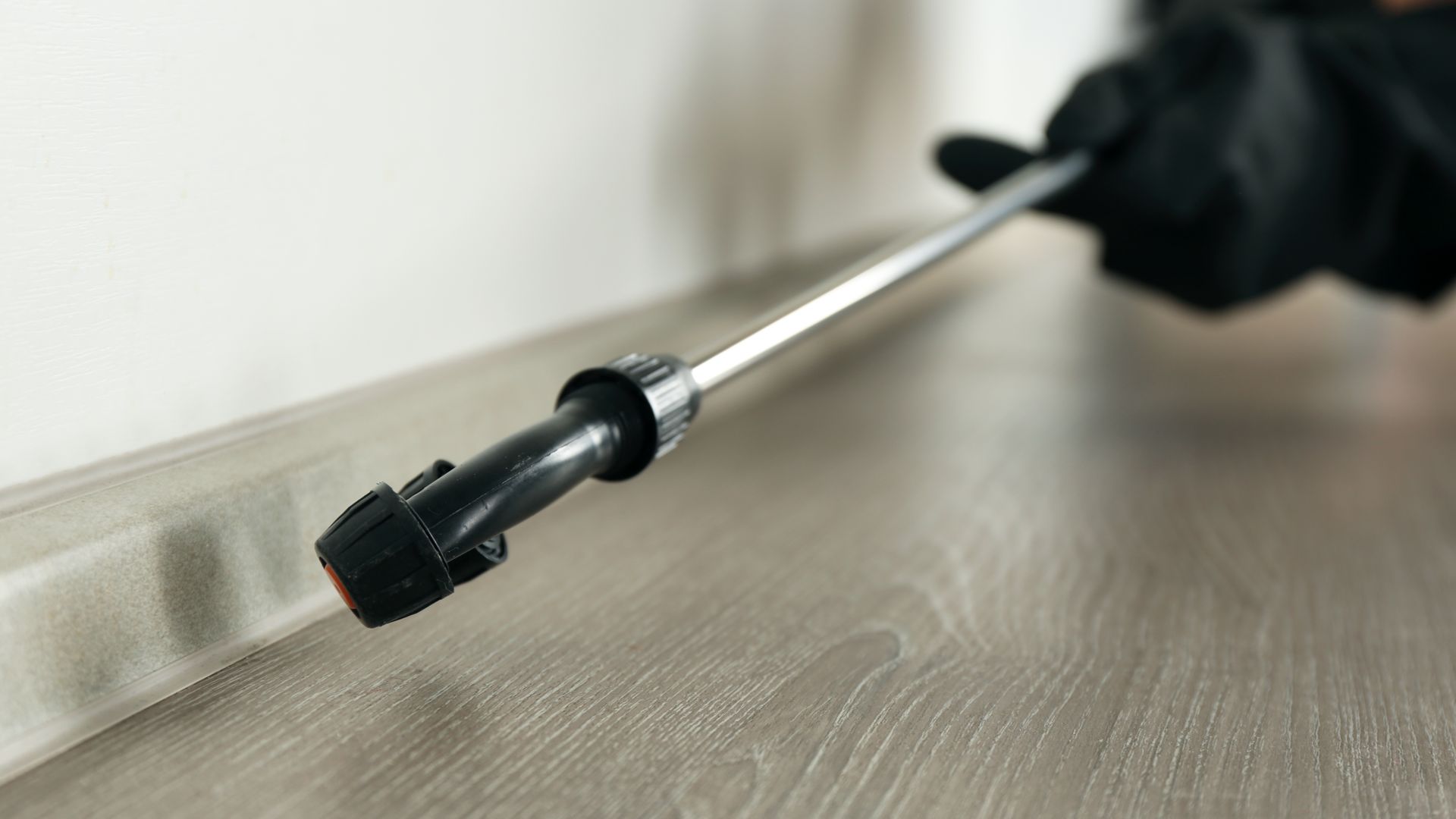
Our exterminators use Integrated Pest Management (IPM) to control stink bugs because these insects can invade homes in large numbers, damage crops, and release unpleasant odors when disturbed. IPM begins with a thorough inspection to identify entry points, congregation areas, and environmental factors that attract stink bugs, such as fruit trees, gardens, or poorly sealed building exteriors. Management strategies emphasize preventive measures, including sealing cracks and gaps, installing screens, and modifying habitats to reduce attractiveness, alongside targeted interventions like traps or localized insecticide applications when infestations are severe. Physical exclusion and sanitation practices help prevent reinfestation, while ongoing monitoring allows our exterminators to track activity and assess the effectiveness of control measures. By combining inspection, exclusion, habitat modification, selective treatment, and monitoring, IPM provides a sustainable, long-term, and environmentally responsible approach for managing stink bug populations.
Where Are Stink Bugs Found?
Stink bugs, belonging to the family Pentatomidae, can be found in a variety of habitats, as they have adapted to different ecosystems around the world. Their presence in these habitats often depends on their food sources and environmental conditions. Here are some common types of habitats where stink bugs are found:
- Agricultural Fields: Stink bugs are frequently found in agricultural settings, where they can be both pests and beneficial predators. They feed on a wide range of crops, including fruits, vegetables, grains, and legumes. Common agricultural stink bug species include the Green Stink Bug and the Southern Green Stink Bug.
- Gardens: Stink bugs can be found in home gardens, where they may feed on a variety of plants, including ornamental flowers and vegetables.
- Woodlands: Stink bugs are often present in wooded areas, where they feed on tree sap and can be found on a wide range of tree species. They may also inhabit leaf litter and forest understory.
- Grasslands: Some stink bug species are adapted to grasslands and meadows, where they feed on grasses and other herbaceous plants.
- Riparian Areas: Stink bugs are found near rivers, streams, and other water bodies, where they can feed on aquatic plants and the surrounding vegetation.
- Orchards: Orchards are common habitats for stink bugs, as they can feed on fruit trees such as apple, pear, and peach. The presence of stink bugs in orchards can pose a significant challenge to fruit growers.
- Wetlands: Stink bugs may be found in wetland areas, feeding on aquatic plants and marsh vegetation.
- Urban and Suburban Areas: Some stink bug species, such as the Brown Marmorated Stink Bug, are known for invading residential areas, seeking shelter in homes during the fall and overwintering there.
- Deserts: Stink bugs are also adapted to arid environments and can be found in deserts, where they feed on desert-adapted plants.
- Tropical and Subtropical Regions: Many stink bug species are prevalent in tropical and subtropical climates, where they can be found in rainforests, savannas, and other lush ecosystems.
- Mountainous Regions: Stink bugs can inhabit mountainous areas, including high-altitude meadows and forests.
- Cultivated Land: Stink bugs may also be found in cultivated areas such as farmlands, vineyards, and nurseries, where they can damage crops and plants.
Specific stink bug species may have more limited geographic ranges and are often associated with particular host plants. Some species have been introduced to new regions, where they can become invasive and cause economic and ecological disruptions. The distribution and impact of stink bugs can vary greatly, depending on the region and the local environment.
Learn more: Where Do Stink Bugs Come From? || What Attracts Stink Bugs?
Types Of Stink Bugs

Hear From Our Happy Customers
-
"Professional & Considerate"
I’m pleased with Miche services. Jarvis came today. Professional and considerate. Thank you!
- Judy B. -
"Great Communication"
Tech was on time, communication was great, and he accommodated my needs.
- Alonzo W. -
"Very Knowledgeable"
The tech that arrived was courteous, professional, and very knowledgeable. He was Great.
- Uerial I. -
"Fantastic & Patient"
Jarvis was fantastic and patient. He answered my questions with an in-depth explanation and addressed all of my areas of concern. Would love for him to be my assigned tech going forward. Well done!
- Yonnette M. -
"Wonderful Service"
Wonderful service. Jarvis is great. Took care of everything I needed. Thank you!
- Henry P. -
"Exceeds Expectations"
I can’t say enough positive things about this company... The tech that came out, Jarvis went above and beyond my expectations. Thank you guys, I will continue using your services.
- Jake M.