
Do Crickets Have Teeth?
Yes, crickets do have mandibles (structures that function like teeth), but nothing like human teeth:
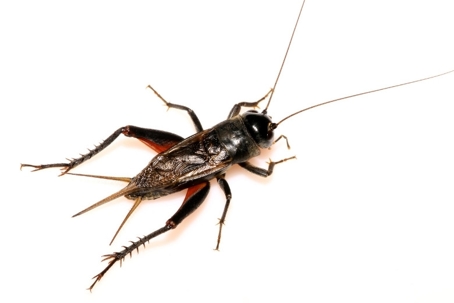
Mandibles as “teeth”: Crickets have two strong mandibles on either side of their mouth. These are hard, chitinous structures used to grasp, cut, and crush food. The edges of the mandibles often have serrated or tooth-like ridges, which serve the same purpose as teeth by breaking down plant material or other food.
Other mouthparts: Besides mandibles, crickets also have maxillae and labial palps. These structures help manipulate food and guide it into the mouth, but they are not toothed in the same way mandibles are.
Functionality: The “teeth” of crickets are perfectly adapted for their diet, which mainly consists of leaves, stems, and decaying plant matter. These serrated mandibles allow them to chew efficiently despite their small size.
Unlike mammals, cricket teeth do not grow continuously or contain enamel. They are purely chitin-based and wear down over time, but they are naturally tough enough for the insect’s dietary needs.
Can Crickets Bite?
Yes, crickets can bite:
Mandible use: Crickets bite using their mandibles, the same chitinous, serrated structures they use to chew food. Their bite is primarily for chewing plant matter, small insects, or other organic material.
Effect on humans: For most people, a cricket bite is harmless. It may feel like a tiny pinch or scratch, and it rarely breaks the skin. Crickets do not have venom, so they don’t inject toxins.
Likelihood of biting: Crickets generally avoid humans and bite only if they feel threatened or are handled roughly. They are more likely to try escaping than to bite.
Some larger cricket species, like certain Gryllus or Acheta species, have stronger mandibles and can pinch harder, but even then, it’s usually not dangerous.
Do Crickets Bite?
Crickets generally avoid biting, but there are certain situations where a bite is more likely:
Handling or provocation: The most common scenario is when a cricket is picked up, squeezed, or otherwise handled. Being trapped or threatened triggers a defensive response, and they may bite with their mandibles.
Competition for food: In confined spaces where food is scarce, crickets can become aggressive toward each other. While this is usually toward other crickets, a human hand placed in that environment might get pinched accidentally.
Mating or territorial disputes: Male crickets sometimes become aggressive when defending territory or competing for females. A person interfering with such a situation could be bitten if the cricket mistakes them for a rival.
Large or wild species: Some larger species have stronger mandibles capable of a more noticeable pinch. While still non-venomous, their bite can be more painful than that of smaller crickets.
Stressful environments: Crickets in unnatural, crowded, or brightly lit environments—like inside homes—may act defensively if they feel cornered, increasing the likelihood of a defensive bite.
In practice, bites are rare and usually only cause minor discomfort. Avoiding direct handling and giving them an escape route is the best way to prevent bites.
Do Crickets Bite Humans?
Crickets can bite humans, but it is extremely uncommon and usually harmless. Their bites occur when a cricket feels threatened, cornered, or handled roughly, as they use their mandibles—the hard, serrated mouthparts used for chewing food—to defend themselves. The sensation of a bite is typically very minor, feeling like a small pinch or scratch, and crickets do not possess venom, so there is no risk of poisoning. Larger species may produce a slightly more noticeable pinch, but even then, injuries are superficial. Most bites happen accidentally, such as when a cricket is trapped in clothing or pressed against the skin. Overall, crickets prefer to escape rather than attack, and any minor bite can be treated simply by cleaning the area to prevent infection.
Do Crickets Sting?
Crickets do not sting. Unlike insects such as bees, wasps, or certain ants, crickets lack a stinger or venom-injecting apparatus. Their defense mechanisms rely primarily on fleeing, hiding, or using their strong mandibles to pinch if handled or threatened. While they can produce a noticeable pinch with their jaws, it is not a true sting and does not inject any toxins. Crickets may also make loud chirping sounds to communicate or deter predators, but this is purely auditory and harmless. Overall, crickets pose no stinging threat to humans, and any interaction is limited to minor pinches or scratches at most.
Cricket Bites
Cricket bites are rare and typically not dangerous, but they can cause minor issues in certain situations. Most crickets lack the jaw strength to break human skin, and even when they do bite, the effects are usually mild. However, there are some potential risks to be aware of:
- Minor skin irritation or pain: A cricket bite may result in a small red mark, mild swelling, or a pinching sensation at the site. The area might feel slightly sore or itchy for a short time.
- Allergic reactions: Though uncommon, some people may experience a mild allergic response to a cricket bite or to contact with cricket saliva, feces, or shed body parts. Symptoms can include redness, itching, or localized swelling.
- Secondary infections: If the bite breaks the skin and isn’t cleaned properly, bacteria can enter the wound and cause infection. Signs include increased redness, swelling, warmth, pain, or pus at the site.
- Disease concerns (minimal): Crickets are not known to transmit diseases directly through bites. However, they can carry pathogens such as E. coli and Salmonella on their bodies or in their droppings, which can contaminate food or surfaces in heavily infested areas.
- Psychological discomfort: For some individuals, especially those with entomophobia (fear of insects), the idea or experience of being bitten can cause anxiety or distress even without physical harm.
In most cases, cricket bites require little to no treatment—simply wash the area with soap and water, apply an antiseptic, and use a cold compress if there’s swelling. If signs of infection or an allergic reaction develop, medical attention is advisable.
Do Cricket Bites Hurt?
Cricket bites are generally not painful and are usually limited to a brief, mild pinch or scratch. When a cricket uses its mandibles defensively, the sensation may feel like a tiny poke or slight pressure on the skin, but it does not cause significant pain or injury. Larger species may produce a more noticeable pinch, yet even then, it is unlikely to be more than a minor discomfort. Because crickets do not have venom, there is no burning, stinging, or lasting pain associated with their bites. In most cases, any mild irritation or redness fades quickly on its own, and the bite requires little to no treatment beyond basic cleaning if the skin is broken.
Do Cricket Bites Itch?
Cricket bites can cause mild itching, though it is usually minimal. The itchiness occurs primarily when the skin has been slightly broken or irritated by the cricket’s mandibles, rather than from any venom or toxin, since crickets are non-venomous. For most people, the sensation is brief and can be relieved by gently washing the area with soap and water. Occasionally, scratching may temporarily increase redness or irritation, but serious reactions are extremely rare. Overall, any itching from a cricket bite is minor and short-lived, typically resolving within a few hours to a day.
What Do Cricket Bites Look Like?
Cricket bites are rare and usually very mild, so the signs can be subtle. Here’s what they typically look like:
Appearance: Cricket bites are usually small, superficial marks that resemble tiny pinpricks or scratches on the skin. They rarely break the skin deeply or cause significant bleeding.
Redness and swelling: The area around the bite may appear slightly red or irritated, similar to a mild insect bite, but swelling is typically minimal and short-lived.
Itching or discomfort: Some people may experience mild itching or a slight stinging sensation immediately after the bite, but this generally subsides within a few hours.
Rarity of reaction: Severe reactions, such as large welts or allergic responses, are extremely rare because crickets do not inject venom. Any significant reaction is usually due to scratching or irritation rather than the bite itself.
Marks from a cricket bite usually fade quickly, often disappearing within a day or two without leaving lasting marks or scars.
Do Cricket Bites Swell?
Cricket bites rarely cause noticeable swelling. Because crickets are non-venomous, their bites generally only create minor superficial marks or slight redness on the skin. In some cases, a small, localized bump may form due to minor irritation or the body’s natural inflammatory response, but this swelling is usually minimal and short-lived. Larger species with stronger mandibles might produce a slightly more pronounced bump, yet it still fades quickly without medical intervention. Overall, any swelling from a cricket bite is mild and temporary, posing no serious health risk.
What To Do If A Cricket Bites You
If a cricket bites you, the good news is that it’s usually minor and not dangerous:
Clean the area immediately: Wash the bite with soap and warm water to remove any dirt or bacteria. Pat dry with a clean towel.
Apply a mild antiseptic: Use an over-the-counter antiseptic or antibiotic ointment to prevent infection.
Reduce irritation: If there’s redness, swelling, or itching, apply a cold compress for 5–10 minutes. Over-the-counter anti-itch creams (like hydrocortisone) or oral antihistamines can help if irritation persists.
Avoid scratching: Scratching can increase the risk of infection and slow healing.
Monitor for unusual reactions: Serious allergic reactions to cricket bites are extremely rare, but if you notice severe swelling, spreading redness, or signs of infection (pus, warmth, increasing pain), seek medical attention.
Prevent future bites: Avoid handling crickets directly. Keep living areas clean and reduce areas where crickets might hide. Contact us to learn how our professional pest control services can help with crickets.
Cricket bites are almost always minor and self-limiting, so in most cases, basic first aid is all that’s needed, aside from getting rid of the crickets themselves.