
Are Centipedes Poisonous Or Venomous?
Centipedes are venomous, not poisonous.
Are Centipedes Poisonous?
No, centipedes are not poisonous.
Are Centipedes Venomous?
Centipedes are venomous arthropods that use their venom primarily to subdue prey, such as insects, spiders, and small vertebrates. Most species produce venom that is potent enough to immobilize small animals but generally not life-threatening to humans. However, the composition and strength of the venom vary significantly by species.
Smaller centipedes (a few centimeters long) generally deliver venom that is similar in effect to a wasp sting. Larger tropical species (up to 30 cm or more) can inject enough venom to cause excruciating pain and systemic symptoms, though serious medical outcomes remain rare.
Centipede Venom
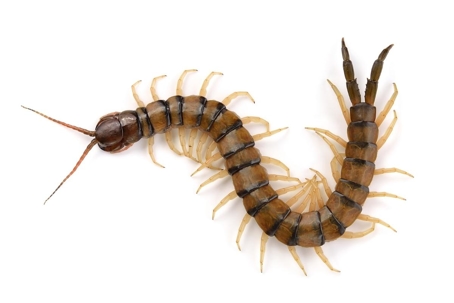
Centipede venom is a complex biochemical cocktail designed to immobilize and digest prey quickly. It’s injected through a pair of modified front legs called forcipules, which function like venomous fangs. While the exact composition varies by species, centipede venom typically contains a potent mix of neurotoxins, enzymes, and proteins that work together to paralyze small animals and begin breaking down their tissues. Here are the main components and their effects:
Neurotoxins: These toxins interfere with the nervous system of the prey by disrupting the normal flow of nerve signals. They cause paralysis, which prevents escape and makes the prey easier to consume. In humans, neurotoxins can cause intense pain, tingling, or temporary numbness around the bite site.
Cytolytic and Proteolytic Enzymes: These enzymes break down cell membranes and proteins in tissues, essentially pre-digesting the prey from within. This contributes to the burning pain and swelling in human bites, as these enzymes damage local tissues and trigger inflammation.
Cardiotoxins and Histamine-Releasing Compounds: Some centipede venoms contain compounds that can affect the cardiovascular system or trigger histamine release, leading to redness, itching, and localized swelling.
Antimicrobial Peptides: Interestingly, centipede venom also includes substances that help prevent bacterial infection in the centipede’s prey—these peptides have been studied for potential medical applications in humans.
The potency of the venom depends on the centipede’s size and species. Large tropical centipedes (genus Scolopendra) possess stronger venom capable of causing severe pain and more noticeable systemic symptoms such as fever, nausea, or dizziness. In contrast, smaller house centipedes (like the Scutigera coleoptrata) deliver only a mild sting that’s harmless to humans.
Centipede venom is an efficient predatory weapon—highly specialized for paralyzing and digesting prey, but rarely dangerous to humans beyond short-term pain and inflammation.
Are Centipedes Poisonous To Humans?
For the vast majority of people, centipede venom is not a serious medical concern. Most centipede bites result in localized pain, redness, and swelling similar to a bee or wasp sting. Systemic effects are uncommon and rarely dangerous.
Species-Specific Risk: The level of concern depends heavily on the species. Small, temperate centipedes (1–5 cm) are mostly harmless beyond mild pain. Large tropical species (like Scolopendra subspinipes or Scolopendra gigantea) can inject more venom, causing intense pain, temporary systemic symptoms (fever, chills, nausea), and, in rare cases, allergic reactions. Fatalities are exceedingly rare.
Vulnerable Populations: Infants, the elderly, and people with weakened immune systems or severe allergies are more at risk of complications. Secondary infections from the bite site are a bigger concern than the venom itself.
Practical Precautions: For people living in areas with large centipedes, it’s wise to wear gloves when handling debris or logs, seal cracks and entry points in homes, and educate children about not touching centipedes.
Medical Management: Most bites are self-limiting and can be managed with cleaning the wound thoroughly, applying ice to reduce swelling, and over-the-counter pain medication. Seek medical attention if severe swelling, persistent systemic symptoms, or allergic reactions occur.
Centipede venom is mostly a nuisance rather than a serious health threat, but large species can cause painful bites that warrant caution.
Are Centipedes Poisonous To Pets?
Centipede venom poses the greatest risk to small animals such as birds, reptiles, small rodents, and small mammals (like hamsters, gerbils, or young rabbits). Their low body mass makes them more vulnerable to the neurotoxins in centipede venom, which can cause severe pain, systemic effects, or even death in extreme cases.
Cats and Dogs: Medium- to large-sized pets like cats and dogs are less likely to suffer serious consequences from a centipede bite, though they can experience intense pain, localized swelling, and temporary distress. Dogs are more prone to try to bite or chew a centipede, increasing venom exposure, while cats may swat at them and get bitten on paws or face. Severe reactions are rare but possible in sensitive animals.
Exotic Pets: Reptiles, amphibians, and small exotic mammals kept in terrariums or cages can be highly vulnerable. For example, a centipede bite to a small lizard, frog, or baby rodent can be potentially lethal, particularly for larger centipede species.
Factors That Increase Risk: The smaller the pet relative to the centipede, the higher the risk. Larger tropical centipedes deliver more venom. Bites to the head, face, or mouth are more dangerous.
Preventive Measures: Keep centipedes out of areas where pets roam freely. Inspect cages, enclosures, or basements before placing small animals. Avoid handling centipedes if pets are nearby.
If a pet is bitten, wash the bite area gently if accessible, apply a cold compress to reduce swelling, and monitor for lethargy, vomiting, drooling, or difficulty breathing. Seek veterinary care immediately if symptoms escalate.