
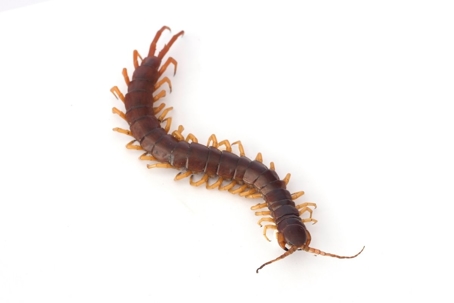
Can Centipedes Bite?
Yes, centipedes can bite, though the correct term is that they "sting" using their forcipules—specialized, claw-like appendages connected to venom glands near their head. These forcipules pierce the skin and inject venom, which centipedes use to subdue prey such as insects, spiders, and other small animals.
Do Centipedes Bite?
Centipedes are generally shy and avoid people, but they will defend themselves if they feel threatened. A bite usually happens only in specific situations where the centipede feels it has no escape. Common scenarios where a centipede might bite include:
Direct Handling – Picking up, trapping, or disturbing a centipede with your bare hands can provoke a bite, especially if you accidentally squeeze it.
Accidental Contact – If a centipede is hiding in clothing, shoes, bedding, or towels and someone presses against it unknowingly, it may bite to protect itself.
Cornered or Trapped – When a centipede cannot flee (for example, trapped in a sink, tub, or container), it may resort to biting as a defense.
Defensive Reactions Indoors – If one is startled by sudden movement, such as when cleaning or moving stored boxes, it might lash out if it feels threatened.
Outdoor Encounters – Stepping on, leaning against, or brushing against a centipede in its natural habitat (under rocks, logs, or debris) can lead to a defensive bite.
Centipedes don’t bite out of aggression or hunting behavior—they bite strictly in self-defense. Most bites cause localized pain, redness, and swelling, similar to a bee sting, though larger species can deliver more painful bites.
Do Centipede Bites Hurt?
For humans, a centipede bite is rarely dangerous, but it can be quite painful. The effects vary depending on the size and species of centipede:
Small house centipedes (the kind most often seen indoors) are generally harmless to people. Their forcipules are too weak to penetrate human skin in most cases.
Larger centipedes (like the tropical species Scolopendra) can deliver a noticeable bite that may cause localized pain, swelling, redness, itching, or a burning sensation.
Severe reactions are rare but possible, especially in individuals who are allergic or sensitive to insect venoms.
For most people, the pain is similar to a bee sting and subsides within a few hours to a couple of days. Basic first aid—washing the area, applying a cold compress, and taking over-the-counter pain relievers—usually helps. Medical attention is advised if symptoms worsen, signs of infection appear, or if the person has a history of allergic reactions.
Centipede Bites
Centipede bites can be painful and alarming, though serious complications are rare for most healthy adults. The main risks associated with centipede bites depend on the size of the centipede, the person’s sensitivity to the venom, and the location of the bite. Here’s a breakdown of the potential risks:
Pain and Swelling: The venom injected by a centipede’s forcipules (modified front legs) causes immediate, sharp pain similar to a bee or wasp sting. The area often becomes swollen, red, and tender for several hours to a few days.
Localized Skin Reactions: The bite site may develop blistering, bruising, or necrotic (dead) tissue in severe cases, particularly from larger centipede species such as the giant desert or tropical centipede.
Allergic Reactions: While uncommon, some individuals may experience allergic responses ranging from mild itching and hives to more severe reactions like difficulty breathing, swelling of the face or throat, or anaphylaxis. Immediate medical attention is essential if these symptoms occur.
Secondary Infection: Because centipede bites can break the skin, bacteria can enter the wound if it’s scratched or improperly cleaned. Infection may cause redness, pus, or increased pain around the bite site.
Systemic Symptoms (Rare): Larger bites may trigger generalized effects such as fever, chills, nausea, dizziness, or lymph node swelling. These reactions usually subside with supportive care but should be monitored by a healthcare provider.
Centipede bites are typically not life-threatening, but they can cause significant localized pain and discomfort. Medical attention is recommended if the pain is severe, symptoms spread beyond the bite area, or signs of infection or allergic reaction appear.
What Do Centipede Bites Look Like?
Centipede bites usually appear as two small, red puncture marks on the skin where the centipede’s forcipules (modified front legs that act like fangs) pierced the skin. The exact appearance can vary depending on the size of the centipede, the amount of venom injected, and how the individual reacts. Common characteristics include:
Redness and swelling: The area often becomes inflamed, ranging from mild redness to more significant swelling.
Puncture marks: Two closely spaced puncture points are sometimes visible, though they may be hard to see on darker skin tones or if swelling is severe.
Painful welt or raised bump: The bite may look like a bee sting or small blister.
Local warmth: The affected area may feel warmer than the surrounding skin.
Occasional bruising: Some people develop mild discoloration or bruising around the bite site.
In most cases, the bite looks similar to other insect or arachnid bites but tends to be more painful initially. Larger centipedes can cause more dramatic local reactions, sometimes spreading redness in streaks along the skin.
What To Do About Centipede Bites
If you get bitten by a centipede, it’s important to stay calm and treat the bite properly to reduce pain, swelling, and the risk of infection. Most bites heal on their own within a few days, but following these steps can help ensure proper care and recovery:
Clean the Wound: Wash the bite area thoroughly with soap and warm water to remove dirt and bacteria. This helps prevent infection.
Apply a Cold Compress: Use a clean cloth filled with ice or a cold pack for 10–15 minutes at a time. The cold helps reduce pain, swelling, and inflammation.
Control Pain and Swelling: Over-the-counter pain relievers like ibuprofen or acetaminophen can ease discomfort. You can also apply a topical hydrocortisone cream or an antihistamine lotion (like Benadryl cream) to reduce itching and redness.
Elevate the Area: If the bite is on an arm or leg, keep it elevated to minimize swelling.
Avoid Scratching or Squeezing: Scratching the bite can increase irritation and raise the risk of infection.
Monitor for Signs of Infection or Allergic Reaction: Watch for increasing redness, warmth, pus, fever, or worsening pain, which could signal infection. Seek medical attention immediately if you experience difficulty breathing or swallowing, swelling of the face, lips, or throat, and/or dizziness, confusion, or rapid heartbeat.
Seek Medical Care for Severe Bites: Larger centipedes, such as tropical or giant species, can deliver more potent venom. If bitten by a large centipede or if the pain is severe and persistent, a doctor may prescribe pain medication, antibiotics, or a tetanus booster if needed.
In most cases, centipede bites heal within a few days to a week with proper care. Keeping the area clean and avoiding further irritation are the best ways to promote recovery.