
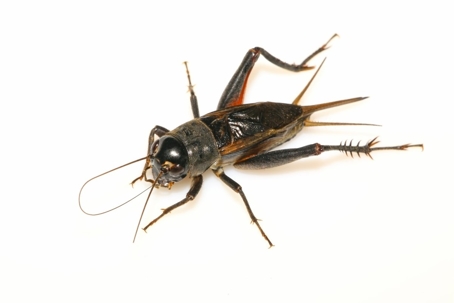
How To Get Rid Of Crickets
When crickets get into a home or business, they can be more than just a nuisance—their constant chirping is disruptive, they can damage fabrics, paper, and stored goods, and their presence often attracts other pests like spiders. While our professional pest control services provide the most thorough and lasting results, there are several effective steps a homeowner or business owner can take to get rid of crickets themselves:
Identify the Source and Entry Points: Before taking action, locate where crickets are entering your home or business. Check for gaps around doors, windows, vents, and foundation cracks. Exterior lighting can attract crickets, so note areas near bright lights at night. Sealing these entry points with weatherstripping, caulking, or door sweeps is the first step in preventing further infestations.
Remove Food and Water Sources: Crickets are drawn to moisture and food debris. Inside, keep areas clean by vacuuming crumbs, sealing pantry items, and promptly addressing spills. Outside, remove decaying plant matter, mulch, and standing water. Fix leaky faucets and ensure gutters direct water away from the building. Reducing these resources makes the environment less hospitable.
Adjust Outdoor Lighting: Crickets are attracted to bright lights, especially at night. Switch to yellow or sodium vapor lights around entrances, or reduce unnecessary outdoor lighting. Position lights away from doors and windows to minimize attraction to the structure.
Use Traps: Sticky traps or glue boards placed along baseboards, behind appliances, or near entry points can capture crickets effectively. Commercial cricket traps that use pheromones or baited attractants can also reduce populations indoors. Regularly check and replace traps to maintain effectiveness.
Apply Insecticides with Caution: For heavy infestations, targeted use of insecticidal sprays or dusts can be effective. Apply products labeled for crickets along baseboards, cracks, crevices, and other hiding spots. Outdoors, treat the perimeter of the building and areas with dense vegetation. Always follow label instructions and consider low-toxicity options for indoor use.
Maintain a Dry Environment Indoors: Use dehumidifiers in basements, crawl spaces, and other damp areas to reduce moisture, as crickets thrive in humid conditions. Improve ventilation in attics and storage spaces to limit areas where crickets can survive.
Regularly Monitor and Maintain: Inspect the property weekly during peak cricket seasons (late summer to early fall) for signs of activity. Maintain cleanliness, seal new cracks, and rotate traps. Persistent monitoring ensures minor problems do not escalate into large infestations.
Landscaping Adjustments: Trim tall grass, weeds, and overgrown vegetation near the building. Keep mulch and leaf litter at least 12–18 inches from the foundation to reduce shelter. Consider creating a gravel or stone buffer zone around the perimeter, which discourages crickets from approaching doors and walls.
Consider Natural Predators: If appropriate for your area, encouraging natural predators such as birds, spiders, and certain beneficial insects can help reduce cricket populations. This approach works best in outdoor settings and as a complementary measure alongside other control methods.
The best DIY cricket control strategy is a combination of prevention (reducing lights and moisture, sealing entry points), direct removal (traps and vacuuming), and targeted insecticide use when necessary. By making your property less inviting and cutting off their entry, you’ll greatly reduce both current cricket populations and the chance of future infestations.
How To Get Rid Of Crickets Fast
The fastest results come from combining immediate-kill methods with habitat modification and exclusion. Here are some methods to try for rapid cricket elimination:
Insecticidal Sprays (Fast Kill Indoors): Use ready-to-spray insecticides labeled for crickets along baseboards, cracks, crevices, behind appliances, and other hiding spots. Look for pyrethroid-based sprays, which act quickly on contact. Indoors, avoid over-spraying and follow ventilation instructions.
Sticky or Glue Traps (Immediate Capture): Place traps along walls, under furniture, near entry points, and in corners where crickets are active. Traps can instantly reduce visible populations and help identify hotspots for targeted treatment.
Bait Stations (Rapid Reduction of Active Population): Cricket baits attract insects to consume poison, which they then carry back to hiding spots. They take longer than contact sprays to kill but reduce overall population over a few days.
Outdoor Perimeter Insecticides (Prevent Re-entry): Treat the foundation, doorways, and around window frames with insecticidal dust or spray. Pyrethroid perimeter treatments create a barrier, stopping crickets from moving inside.
Immediate Habitat Modification: Remove piles of leaves, mulch, or debris within a few feet of the building. Turn off or switch outdoor lighting to yellow “bug lights” to reduce attraction at night. Reduce moisture by fixing leaks and using dehumidifiers indoors.
Physical Exclusion (Fastest Long-Term Prevention): Seal cracks, gaps, and entry points around doors, windows, and vents. Even after a rapid kill, new crickets will enter if the building remains accessible.
For the fastest knockdown, a combination of indoor sprays + sticky traps + perimeter insecticides works best. Habitat and entry-point modifications prevent reinfestation and sustain the results.
How To Get Rid Of Crickets Permanently
Permanently eliminating crickets requires a comprehensive, multi-pronged strategy that combines exclusion, habitat modification, population reduction, and ongoing monitoring. Single treatments on their own rarely provide lasting results because crickets can continue to enter from outdoors. Here’s how to get rid of crickets long term:
Seal Entry Points Completely: Inspect the building thoroughly for gaps around doors, windows, vents, pipes, and foundation cracks. Use caulking, weatherstripping, door sweeps, and mesh screens to block all potential entrances. Permanent exclusion is critical because crickets will continue to invade if openings remain.
Eliminate Indoor and Outdoor Food and Moisture Sources: Keep indoor areas clean: vacuum regularly, store dry goods in airtight containers, and remove crumbs or spilled liquids promptly. Outdoors, remove leaf litter, mulch near foundations, and decaying plant matter. Fix leaks, address standing water, and reduce high humidity in basements, crawl spaces, and storage areas.
Adjust Outdoor Conditions to Discourage Crickets: Replace dense mulch and thick ground cover near the building with gravel or stone barriers. Trim tall grass, weeds, and shrubs at least 12–18 inches from the structure. Reduce nighttime lighting near doors and windows, or switch to yellow “bug lights.”
Targeted Insecticide Treatments: Use residual insecticidal sprays or dusts along baseboards, cracks, crevices, and other hiding places indoors. Treat the perimeter of the building outdoors with a pyrethroid or other long-lasting barrier insecticide. For lasting results, apply according to label directions and reapply only as recommended; overuse can be hazardous and ineffective.
Baits and Traps: Bait stations with slow-acting insecticides help reduce cricket populations in hiding spots. Sticky or glue traps capture active crickets and reveal hotspots that need additional treatment. Rotating trap placement can help ensure remaining crickets are captured over time.
Maintain a Dry, Unattractive Environment Indoors: Use dehumidifiers in basements, crawl spaces, and storage areas.Improve ventilation to prevent moisture buildup. Crickets cannot establish permanent populations in consistently dry, clean spaces.
Ongoing Monitoring and Maintenance: Inspect the building regularly, especially during late summer and early fall when crickets are most active. Repair new cracks or openings immediately. Continue to remove debris and control moisture to prevent re-establishment.
Optional Natural Predators (Outdoor Only): Birds, spiders, and beneficial insects can help keep outdoor cricket populations lower. This is supplementary and should not replace the exclusion and sanitation steps.
Permanent control depends less on “killing crickets now” and more on preventing new crickets from entering and making the environment unsuitable for breeding and survival. Even a small lapse in exclusion or sanitation can allow reinfestation.
How To Get Rid Of Crickets Naturally
Natural methods can be surprisingly effective at reducing cricket populations if applied consistently, though they usually require combining multiple strategies for full control:
Diatomaceous Earth (DE): A fine, powdery substance made from fossilized algae, DE is non-toxic to humans and pets. Sprinkle it along baseboards, cracks, crevices, and entry points. Crickets that walk through it lose protective oils on their exoskeleton, dehydrate, and die. Best used in dry areas; moisture reduces effectiveness.
Sticky or Glue Traps: Natural in the sense that no chemical toxins are involved. Place traps along walls, corners, and near entry points to catch active crickets. Regular replacement ensures continuous population reduction.
Essential Oils and Repellents: Oils such as peppermint, lavender, or neem can repel crickets when diluted and sprayed along baseboards, doorways, or window sills. These won’t kill instantly but can reduce activity and discourage them from entering.
Reduce Moisture and Food Sources: Crickets are attracted to damp, dark areas with accessible food. Fix leaks, ventilate damp spaces, and use dehumidifiers indoors. Keep areas clean and remove crumbs or decaying plant material outdoors. This creates an inhospitable environment that naturally reduces their numbers.
Physical Barriers and Exclusion: Seal cracks, gaps, and openings using caulk, weatherstripping, or mesh screens.Keep doors and windows closed or fitted with fine screens. This prevents new crickets from entering, which is crucial for a natural, chemical-free approach.
Predators (Outdoor Natural Control): Birds, frogs, lizards, spiders, and beneficial insects (like predatory beetles) can significantly reduce outdoor cricket populations. This is mostly useful for exterior control but can lower the pressure of crickets trying to enter the building.
Traps Using Natural Baits: Homemade traps using rolled-up damp newspaper, cardboard tubes, or shallow containers with beer or sugar water attract crickets at night. Trapped crickets can be collected and disposed of, reducing numbers over time.
Natural methods work best preventatively or for small infestations. For large, established populations, natural approaches alone often take weeks to achieve noticeable results, so combining them with exclusion and habitat management is essential for success.
The Best Way To Get Rid Of Crickets
Our professional pest control is the best way to get rid of crickets because it goes beyond the surface-level fixes that most homeowners and business owners can achieve with DIY methods. While traps and sprays may temporarily reduce cricket activity, our professionals are trained to identify the root causes of infestations and implement long-term solutions. Here’s why our expert services are the best way to get rid of crickets:
Accurate Identification of the Problem
Not all crickets are the same—house crickets, field crickets, and camel crickets behave differently and require different control strategies.
Our professionals know how to distinguish species and tailor treatment to their specific habits, hiding places, and breeding patterns.
Targeted Treatment Plans
Our exterminators use commercial-grade products and baits that are more effective than store-bought options.
We apply treatments precisely to nesting sites, entry points, and harborage areas, ensuring maximum impact with minimal chemical exposure indoors.
Moisture and Habitat Management
Crickets thrive in damp, cluttered, or poorly sealed environments. Our professionals don’t just kill the insects—they address the conditions attracting them.
This may include recommending structural repairs, improving drainage, or removing exterior debris that fosters infestations.
Preventing Secondary Pest Issues
Crickets often attract spiders, rodents, and other predators looking for food. By eliminating the crickets properly, our pest control services also reduce the risk of other infestations.
Long-Term Prevention
Our professionals establish barrier treatments around the foundation and entry points to stop future invasions.
We provide ongoing maintenance plans, ensuring crickets (and other pests) stay under control year-round.
Safety and Expertise
DIY sprays and powders, if misapplied, can be hazardous to people, pets, or stored goods.
Our licensed technicians are trained to use products safely and strategically, reducing unnecessary exposure.
Hiring our professional pest control for crickets means you don’t just silence the noise—you eliminate the source, protect your property from damage, and reduce the risk of recurring infestations. Our experts combine inspection, targeted treatment, and preventive strategies that most DIY approaches can’t match.
Get Rid Of Crickets With Miche Pest Control
Hiring our team of professionals at Miche Pest Control is an investment in long-term protection, expertise, and peace of mind. Here’s why:
- Personalized Service and Local Expertise: We know the specific pest pressures in the area. Our technicians understand the environment, climate, and building types common to the area, allowing them to provide targeted, effective treatments.
- High-Quality, Comprehensive Solutions: As a full-service provider, we don’t just treat surface problems; we address the root causes. From inspections and prevention to exclusion and ongoing maintenance, we deliver complete, integrated pest management (IPM) programs designed to both eliminate infestations and prevent future ones.
- Accountability and Reliability: We live and die by our reputation. We rely on trust, referrals, and repeat business, meaning we're committed to doing the job right the first time and providing exceptional customer care.
- Faster Response Times: We respond quickly to emergencies and schedule services sooner than large, national chains. Especially when you’re dealing with urgent pest issues, that speed matters.
- Customized Treatment Plans: We tailor our services to your property’s specific needs instead of using one-size-fits-all chemical treatments. This results in safer, more effective pest control that minimizes environmental impact and reduces unnecessary pesticide use.
- Highly Trained, Experienced Technicians: We invest in training, certification, and continuing education for our technicians. We stay current on the latest pest biology, control techniques, and safety standards.
- Long-Term Prevention and Value: Our focus on providing quality service means fewer callbacks, longer-lasting protection, and better value over time. Instead of repeated, temporary fixes, you get strategic solutions that protect your home or business for the long run and provide better peace of mind.
Hiring our team means you get expertise you can trust, faster service, safer and more effective treatments, and long-term results that protect both your property and your peace of mind. Contact us today!