Cobweb Spiders
Are Cobweb Spiders Harmful?
While most cobweb spiders are fairly harmless, there are a few ways they could potentially be considered harmful. Here are some of the ways cobweb spiders can be considered harmful:
- Bites and Allergic Reactions: While most cobweb spiders, such as the house spider, are not known for their venomous bites and typically pose no serious risk to human health, certain species, like the black widow and brown widow, have bites that can cause symptoms including pain, muscle cramps, or nausea. In some rare cases, a more severe allergic reaction may occur, leading to swelling, dizziness, or other symptoms.
- Infection Risk from Bites: In rare instances, any bite can lead to secondary infection, especially if the bite site is not cleaned properly. If a cobweb spider's bite becomes infected (due to bacteria on the skin or lack of wound care), it could potentially lead to more serious issues. However, this is uncommon and would likely only occur if the individual scratched or otherwise irritated the bite area.
- Psychological Impact: Some individuals have a strong fear of spiders, a condition known as arachnophobia. The sight of cobwebs, or the spiders that create them, can trigger significant anxiety, stress, or panic, particularly in people with a severe phobia. This psychological impact, while not directly harmful to physical health, can negatively affect a person’s well-being and quality of life. For these individuals, even the more harmless cobweb spiders may be seen as a source of distress.
- Structural Damage to Property (Indirectly): While cobweb spiders themselves do not cause direct structural damage to a property, the webs they create can be unsightly and difficult to remove. In extreme cases, excessive buildup of webs in hidden corners, walls, or ceilings could attract moisture or other insects, which might indirectly contribute to conditions that could lead to mildew or rot, especially in areas with high humidity. This would typically be a concern for neglected, unmaintained buildings or properties.
While cobweb spiders are generally not dangerous, they can be considered harmful in a few specific situations, such as when they cause anxiety, contribute to unsightly conditions, or are involved in a larger pest issue.
Learn more: Do Cobweb Spiders Bite?
Cobweb Spider Removal
Getting rid of cobweb spiders is important for several reasons. While most species are not dangerous to humans, their presence can signal underlying issues and create problems if left unchecked:
- Hygiene and Cleanliness: Cobweb spiders leave behind webs, shed skin, and dead insects. Over time, this can make a space appear dirty or neglected, particularly in corners, ceilings, attics, basements, and storage areas. Regular spider removal contributes to a cleaner, more sanitary environment.
- Pest Control: The presence of cobweb spiders often indicates that other insects are present, since these spiders feed on insects like flies, mosquitoes, and small pests. While this may seem beneficial, it also points to a larger pest problem that could affect your property. Eliminating spiders is often part of a broader pest management strategy.
- Property Damage Prevention: Some spiders can build extensive webs in corners, vents, or ducts, potentially interfering with ventilation systems or blocking air flow. In some cases, spider webs can trap dust and debris, which over time can contribute to maintenance issues.
- Health and Allergies: While most cobweb spiders are not venomous to humans, their webs and shed materials can trigger allergies in sensitive individuals. Dust, spider silk, and droppings can exacerbate respiratory issues or allergic reactions, particularly in children or people with asthma.
- Psychological Comfort: Many people experience anxiety or discomfort in spaces with visible spiders and webs. Eliminating cobweb spiders improves comfort, reduces fear, and makes living or working environments feel safer and more welcoming.
- Preventing Infestations: While cobweb spiders themselves usually do not multiply rapidly indoors, their presence can encourage other pests that serve as food sources. By controlling spiders, you indirectly help manage other insects, reducing the chance of larger infestations.
- Professional Image: In commercial spaces, visible spider webs and spiders can negatively impact the perception of hygiene and professionalism. Our regular pest control includes spider removal and helps maintain a clean, trustworthy appearance for clients and visitors.
Controlling cobweb spiders is less about immediate danger and more about maintaining cleanliness, preventing other pest problems, reducing allergens, protecting property, and ensuring psychological comfort. Proactive spider management is a key part of overall pest control and maintaining a healthy, professional environment.
Learn more: How To Get Rid Of Cobweb Spiders
Cobweb Spider Control
Hiring our professional pest control for cobweb spiders (commonly referred to as house spiders, including species like Parasteatoda tepidariorum) offers several significant advantages over DIY approaches:
- Expert Identification: Not all spiders are harmless. While most cobweb spiders are not dangerous to humans, misidentifying them could be risky, especially in areas where more venomous spiders, like brown recluses or black widows, may be present. Our professionals can accurately identify the species and assess whether immediate intervention is needed.
- Targeted and Effective Treatments: Cobweb spiders often hide in hard-to-reach areas: corners, ceilings, basements, attics, behind furniture, and even inside seldom-used storage. Our professionals have access to specialized insecticides and treatment methods that are more effective than store-bought sprays. We can treat not just the spiders you see, but also the areas where they hide and lay eggs.
- Preventing Reinfestation: Spiders reproduce quickly and leave egg sacs that are often overlooked in DIY cleaning. Our professionals know how to remove or treat these egg sacs and can provide solutions to prevent future infestations. This includes sealing entry points, reducing clutter, and recommending environmental modifications that discourage spider habitation.
- Safety: Even seemingly harmless spiders can bite if provoked. Our professionals use proper safety equipment and chemicals in ways that minimize risk to humans, pets, and valuable household items. DIY chemical use can be ineffective or hazardous if applied incorrectly.
- Time and Convenience: Eliminating spiders requires more than just spraying visible webs. Our professionals save you the hassle of repeated cleaning and ineffective treatments. Our systematic approach ensures the problem is addressed thoroughly and efficiently.
- Long-Term Cost Savings: While DIY methods may seem cheaper upfront, repeated treatments and persistent infestations can become costly. Our professional control provides a more lasting solution, reducing the need for constant maintenance and cleaning.
- Holistic Pest Management: Our professional pest control doesn’t just target spiders—we also identify other pests that spiders feed on, such as flies and other insects. By controlling the overall insect population, spider problems are naturally reduced.
Hiring our professionals for cobweb spider control is not just about removing the spiders you see. It’s about safe, effective, long-term management, preventing reinfestation, and ensuring your home remains comfortable and pest-free.
Cobweb Spider Exterminators
Hiring our local exterminators instead of a national company for cobweb spider control provides several advantages:
- Expertise with Local Spider Species: Our local exterminators have in-depth knowledge of the spiders native to the area, including their habits, preferred hiding spots, and seasonal behavior. National companies follow standardized protocols that often do not address the specific species in the region. Our local expertise ensures our treatments target the exact species and their life cycle effectively.
- Tailored Treatment Plans: Because our local exterminators understand the area’s climate, typical infestations, and common household vulnerabilities, we design a customized plan. This may include strategic placement of residual insecticides, non-chemical interventions, and preventive measures specific to the conditions of your property. National companies typically rely on uniform solutions that are often not optimized for local homes or buildings.
- Faster Response Times: Our local exterminators can often respond the same day or within 24–48 hours, which is crucial for controlling spider populations before they spread. National companies often have scheduling delays due to centralized dispatching and multiple layers of administration, leaving infestations unaddressed longer.
- Ongoing Support and Follow-Up: Our local pest control team provides personalized follow-ups and maintenance visits to ensure spiders do not return. We monitor problem areas and adapt our strategies as needed. National companies rely on rigid service intervals with limited flexibility or customization, which are less effective in long-term spider management.
- Knowledge of Local Building Types and Conditions: Our local exterminators are familiar with the construction styles, insulation practices, and common entry points for spiders in the area. This helps us identify hidden nesting sites, entry points, or structural vulnerabilities that national companies often overlook.
- Community Reputation and Accountability: Our local team relies heavily on our reputation in the community. We are incentivized to provide high-quality, thorough service because word-of-mouth referrals and repeat customers are essential to our success. National companies often prioritize scale and efficiency over quality, leading to less personalized care.
- Cost-Effectiveness: We have lower overhead than the corporate management structure of national chains, meaning our services are more competitively priced. Additionally, our tailored treatments reduce wasted chemicals and repeated visits, saving money in the long run.
- Integrated Pest Management (IPM) Approach: Our local professionals practice IPM, which combines chemical, physical, and preventive strategies. This minimizes unnecessary chemical exposure while targeting spider populations effectively. National companies often rely more heavily on standardized chemical treatments without fully integrating non-chemical controls.
Hiring our local exterminators gives you precision, speed, and long-term results. We bring region-specific knowledge, flexible service, and personalized care that national companies usually can’t match. For cobweb spiders, which thrive in corners, ceiling spaces, and hidden nooks, this targeted expertise makes a significant difference in effectiveness and prevention.
Cobweb Spider Solutions
Our exterminators use Integrated Pest Management (IPM) to control cobweb spiders because, although these spiders are generally harmless, their webs can accumulate in homes, garages, and storage areas, creating unsightly messes and nuisance problems. IPM begins with a thorough inspection to identify spider activity, web locations, and environmental conditions that attract them, such as dark corners, clutter, and the presence of insect prey. Management strategies focus on habitat modification by removing clutter, improving ventilation, reducing moisture, and controlling insect populations to make areas less hospitable for cobweb spiders. Physical controls, including careful web removal and exclusion techniques, help limit spider presence, while targeted insecticide applications are used selectively only in areas of persistent activity. Ongoing monitoring allows our exterminators to track spider populations, assess the effectiveness of control measures, and prevent reinfestation. By integrating inspection, habitat management, selective treatment, and monitoring, IPM provides a long-term, safe, and environmentally responsible approach to managing cobweb spider populations.
What Do Cobweb Spiders Look Like?
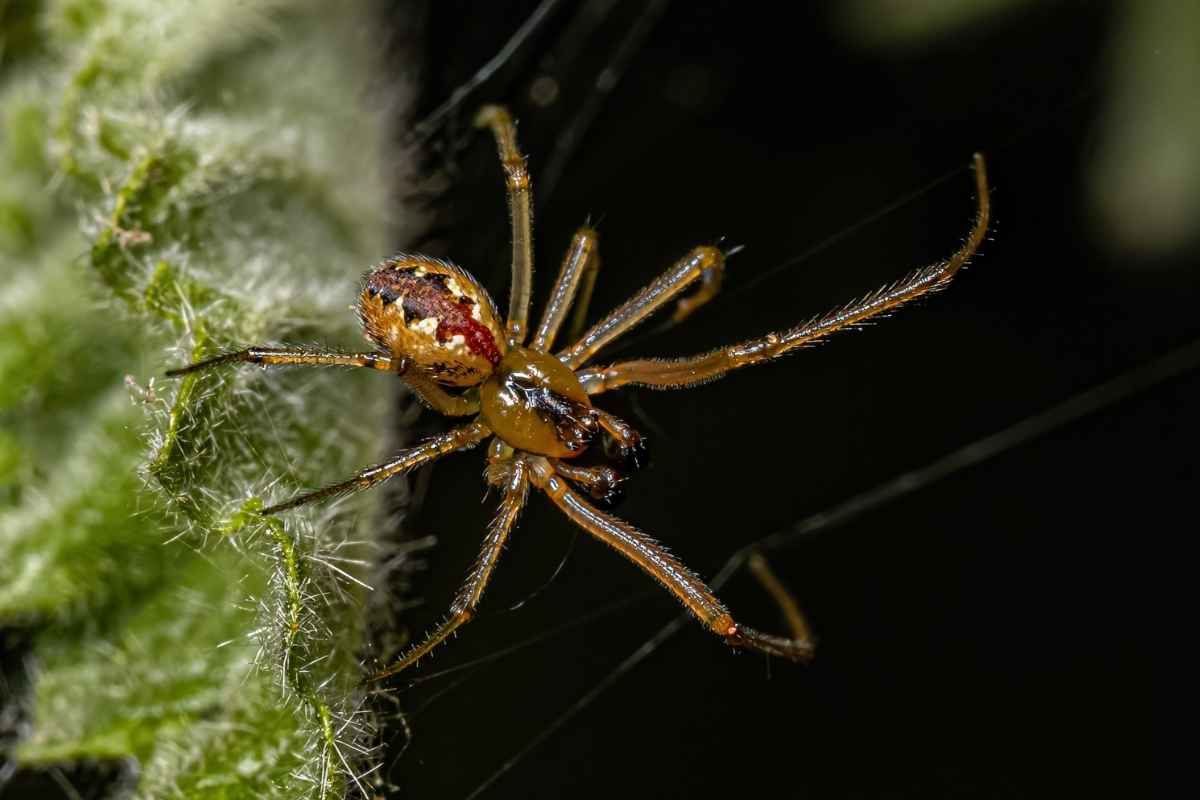
Cobweb spiders vary in appearance depending on the species, but there are some common characteristics that can help identify them. Most cobweb spiders are relatively small and have a somewhat messy or unremarkable appearance compared to more striking spider species. Here's an overview of their typical features:
- Size: Cobweb spiders tend to be small to medium-sized. Their body length usually ranges from 1/4 inch to 1 inch(6 to 25 mm), although some can be slightly larger.
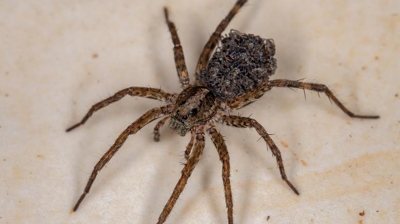
- Shape: The body shape of cobweb spiders is often somewhat bulbous or rounded, particularly in the abdomen. The cephalothorax (the fused head and thorax) is generally smaller than the abdomen, giving the spider a more rounded appearance.
- Common Colors: Most cobweb spiders are either brown, gray, tan, or yellowish, often with darker markings or patterns on their abdomen. These colors help them blend into the corners and hidden spaces where they make their webs.
- Patterns: Some species may have distinct markings, such as spots, bands, or irregular patterns, often located on the back of the abdomen. However, the pattern can be faint or absent in some species, making them appear more uniformly colored.
- Leg Length: The legs of cobweb spiders tend to be long and thin in proportion to their bodies. Their legs are generally spindly and slender, giving them an elongated appearance.
- Leg Color: The legs are often slightly darker than the body, ranging from brown to gray, and can sometimes be marked with subtle banding.
- Irregular Web Shape: Cobweb spiders are named for the irregular, tangled webs they build, which are typically sticky and chaotic in appearance. These webs are often constructed in dark, undisturbed corners or crevices in homes, sheds, or natural environments.
- Web Material: The silk used to create cobwebs is finer and stickier than the silk of orb-weaving spiders. Cobwebs tend to be messy, with no clear geometric pattern, unlike the neat, circular webs built by orb weavers.
- Eyes: Like most spiders, cobweb spiders have eight eyes, though they may be hard to see due to their small size and the way they are arranged. The arrangement of the eyes varies between species, but they typically form two rows of four eyes.
Cobweb spiders tend to have small to medium-sized, bulbous bodies, long slender legs, and typically brown, gray, or tan coloring. Their irregular, tangled webs distinguish them from other types of spiders. While they may not be as striking as some other spider species, they are effective hunters, often remaining hidden in corners or other undisturbed areas.
Where Are Cobweb Spiders Found?
Cobweb spiders are typically found in places where they can build their irregular, messy webs in undisturbed areas. These spiders prefer environments that are quiet, sheltered, and often have a stable source of prey. Here are the most common locations where you are likely to encounter cobweb spiders:
- Corners and Ceilings: Cobweb spiders often prefer dark, undisturbed spaces like the corners of rooms, especially in areas where there is little foot traffic. They frequently build their webs in high corners near the ceiling.
- Basements and Attics: These areas tend to be quiet, undisturbed, and often have plenty of places for spiders to create their webs. Basements, in particular, offer the added benefit of cooler, more humid conditions, which cobweb spiders tend to favor.
- Behind Furniture or Appliances: Cobwebs can accumulate behind or beneath large pieces of furniture like sofas, bookcases, or appliances, such as refrigerators and washing machines. These areas are often overlooked during regular cleaning and provide ideal hiding spots.
- Windowsills and Doorways: In homes with infrequent use or in older buildings, cobweb spiders often take refuge in windowsills or around doorways, particularly in the space between the window frame and the wall.
- Closets: Less frequently accessed closets can also be ideal spots for cobweb spiders to create their webs, as they are often tucked away from daily activity.
- Under Rocks, Logs, and Tree Bark: Cobweb spiders may be found in natural outdoor environments like forests, gardens, or yards, often hiding in crevices beneath rocks, logs, or tree bark. These areas provide shelter and a stable environment for the spiders to build their webs.
- Underneath Outdoor Furniture: Outdoor furniture such as lawn chairs, benches, or tables can be a common spot for cobweb spiders to build webs, especially in areas that are not frequently cleaned or moved.
- Garages and Sheds: Similar to basements and attics inside a house, garages, and sheds are ideal locations for cobweb spiders. These spaces often remain undisturbed, providing a perfect location for the spiders to hide and build their webs, especially in corners or high up near the ceiling.
- Barns or Warehouses: Cobweb spiders may also be found in larger outdoor structures like barns, warehouses, or storage sheds. These places often have many dark corners and are less frequently cleaned, making them ideal spots for cobweb spiders to inhabit.
Cobweb spiders build their webs in locations where there is a high likelihood of insects becoming trapped. Since cobwebs are sticky, they are well-suited for catching flying insects like moths, flies, and mosquitoes. Therefore, areas with higher insect populations tend to attract cobweb spiders. These include:
- Areas with Lights: If your house has porch lights or other outdoor lights that attract insects, cobweb spiders may be nearby, waiting for the insects to become trapped in their webs.
- Gardens and Flower Beds: The presence of insects like moths, flies, and beetles in gardens can attract cobweb spiders, especially in places where the vegetation is dense enough to offer shelter.
- Storage Rooms or Unused Rooms: Any area of the house that is not frequently accessed or cleaned is more likely to have cobwebs. Storage rooms, guest bedrooms, or any room that is used infrequently is a prime location for cobweb spiders to take up residence.
- Attic or Crawlspaces: These areas are particularly common for cobweb spiders because they are often neglected and have limited human activity. They provide ample hiding spaces in which to build their webs.
- Cellars or Cellar Windows: Like basements, cellars or basement windows that are rarely opened or used can be a common place for cobweb spiders to live.
- Behind or Inside Wall Cracks: If you have structural cracks in walls, ceilings, or floors, cobweb spiders may take shelter in these gaps, where they can create webs and remain unnoticed.
Cobweb spiders are most likely to be encountered in areas that are quiet, dark, and undisturbed. You’ll find them inside homes in corners, basements, attics, and behind furniture or appliances. Outdoors, they prefer sheltered spots under rocks, logs, or tree bark, and they are often found in garages, sheds, and barns. These spiders thrive in places where they can construct their characteristic messy webs, catching insects that fly into them. Regular cleaning and maintenance in these areas can help reduce the likelihood of encountering cobweb spiders.
What Do Cobweb Spiders Eat?
Cobweb spiders, also known as tangle-web spiders, primarily feed on small insects, which they capture in their irregular, messy webs. These spiders are opportunistic hunters, catching a variety of flying insects such as flies, moths, and mosquitoes, as well as crawling insects like ants and beetles.
The spiders rely on their webs to trap prey. Once an insect becomes entangled, the spider quickly moves to immobilize it with venom, which both subdues the prey and begins the process of digestion. The spider then liquefies the prey’s internal tissues and sucks up the nutrients, leaving behind the indigestible parts, such as exoskeletons.
Cobweb spiders don't actively hunt or chase down their prey; instead, they wait for it to stumble into their webs. After catching prey, they will often retreat to a nearby hiding place or shelter within the web, only emerging to feed or repair the web.
Cobweb Spider Life Cycle
The life cycle of cobweb spiders typically follows four stages: egg, larva (or juvenile), adult, and death. The cycle varies slightly depending on species, but it generally follows this sequence:
- Egg Stage: The life cycle begins when the female cobweb spider lays eggs. She typically deposits the eggs in a silk sac, which she attaches to a safe location within her web or in a hidden spot nearby. The egg sac is often spherical and can contain dozens of eggs, depending on the species. The mother may protect the sac for a period of time or leave it unattended once laid.
- Spiderling Stage: Once the eggs hatch, the young spiders, or spiderlings, emerge. At this stage, they are very small and vulnerable, often moving away from the egg sac to avoid predators and begin their search for food. In the early stages, spiderlings may disperse by a method called “ballooning,” where they use their silk to catch the wind and travel to new locations.
- Juvenile Stage (Instar Stages): As spiderlings grow, they go through several molts, shedding their exoskeletons each time to accommodate their increasing size. These growth stages are called instars. Over the course of several molts, the juvenile spider develops the features of an adult cobweb spider, including the characteristic body shape and the ability to build a web. During this stage, they are still vulnerable and rely heavily on their ability to catch small prey in their webs.
- Adult Stage: After reaching maturity, cobweb spiders are fully capable of hunting and reproducing. At this point, they have developed their distinctive web-building skills and are capable of mating. The adult male typically seeks out a female to mate with. After mating, the female may lay a new egg sac, starting the cycle over again. The lifespan of an adult cobweb spider can range from several months to a year, depending on the species and environmental conditions.
- Death: After completing the reproductive phase, adult cobweb spiders often die. Females may live slightly longer, especially if they produce multiple egg sacs, while males generally die shortly after mating. The remains of the spider may be consumed by other predators or decompose.
This life cycle can be affected by factors such as environmental temperature, food availability, and predation. In temperate climates, cobweb spiders often spend the colder months in a state of dormancy, with egg sacs remaining protected until conditions are favorable for hatching in the warmer months.
Hear From Our Happy Customers
-
"Professional & Considerate"
I’m pleased with Miche services. Jarvis came today. Professional and considerate. Thank you!
- Judy B. -
"Fantastic & Patient"
Jarvis was fantastic and patient. He answered my questions with an in-depth explanation and addressed all of my areas of concern. Would love for him to be my assigned tech going forward. Well done!
- Yonnette M. -
"Wonderful Service"
Wonderful service. Jarvis is great. Took care of everything I needed. Thank you!
- Henry P. -
"Very Knowledgeable"
The tech that arrived was courteous, professional, and very knowledgeable. He was Great.
- Uerial I. -
"Great Communication"
Tech was on time, communication was great, and he accommodated my needs.
- Alonzo W. -
"Exceeds Expectations"
I can’t say enough positive things about this company... The tech that came out, Jarvis went above and beyond my expectations. Thank you guys, I will continue using your services.
- Jake M.