
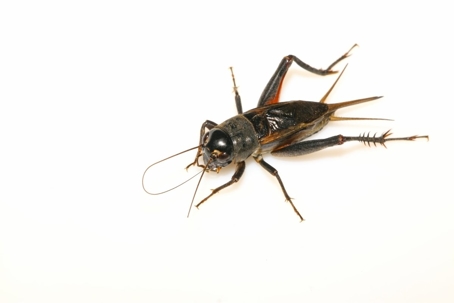
What Attracts Crickets?
Understanding what attracts crickets allows you to implement more precise and effective control measures. For example, knowing they are drawn to moisture, warmth, or specific food sources helps in strategically placing baits, traps, or deterrents where crickets are most likely to congregate. Without this knowledge, treatments may be scattered and less effective.
Prevention of Infestations: Identifying cricket attractants can help prevent infestations before they start. For instance, if crickets are drawn to certain types of vegetation, damp environments, or cluttered areas, homeowners or facility managers can modify the environment to make it less appealing. This can significantly reduce the likelihood of crickets establishing a population indoors or around buildings.
Optimized Resource Use: Knowing what attracts crickets ensures that time, labor, and chemical or mechanical control methods are used efficiently. By focusing efforts on areas or conditions that specifically lure crickets, your pest control efforts will waste less resources on areas that are unlikely to be affected.
Behavioral Insight for Monitoring: Attractants provide insight into cricket behavior patterns, such as feeding, mating, and hiding habits. This knowledge improves monitoring programs, allowing for early detection and rapid response to potential infestations, which is particularly important in sensitive environments like food storage or hospitality settings.
Reduction of Secondary Damage: Crickets can damage fabrics, paper products, and crops, and excessive populations may become a nuisance indoors. By understanding what draws them, preventive measures can be taken to minimize this collateral damage, maintaining both structural integrity and hygiene standards.
Environmental and Integrated Pest Management (IPM) Benefits: Knowing the attractants allows for non-chemical control methods, such as habitat modification, exclusion, or natural predator encouragement, which reduces reliance on pesticides. This supports environmentally responsible and sustainable pest management strategies.
Understanding cricket attractants is not just about catching them—it is about anticipating behavior, preventing infestations, and implementing precise, efficient, and environmentally sound control.
What Are Crickets Attracted To?
By identifying attractants, your pest control efforts can focus on modifying environments, eliminating food and moisture sources, sealing entry points, and strategically placing traps or baits:
Are Crickets Attracted To Food Sources?
Yes, crickets are attracted to food sources. Crickets are omnivorous scavengers, feeding on a wide variety of organic material. Outdoors, they consume plant matter such as leaves, flowers, seedlings, and decaying vegetation, which provides both nutrition and moisture. Indoors, crickets are drawn to accessible food items like cereals, grains, pet food, crumbs, and even mold or fungi in damp areas. Their attraction to food is not limited to fresh material—they will also feed on decaying matter, making compost piles, mulch, and kitchen waste particularly appealing. This broad dietary preference allows crickets to exploit many environments, so eliminating exposed food sources and maintaining proper sanitation are crucial steps in preventing and controlling infestations.
Are Crickets Attracted To Light?
Yes, some crickets are attracted to light, although their response varies by species. Many crickets are primarily nocturnal, and while they avoid brightly lit areas during the day, they can be drawn to artificial lights at night. Outdoor lighting such as porch lights, security lights, and street lamps may inadvertently lure crickets toward homes and buildings. The attraction is often related to their navigation instincts, as some insects use light sources for orientation. However, unlike moths, crickets are not strongly phototactic, so light is generally a weaker attractant compared to moisture, food, warmth, or shelter. Minimizing outdoor lighting near entry points and using yellow or low-intensity lights can reduce the likelihood of crickets being drawn indoors.
Are Crickets Attracted To Moisture?
Yes, crickets are strongly attracted to moisture. These insects require a humid environment to survive, as it helps prevent dehydration and supports their overall biological functions. Damp areas, such as basements, crawl spaces, leaky pipes, and poorly drained gardens, provide ideal conditions for crickets to thrive. Outdoors, they are often found in areas with high soil moisture, under mulch, stones, or leaf litter where humidity is retained. Indoors, even minor sources of water, like condensation on windows, sinks, or plumbing leaks, can lure crickets into homes or buildings. Moisture not only sustains their survival but also creates favorable conditions for feeding and breeding, making water-rich environments particularly attractive to these pests. Properly managing moisture through repairs, dehumidification, and drainage improvements is therefore a key component in preventing and controlling cricket infestations.
Are Crickets Attracted To Shelter?
Yes, crickets are strongly attracted to shelter. They prefer dark, secluded areas that offer protection from predators and harsh environmental conditions. Outdoors, they are commonly found under rocks, logs, leaf litter, mulch, and dense vegetation, where they can hide and remain close to food and moisture sources. Indoors, crickets seek out quiet, cluttered spaces such as basements, garages, attics, storage rooms, or cracks and crevices in walls and flooring. These sheltered areas provide not only safety but also stable temperature and humidity, which support feeding and breeding activities. Reducing clutter, sealing entry points, and eliminating potential hiding spots are key measures in discouraging crickets from taking refuge near or inside buildings.
Are Crickets Attracted To Vegetation?
Yes, crickets are attracted to vegetation. Dense grass, shrubs, garden plants, and overgrown areas provide crickets with both food and shelter, making these environments highly appealing. Vegetation offers a source of plant material for feeding, such as leaves, stems, flowers, and seedlings, as well as decaying organic matter that supports their omnivorous diet. Additionally, tall or thick vegetation creates humid, shaded microenvironments that protect crickets from predators and extreme weather. Outdoor areas with heavy plant growth, mulch beds, or garden borders often serve as breeding and hiding grounds. Managing vegetation by trimming, thinning, and maintaining clear spaces around buildings can significantly reduce the attractiveness of these areas to crickets.
Are Crickets Attracted To Warmth?
Yes, crickets are attracted to warmth. As cold-blooded insects, their activity levels and metabolism increase in warmer environments, which makes heat a strong attractant. During cooler seasons or at night, crickets often seek out warm areas to maintain optimal body function, which is why they are commonly found near heated structures, appliances, or sunlit areas. Indoors, they may gather around radiators, baseboard heaters, or electronic devices that emit heat. Outdoors, they gravitate toward sun-warmed surfaces, garden walls, or sheltered areas that trap heat. This preference for warmth not only influences their movement and feeding patterns but also plays a role in their breeding behavior, as warmer conditions can accelerate development from egg to adult. Managing indoor temperatures and reducing warm, secluded spots near building entry points can help deter crickets from establishing themselves.
Why Do Crickets Come In The House?
Search for Shelter: Crickets often enter homes seeking protection from predators and extreme weather. Buildings provide dark, secluded spaces such as basements, attics, and closets where they can hide safely.
Temperature Regulation: Being cold-blooded, crickets are attracted to warmth, especially during cooler months or at night. Heated indoor environments, sun-warmed walls, and appliances offer stable temperatures that support their activity and survival.
Access to Moisture: Crickets require moisture to survive, so homes with leaky pipes, damp basements, condensation, or poorly ventilated bathrooms and kitchens are particularly appealing. Moisture not only sustains them but also aids in feeding and reproduction.
Availability of Food: Crickets are omnivorous scavengers, and indoor food sources such as grains, cereals, pet food, crumbs, or even mold in damp areas can lure them inside. Any accessible food increases the likelihood of an infestation.
Entry Through Gaps and Cracks: Crickets can easily enter buildings through small openings in doors, windows, foundations, vents, or damaged screens. Once they find a point of entry, they exploit it to reach the interior.
Attraction to Artificial Light: Some species are drawn to lights at night, including porch lights, lamps, or outdoor security lighting, which can inadvertently lead them toward windows or doors and into the house.
Proximity to Outdoor Vegetation: Dense grass, shrubs, garden beds, and overgrown areas near the home provide crickets with food and shelter. From these areas, they can easily move indoors in search of additional resources or favorable conditions.
By addressing these factors—sealing entry points, reducing moisture, limiting food access, and managing vegetation—homeowners can significantly reduce the likelihood of crickets entering the house.
Why Are There So Many Crickets In My House?
Seasonal Behavior: Crickets often enter homes in large numbers during cooler months or at the onset of fall. As temperatures drop outdoors, they seek warmth, shelter, and stable environments inside buildings. This sudden migration can make it seem like the house is overrun.
Population Boom Outdoors: If there is a high cricket population in your yard or surrounding area, many individuals may attempt to move indoors simultaneously. Dense vegetation, mulch beds, or compost piles near your home can serve as breeding grounds, producing large numbers of juveniles that disperse as they mature.
Attractive Indoor Conditions: Homes that offer multiple attractants—such as moisture, food, warmth, and hiding spots—can draw many crickets inside at once. Basements, kitchens, laundry areas, and cluttered storage spaces create ideal conditions for congregating.
Entry Point Concentration: Crickets often exploit the same cracks, gaps, or openings. If your home has several unsealed doors, windows, or foundation gaps, many crickets can enter through these concentrated access points in a short time.
Mating and Reproductive Behavior: Certain species, like house crickets, may enter in groups during mating season. Males produce loud chirping to attract females, and this activity can coincide with increased indoor movement, making infestations appear sudden and extensive.
Artificial Light Attraction: Outdoor lighting can draw many crickets toward the building at night. Once near doors or windows, they can find a way inside, creating a sudden influx.
Moisture Events: Recent rain, flooding, or plumbing leaks can increase indoor moisture levels, triggering crickets to seek damp, protected environments indoors.
Managing such surges requires a multi-pronged approach: sealing entry points, reducing moisture, removing clutter, limiting food sources, and, if necessary, using targeted traps or baits to reduce numbers quickly.
Learn more: How To Get Rid Of Crickets