
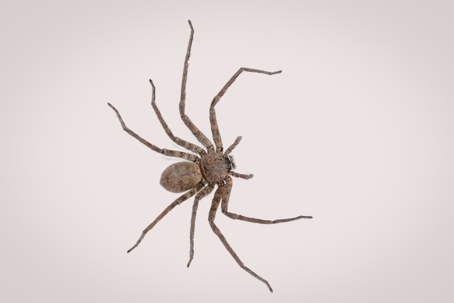
Spiders Bite
Spiders rarely bite people, and most “bites” blamed on spiders turn out to be something else entirely—usually insects, mites, or even skin irritation. When genuine spider bites do occur, they almost always happen in situations where the spider is accidentally trapped against the skin or feels directly threatened. The circumstances below are the most common:
- When a spider is pressed against the skin: Accidental compression is the leading cause of real bites. This can happen when someone rolls over on a spider in bed, reaches into clothing or shoes where a spider is hiding, or grabs an object without seeing a spider resting underneath.
- When wearing or handling stored clothing: Garments, shoes, gloves, and hats left unused for long periods—especially in garages, sheds, basements, and attics—are prime hiding spots for spiders. Putting these items on without shaking them out can lead to unexpected contact that triggers a defensive bite.
- During heavy yardwork, cleanup, or moving debris: Wood piles, brush, firewood stacks, and outdoor clutter attract spiders seeking shelter. People clearing these areas may unknowingly disturb a spider, and a bite can occur if the spider is trapped against a hand or arm.
- When capturing or handling spiders directly: Most species are timid and avoid people, but physically grabbing or cornering one may provoke a defensive reaction. Even then, many spiders flee rather than bite.
- When a spider becomes trapped in bedding or towels: Blankets, sheets, and towels stored in dark, undisturbed places can host spiders. Using these items without shaking them out can create close contact.
- When working in dark, undisturbed areas: Basements, crawl spaces, barns, attics, and storage rooms often harbor spiders that prefer darkness and low activity. Reaching into unseen areas may accidentally corner one.
- When a spider is protecting its egg sac: Some species, especially maternal web-builders, may show heightened defensive behavior if their egg sac is threatened.
- When a person mistakenly handles a spider they didn’t see: Lifting objects like cardboard boxes, garden pots, or stored items can place hands directly on a hidden spider, causing it to react defensively.
Spider Bites
Most spider bites are mild, harmless, and far less dangerous than people assume. Out of the thousands of spider species in the U.S., only a tiny handful can cause medically significant reactions, and even those usually produce localized symptoms rather than life-threatening emergencies. Here’s how the severity and risks truly break down:
- Most spider bites cause only minor, localized effects: Typical reactions resemble a mosquito bite or an ant bite—slight redness, mild swelling, and short-lived itching or tenderness. Many bites go unnoticed or are mistaken for common skin irritations. These mild reactions generally resolve on their own within a few days without complications.
- A small percentage cause moderate discomfort but remain medically minor: Some bites may produce noticeable swelling, warmth, or irritation around the site, particularly if a person is sensitive to insect venoms or if bacteria enter the skin from scratching. Secondary infection—rather than the bite itself—is the most common complication, leading to redness, increased pain, or pus that may require basic medical care.
- Only two spider groups in the U.S. regularly produce medically significant symptoms: widow spiders and recluse spiders: Widow spiders, such as the black widow spider and the brown widow spider, can deliver venom that causes muscle cramping, sweating, nausea, and widespread pain, though severe outcomes are rare and fatalities are virtually unheard of with modern medical care. Recluse spiders, such as the brown recluse spider, may cause localized tissue damage in a small percentage of cases, but most bites remain mild; serious necrosis is far less common than often claimed, and many suspected “recluse bites” turn out to be infections or unrelated skin conditions.
- Systemic reactions are uncommon and usually mild: Generalized symptoms such as headache, fatigue, low-grade fever, or diffuse muscle soreness can occur in sensitive individuals, but these reactions tend to be self-limiting. Severe allergic responses are possible but rare.
Life-threatening outcomes from spider bites are extraordinarily uncommon in the U.S. and most other parts of the world. When they do occur, contributing factors usually include underlying medical conditions, delayed treatment of a widow bite, or severe bacterial infection unrelated to the spider’s venom.
Spider Venom
Spider venom is a complex biological substance produced by spiders to immobilize or kill prey, assist in digestion, and defend themselves. Its composition, potency, and effects vary widely depending on the spider species:
Composition of Spider Venom
Spider venom is not a single chemical but a mixture of several components:
Neurotoxins: These interfere with nerve signals, either blocking or overstimulating neurons. Found in species like black widows and funnel-web spiders. Effects: Muscle spasms, pain, paralysis, and sometimes systemic symptoms in humans.
Cytotoxins: These damage cells and tissues at the bite site. Common in recluse spiders. Effects: Localized necrosis (tissue death), swelling, and redness.
Enzymes: Break down cell membranes and tissues, aiding in digestion of prey. Examples include hyaluronidase (“spreading factor”), proteases, and phospholipases. Can exacerbate tissue damage and increase venom spread in the host.
Peptides and Proteins: Some disrupt ion channels in nerves or muscles. Others have antimicrobial properties, protecting the spider from infection.
Histamine and other small molecules: Can trigger inflammation, redness, and pain at the bite site.
How Spider Venom Works
Spider venom has two main purposes: prey immobilization and digestion.
For prey: Neurotoxins paralyze insects or other small animals almost instantly. Cytotoxins begin breaking down tissues so the spider can liquefy and consume them.
For defense: Venom may deter predators with pain, swelling, or more severe systemic effects. Only a few spiders’ venom is potent enough to threaten humans.
Effects of Spider Venom on Humans
Most spiders have venom too weak to cause serious harm to humans. The effects generally fall into two categories:
Local Effects: Pain, redness, swelling, itching, or minor blistering. Usually short-lived and not medically significant.
Systemic Effects: Rare but can be serious with certain species (e.g., black widow, recluse, funnel-web). Symptoms may include muscle cramps or spasms, nausea or vomiting, fever or chills, and weakness or paralysis in extreme cases. Severe reactions are uncommon and usually treatable with antivenom or supportive care.
Nearly all spiders are venomous, but most have venom specialized for insects. Human danger is rare—only a handful of species produce venom potent enough to cause serious illness. Venom composition is highly specialized and species-specific, making it a rich subject for pharmacological research. Some compounds from spider venom are even being studied for pain relief and other medical applications.
What Do Spider Bites Look Like?
Most spider bites have a very ordinary appearance, which is why they’re so often confused with insect bites, mild skin infections, or allergic reactions. In most cases, there’s nothing visually distinctive about them. Here’s how they usually present:
- Small, localized redness: The most common look is a small red bump—similar to a mosquito bite—often with a slightly raised center. It may feel warm or tender, but not dramatically so.
- Mild swelling around the bite: A localized, soft swelling is typical. It usually stays within a small area and doesn’t spread rapidly.
- Itching or mild irritation: Many spider bites itch lightly or feel mildly irritated, but the sensation tends to be less intense than insect bites like mosquitoes or chiggers.
- A single bite mark, not multiple: Spiders typically bite once. The idea that spiders leave two punctures is largely a myth—fang marks are almost never visible to the naked eye.
- Occasionally: a blister or small fluid-filled bump: Some individuals develop a small blister or clear fluid pocket. This is an inflammatory reaction, not a sign of something dangerous.
- Rarely: darkening or ulceration (usually misdiagnosed): True tissue breakdown is uncommon and usually associated with confirmed recluse bites—yet many supposed recluse bites are actually bacterial infections, MRSA, or other skin conditions. In most regions, recluse spiders aren’t even present.
- Most bites stay mild and stable: If the redness remains small, non-spreading, and gradually improves, it’s consistent with a typical mild bite.
What To Do About Spider Bites
If you’re genuinely bitten by a spider—which is uncommon—the right response is usually simple first aid. Most bites resolve quickly without complications. Here’s what to do:
- Clean the bite area: Wash gently with soap and warm water. This reduces the chance of secondary infection, which is the most common complication.
- Apply a cold compress: Use a cold pack or a cloth-wrapped ice pack for 10–15 minutes at a time. This helps with swelling, redness, and discomfort.
- Elevate the area if it’s on a limb: Keeping the bite elevated can reduce swelling and help it feel better faster.
- Use over-the-counter relief if needed: Antihistamines (like cetirizine or diphenhydramine) help with itching. Acetaminophen or ibuprofen works well for pain. A mild hydrocortisone cream can soothe irritation.
- Avoid scratching: Scratching increases inflammation and greatly raises the risk of infection.
- Monitor the site for changes: Most bites improve within a few days. If redness stays small, symptoms fade, and new issues don’t appear, it’s consistent with a normal, mild reaction.
- Seek medical care if you notice warning signs: Some symptoms deserve prompt evaluation, such as spreading redness or warmth (indicates possible infection), increasing pain instead of gradual improvement, a blister that becomes dark, enlarges, or opens, muscle cramping, severe pain, sweating, nausea, or widespread symptoms (possible widow bite), or any symptoms that feel out of proportion to a small skin lesion.
- If you suspect a widow or recluse bite: Both are uncommon, but if you live in an area where they’re present and symptoms fit their profile, contact a medical professional—treatments are straightforward and effective when needed.