
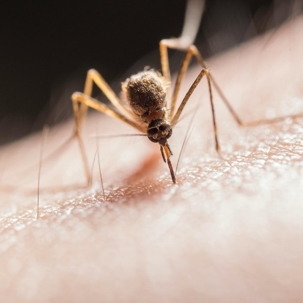
Mosquitoes Bite
Mosquitoes are most likely to bite people in situations where their feeding behaviors are favored and they can easily detect a host. Key factors include:
Time of Day: Many mosquito species are most active at dawn and dusk. Species like Aedes aegypti and Aedes albopictus can also bite during the daytime, especially in shady or sheltered areas. Culex species often feed at night.
Environmental Conditions: Mosquitoes thrive in warm, humid environments. Hot and humid weather encourages more activity and feeding. Stagnant water sources near homes, such as puddles, birdbaths, clogged gutters, or containers, increase local mosquito populations.
Body Chemistry and Attractants: Mosquitoes are attracted to carbon dioxide (CO₂) that humans exhale, body heat, sweat, and certain body odors. People who exhale more CO₂ (larger adults, pregnant women) may attract more bites. Lactic acid, uric acid, and ammonia in sweat also increase attractiveness. Dark clothing can attract some species because it retains heat.
Location and Habitat: Mosquitoes are common near water sources, tall grass, bushes, and shaded areas. They often bite more in outdoor areas near standing water or dense vegetation.
Behavioral Factors: Mosquitoes tend to target people who are stationary for a period of time, as motion can sometimes deter them. Activities that increase sweating or CO₂ output (exercise, running, or heavy physical labor) make a person more noticeable.
Seasonality: Mosquitoes are more active during warmer months. In temperate climates, this is usually late spring through early fall. Tropical regions may see year-round activity.
Understanding these factors is important for reducing mosquito bites, whether through repellents, clothing choices, timing outdoor activities, or environmental control like eliminating standing water.
Mosquito Bites
Mosquito bites are more than just itchy annoyances—they can carry significant health risks depending on the mosquito species, geographic location, and individual susceptibility. The main risks can be divided into immediate reactions, secondary infections, and disease transmission:
Immediate Reactions
Itching and Swelling: Mosquito saliva contains proteins that trigger the immune system, causing redness, swelling, and intense itching at the bite site.
Allergic Reactions: Some people develop more severe localized reactions, such as large welts or hives. Rarely, systemic allergic reactions (anaphylaxis) can occur, though this is extremely uncommon.
Secondary Infections
Skin Infections: Scratching mosquito bites can break the skin and allow bacteria to enter, leading to infections like cellulitis or impetigo.
Delayed Healing: Persistent scratching may cause scarring, hyperpigmentation, or prolonged irritation.
Vector-Borne Diseases
Certain mosquitoes transmit viruses, parasites, or bacteria. Risk depends on region and species:
West Nile Virus: Causes fever, headache, body aches; severe cases can lead to neurological complications.
Zika Virus: Can cause fever, rash, joint pain, and in pregnant women, severe birth defects.
Dengue Fever: Symptoms include high fever, severe joint/muscle pain, and sometimes life-threatening hemorrhagic fever.
Chikungunya: Severe joint pain and fever; rarely long-term complications.
Yellow Fever: Rare in some areas; causes fever, jaundice, and can be fatal if untreated.
Malaria: Transmitted by Anopheles mosquitoes; causes cyclical fevers, chills, and in severe cases, organ failure or death.
Filariasis: A parasitic infection causing lymphatic damage and swelling, common in certain tropical regions.
Risk Factors That Increase Severity
Young children, elderly adults, and people with weakened immune systems are more vulnerable.
Geographic areas with high mosquito-borne disease prevalence increase the likelihood of serious complications.
Even if disease risk is low in your region, mosquito bites can still cause discomfort, secondary infections, or allergic reactions. Using repellents, protective clothing, and environmental control is the most effective approach.
What Do Mosquito Bites Look Like?
Mosquito bites are usually easy to recognize, but their appearance can vary depending on a person’s reaction and the species of mosquito. Key features include:
Typical Appearance
Raised, red bump: Most bites appear as small, round, slightly swollen spots.
Central puncture mark: Sometimes a tiny dot at the center of the bump shows where the mosquito pierced the skin.
Itchy: Intense itching is a hallmark of mosquito bites.
Size: Usually 3–10 mm in diameter, though larger in people with stronger reactions.
Variations
Mild reaction: Small, slightly pink bump that may go unnoticed initially.
Moderate reaction: Larger red welt, often surrounded by lighter redness, very itchy.
Severe reaction (skeeter syndrome): Significant swelling, warmth, redness, and sometimes blistering or hives around the bite site.
Clustered bites: Some mosquitoes bite multiple times in one area, producing several bumps close together.
Other Characteristics
Bites usually appear minutes to a few hours after being bitten.
Itching often peaks within 24–48 hours.
Scratching can lead to secondary infections, scabs, or prolonged redness.
Tips to Identify Mosquito Bites
They usually occur on exposed skin (arms, legs, neck, face).
Often appear singly or in small clusters, unlike flea or bed bug bites, which may show in lines.
Unlike spider bites, mosquito bites are rarely painful—itching is the main symptom.
What To Do About Mosquito Bites
If you get bitten by mosquitoes, the goal is generally to relieve itching, prevent infection, and reduce risk of complications:
Immediate Care
Clean the area: Wash the bite with mild soap and water to remove bacteria and mosquito saliva.
Cold compress: Apply a cold pack or ice wrapped in a cloth for 10–15 minutes to reduce swelling and itching.
Relieve Itching and Discomfort
Topical anti-itch treatments: Hydrocortisone cream (0.5–1%), calamine lotion, aloe vera gel, or other soothing lotions.
Oral antihistamines: If itching is severe, non-drowsy options like loratadine or cetirizine can help.
Avoid scratching: Scratching can break the skin and lead to infection.
Monitor for Infection or Allergic Reaction
Signs of infection: Increasing redness, warmth, pus, or pain around the bite.
Signs of severe allergic reaction: Swelling beyond the bite site, hives, difficulty breathing, or dizziness (seek emergency care immediately).
Prevent Secondary Bites
Repellent: Apply EPA-approved mosquito repellents containing DEET, picaridin, or oil of lemon eucalyptus.
Protective clothing: Long sleeves, pants, and socks reduce exposure.
Environmental control: Remove standing water near your home to reduce mosquito breeding.
Watch for Symptoms of Mosquito-Borne Illness
Fever, rash, joint pain, or flu-like symptoms in the days or weeks after bites could indicate diseases such as West Nile, dengue, or Zika. Seek medical advice if these appear.
Promote Healing
Keep bites clean and avoid irritating products.
Moisturize lightly if skin becomes dry or flaky.
Most mosquito bites resolve in 3–7 days without complications.