
Can Scorpions Bite?
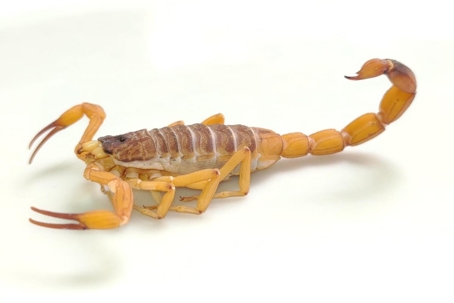
Scorpions do not have the anatomy to “bite” in the same way that insects like mosquitoes or spiders do. Their primary means of defense and prey capture is through the scorpion stinging with their venomous tail and grabbing with their pincers (pedipalps). The pincers can pinch, which might break skin or leave a mark, but this is not considered a bite.
So, while you could be pinched by a scorpion, it does not bite. Any injury from a scorpion will usually come from the sting, which can inject venom, or the mechanical damage from the pincers.
Do Scorpions Bite?
People are most likely to believe a scorpion has “bitten” them in situations where they experience sudden skin pain, irritation, or marks after accidental contact with a scorpion—usually because they mistake a sting or pinch for a bite. Specific scenarios include:
Handling or accidentally touching a scorpion – People who pick up, move, or disturb scorpions may feel the pinch of the pincers and interpret it as a bite.
Stepping on or brushing against a scorpion – In regions where scorpions hide under rocks, wood, or clothing, sudden contact may cause reflexive pain, leading someone to think they were bitten.
Waking up with stings – Scorpions sometimes enter bedding at night. A sting while asleep may be interpreted as a bite, especially if it leaves a red mark or swelling.
Skin reactions after a sting or pinch – Localized redness, swelling, or pain can be misinterpreted as a bite, particularly by people unfamiliar with scorpion behavior.
Misattribution – In areas with other biting arthropods (spiders, ants, mosquitoes), minor stings or pinches from scorpions may be incorrectly labeled as bites.
Essentially, it’s unexpected contact combined with a sudden skin sensation that leads most people to assume they’ve been bitten, even though true biting is not part of scorpion behavior.
Scorpion Bites
Since scorpions do not actually bite, there are no risks associated with a “scorpion bite” per se. The real risks come from two other types of contact: stings and pincer pinches:
Risks from a Scorpion Sting
The sting is the primary danger and depends on the species:
Mild reactions: Most scorpion stings cause localized pain, redness, swelling, and sometimes numbness or tingling. These symptoms typically resolve within a few hours.
Moderate reactions: Some stings can cause muscle spasms, sweating, nausea, or dizziness.
Severe reactions (rare, often from species like the Arizona bark scorpion or Middle Eastern scorpions): Can include difficulty breathing, excessive drooling, rapid heart rate, high blood pressure, or even life-threatening systemic effects, especially in children, the elderly, or people with allergies.
Risks from the Pincer Pinch
While not venomous:
Pain and bruising at the pinch site.
Minor skin tears or scratches, which could lead to secondary bacterial infection if not cleaned properly.
Indirect Risks
Allergic reactions: Even mild stings or pinches can trigger allergic responses in sensitive individuals.
Infection: Any break in the skin, whether from a sting puncture or pinch, can become infected.
Misdiagnosis: Believing you were “bitten” instead of stung might delay proper treatment for venom exposure.
The real medical concern is the venomous sting, not a bite. Pinches are mostly painful but not dangerous, unless infection occurs.
What Do Scorpion Bites Look Like?
Since scorpions don’t bite, there isn’t a “scorpion bite” to identify. What people often mistake for a bite is actually a scorpion sting or sometimes the mark from a pincer pinch. Here’s how each typically appears:
Scorpion Sting Marks
Small puncture points: Often a single or double puncture where the stinger pierced the skin.
Redness and swelling: Localized to the area of the sting.
Pain and tenderness: Ranges from sharp and immediate to a throbbing ache lasting hours.
Occasional blistering or bruising: More common with larger scorpions or more sensitive skin.
Systemic reactions (in rare cases with venomous species): Sweating, muscle twitching, or other symptoms appear elsewhere on the body, not at the sting site.
Pincer Pinch Marks
Pinch or scratch marks: Usually a small, shallow injury or bruise where the scorpion’s claws gripped the skin.
Mild redness or swelling: Less severe than a sting.
Rare bleeding: Only if the pinch caused a minor skin tear.
A “bite” appearance (like a raised, itchy welt) is almost never caused by scorpions. If you see a bite-like mark, it’s likely from another insect or arachnid.
What To Do About Scorpion Bites
If you think you’ve been “bitten” by a scorpion, the first thing to understand is that it’s almost certainly a sting or a pinch, not a bite. Your response should focus on treating the sting or pinch and monitoring for symptoms. Here’s what to do:
Immediate First Aid
Stay calm: Most scorpion stings cause only localized pain. Panic can worsen symptoms.
Clean the area: Wash the site with soap and water to reduce the risk of infection.
Apply a cold compress: This helps reduce swelling, redness, and pain. Use for 10–15 minutes at a time.
Pain relief: Over-the-counter painkillers (acetaminophen or ibuprofen) can help manage discomfort.
Observe for Symptoms
Local symptoms: Redness, swelling, tenderness, mild numbness or tingling.
Systemic symptoms (seek immediate medical care if these appear): Difficulty breathing or swallowing, muscle twitching, severe spasms, uncontrollable shaking, rapid heart rate, dizziness, fainting, excessive sweating or drooling, or severe pain that doesn’t improve with standard measures.
Medical Attention
Mild sting or pinch: Usually does not require a doctor, but see a healthcare provider if the pain worsens or signs of infection appear.
High-risk stings: Young children, the elderly, people with allergies, or anyone stung by a highly venomous species should get immediate medical evaluation. Antivenom may be necessary in rare cases.
Avoid Common Mistakes
Do not try to suck out the venom.
Do not cut the wound.
Do not apply harsh chemicals or alcohol directly to the site.
Prevent Future Incidents
Shake out clothing and shoes before putting them on in scorpion-prone areas.
Seal gaps in windows, doors, and walls.
Use gloves when moving firewood, rocks, or debris.