
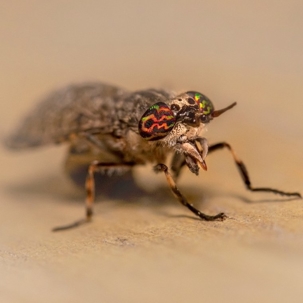
Can Horse Flies Bite?
Yes, horse flies can bite — and their bites are among the most painful of any fly species. Female horse flies require blood to develop their eggs, so they actively seek out mammals, including humans, horses, cattle, and pets. Unlike mosquitoes, which pierce the skin with a slender proboscis, horse flies use scissor-like mouthparts to cut into the skin and lap up the blood.
Do Horse Flies Bite?
Horse flies are most likely to bite people or pets in warm, humid environments where they can easily locate hosts. These flies thrive in sunny, outdoor settings, especially near water sources such as ponds, lakes, marshes, and rivers—areas ideal for laying their eggs. The following are common situations in which horse flies are most likely to bite:
During outdoor activities in summer: Horse flies are most active in hot, humid months, especially from late spring through early fall. They often attack people engaged in outdoor work or recreation such as farming, hiking, swimming, or horseback riding.
Around livestock or pets: Since horse flies are attracted to movement, body heat, and carbon dioxide, animals like horses, cattle, dogs, and even humans are prime targets. Pets near open fields or pastures are especially vulnerable.
Near water or wet areas: Females often lay eggs near water or damp soil. These areas also attract animals, making them ideal feeding grounds for horse flies.
On sunny, breezy days: Unlike mosquitoes, horse flies are daytime feeders and prefer bright, open areas with light wind. They tend to avoid shaded or heavily wooded environments.
When sweating or wearing dark colors: Sweat, body heat, and dark clothing can make you more attractive to horse flies, as these signals mimic the cues they use to locate large mammals.
Horse flies are most aggressive in daylight hours near water or livestock, particularly on warm, humid summer days when potential hosts are active and exposed.
Horse Fly Bites
Horse fly bites carry several risks, ranging from mild discomfort to more serious health concerns. Key risks include:
Pain and tissue trauma: Horse fly bites are notoriously painful because their scissor-like mouthparts cut the skin rather than pierce it. This can leave large, bleeding wounds that are more prone to irritation than typical insect bites.
Swelling, redness, and itching: The body reacts to the bite with an inflammatory response, which can result in raised welts, redness, swelling, and itching that may persist for several days.
Allergic reactions: Some individuals or pets may experience stronger allergic responses, including intense swelling, hives, or even systemic reactions in rare cases.
Secondary infections: Because horse flies cut the skin open, bacteria can enter the wound, leading to infections such as cellulitis. Proper cleaning and monitoring are important to prevent complications.
Disease transmission in animals: While horse flies rarely transmit diseases to humans, they are capable of spreading certain pathogens among livestock, including anaplasmosis, tularemia, and equine infectious anemia. This is mostly a concern for horses and cattle rather than people.
Stress and behavioral effects in animals: Repeated horse fly bites can cause agitation, stress, and reduced grazing or feeding in livestock, indirectly affecting their health and productivity.
In general, the primary concern for humans is pain, irritation, and potential infection. Prompt wound care, monitoring for unusual reactions, and protection measures like repellents, protective clothing, or physical barriers for pets and livestock are essential.
What Do Horse Fly Bites Look Like?
Horse fly bites are usually quite distinctive because of how the fly feeds. Key characteristics include:
Size and shape: Bites are typically large, raised, and oval or circular in shape. They are often bigger than mosquito bites.
Color: Initially, the bite area is bright red, and over the next few hours or days it may darken slightly as swelling develops.
Swelling and inflammation: Horse fly bites often produce significant swelling, sometimes with a firm, puffy welt surrounding the central bite area.
Bleeding or puncture marks: Because horse flies cut the skin rather than piercing it, you may notice a small open wound or tiny scabs where the fly fed.
Itching and pain: Unlike mosquito bites, horse fly bites are very painful initially, with intense stinging, followed by itching as the body reacts to the saliva injected during feeding.
Duration: The bite’s redness and swelling can last several days, and scratching can prolong healing or lead to secondary infection.
On pets, the bites may appear as similar red welts, often in exposed areas like the face, ears, neck, and legs. In livestock, multiple bites can appear along the back, shoulders, or legs, sometimes causing bleeding spots.
What To Do About Horse Fly Bites
If you get bitten by a horse fly, immediate and careful care can minimize pain, swelling, and the risk of infection. Here’s a step-by-step guide:
Clean the bite area
Wash thoroughly with soap and cool water to remove any bacteria or debris from the wound.
Avoid harsh scrubbing, which can further irritate the skin.
Control bleeding (if present)
Since horse flies cut the skin, small amounts of bleeding are common.
Apply gentle pressure with a clean cloth or sterile gauze until it stops.
Reduce swelling and pain
Apply a cold compress or ice pack wrapped in a cloth for 10–15 minutes at a time.
Repeat several times in the first few hours to minimize inflammation.
Relieve itching and irritation
Use an over-the-counter antihistamine (oral or topical) to reduce itching and swelling.
A hydrocortisone cream or calamine lotion can help calm skin irritation.
Monitor for infection or allergic reactions
Watch for increasing redness, warmth, pus, or streaking, which may indicate infection.
Seek medical attention if you develop severe swelling, intense pain, or signs of an allergic reaction such as hives, difficulty breathing, or dizziness.
Avoid scratching
Scratching can break the skin and introduce bacteria, increasing the risk of infection.
Prevent future bites
Wear long sleeves, pants, and light-colored clothing in areas where horse flies are active.
Use insect repellents containing DEET, picaridin, or oil of lemon eucalyptus on exposed skin.
For pets or livestock, consider fly sprays or physical barriers like fly masks, sheets, or netting.