
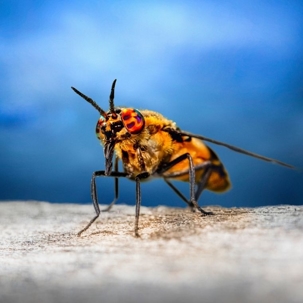
Can Deer Flies Bite?
Yes, deer flies can bite people. Deer flies are blood-feeding flies in the genus Chrysops, and only the females bite, because they need blood to develop their eggs. Their bites can be painful because their mouthparts are adapted to cut the skin rather than pierce it like mosquitoes do. When a deer fly bites, it slices the skin and feeds on the pooling blood, which can cause immediate pain, redness, swelling, and itching.
While deer fly bites are generally not dangerous, they can sometimes transmit certain animal pathogens or cause allergic reactions in sensitive individuals. Proper prevention, like wearing long sleeves, using insect repellent, and avoiding high-activity times near water or wooded areas, is recommended.
Do Deer Flies Bite?
Deer flies are most likely to bite people in situations where the flies are actively seeking a blood meal, which depends on time, location, and activity. Here’s a detailed breakdown:
- Outdoor Activities in High-Risk Areas: Deer flies thrive in wetlands, marshes, riversides, and wooded areas, because these are prime breeding sites for their larvae. People working or recreating in these environments—like hikers, hunters, fishermen, campers, farmers, and gardeners—are at higher risk of being bitten. They are particularly drawn to areas with livestock or deer, as these provide alternative hosts.
- Warm, Sunny Days: Deer flies are daytime feeders and are most active in warm, sunny weather, typically from late spring through summer. They tend to avoid dense shade or nighttime hours, so bites are unlikely during the evening or in heavily shaded forests.
- During Movement or Activity: Deer flies are attracted to movement, carbon dioxide, and body heat. People who are moving—walking, running, or riding bicycles—are more likely to provoke attacks than those standing still. They can also aggressively chase humans for a short distance if they detect a potential host.
- Unprotected Skin: Deer flies bite through exposed skin, especially on the arms, legs, neck, and face. Wearing light clothing that covers most of the body can significantly reduce bites.
- Near Livestock or Wildlife: Areas with deer, cattle, or horses often have higher deer fly populations. Humans in these areas can become incidental hosts.
The combination of warm, sunny weather, wet or wooded areas, movement, and exposed skin makes someone highly attractive to deer flies.
Deer Fly Bites
Deer fly bites can be surprisingly painful and irritating, and while they’re not typically life-threatening, they can lead to several health and comfort issues that shouldn’t be ignored.
- Pain and Skin Reaction: When a deer fly bites, it cuts the skin with scissor-like mouthparts rather than piercing it like a mosquito. This tearing action causes immediate sharp pain and usually leaves behind a small, bleeding wound. The bite site often becomes red, swollen, and itchy, sometimes forming a raised welt or blister that can last several days.
- Risk of Infection: Because deer fly bites break the skin, they can easily become infected, especially if scratched. Signs of infection include increased redness, warmth, swelling, pus, or worsening pain at the bite site. Keeping the area clean and avoiding scratching can help prevent this.
- Allergic Reactions: Some individuals experience stronger allergic responses to deer fly saliva, resulting in large welts, significant swelling, or hives beyond the immediate bite area. Severe allergic reactions are rare but possible—particularly if swelling affects the face, throat, or tongue, which would require immediate medical attention.
- Disease Transmission: The most serious—but rare—risk associated with deer fly bites is disease transmission. In the U.S., deer flies are known vectors of tularemia, caused by the bacterium Francisella tularensis. This disease can cause fever, swollen lymph nodes, and ulcers at the bite site. While human cases are uncommon, they do occur, especially in rural or wooded areas.
- Secondary Irritation: Even when no infection or disease occurs, deer fly bites can cause lingering itching and inflammation that may take a week or more to fully subside. Repeated bites can make outdoor activities miserable, as these flies are persistent and aggressive during warm months.
Deer fly bites are mostly a painful nuisance but can occasionally lead to infection or, in rare cases, tularemia. Cleaning bites promptly, applying antiseptic, and using ice or antihistamines for swelling can help minimize complications.
What Do Deer Fly Bites Look Like?
Deer fly bites have a distinct appearance and can be easily distinguished from other insect bites if you know what to look for. Here’s what deer fly bites look like:
Initial Wound: Deer flies have cutting-sponging mouthparts, so they slice the skin to feed. This creates a small, open wound or tiny puncture, rather than the tiny pinprick a mosquito leaves.
Redness and Swelling: The bite area quickly becomes red, raised, and swollen. The swelling may form a slightly raised, circular bump and can be tender to the touch.
Pain and Irritation: Deer fly bites are painful at first, unlike the mild itch of a mosquito bite. Pain can last a few minutes, sometimes longer, depending on sensitivity.
Itching and Delayed Reaction: After the initial pain subsides, the bite often becomes itchy. Some people develop a small blister or fluid-filled bump if they are sensitive or scratch the bite.
Potential for Multiple Bites: Deer flies often bite multiple times, especially if disturbed during feeding. This can result in clusters of red, irritated spots on exposed skin.
Most bites heal within a few days without complications. In sensitive individuals, swelling or redness can persist longer, up to a week.
What To Do About Deer Fly Bites
If you’re bitten by a deer fly, it’s important to treat the wound promptly to reduce pain, prevent infection, and lower the risk of complications like tularemia. Here’s exactly what to do:
- Clean the bite immediately: Wash the area thoroughly with soap and warm water to remove any dirt or bacteria. This is the most effective way to prevent infection.
- Apply an antiseptic: After cleaning, apply an antiseptic solution or rubbing alcohol to disinfect the wound.
- Control pain and swelling: Use a cold compress or ice pack for 10–15 minutes at a time to reduce swelling and soothe the pain. Over-the-counter pain relievers (like ibuprofen or acetaminophen) can help if the area is especially sore.
- Soothe itching and irritation: Once the initial pain subsides, apply an anti-itch cream such as hydrocortisone, calamine lotion, or an antihistamine cream to relieve itching. Oral antihistamines can also help if swelling or itching becomes intense.
- Avoid scratching: It can be tempting to scratch, but doing so increases the risk of breaking the skin further and causing a bacterial infection.
- Monitor for infection: Over the next few days, watch for redness that spreads, increased pain, swelling, warmth, or pus—these are signs of infection that may need medical attention.
- Be alert for signs of tularemia: Although rare, deer flies can transmit tularemia. Seek medical care promptly if you develop symptoms like fever, chills, fatigue, swollen lymph nodes, or an ulcer at the bite site within a few days after being bitten.
- Prevent future bites: When spending time outdoors, especially near water or wooded areas, wear light-colored clothing, use insect repellent containing DEET or picaridin, and avoid peak deer fly activity times (typically warm, sunny days).
Handled properly, most deer fly bites heal within a few days without complications. However, if symptoms worsen or you suspect infection or tularemia, contact a healthcare provider right away.