
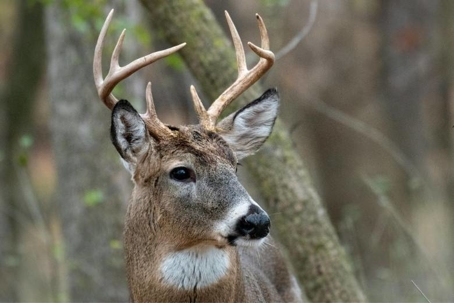
Do Deer Bite?
Deer are generally gentle and avoid humans, but they can bite when they feel threatened, cornered, or provoked. Biting is rare compared to kicking or charging, but it can happen in certain situations where their natural flight response is overridden by stress, hormones, or defensive behavior. The most common scenarios include:
- During rutting season (breeding period): Male deer (bucks) are highly territorial and aggressive from late fall through early winter. They may bite if a person or pet gets too close, especially if they perceive them as a rival or a challenge.
- When defending fawns: Female deer (does) are extremely protective of their young during spring and early summer. If a person or pet approaches a hidden fawn, the doe may become defensive, biting, kicking, or charging to drive the perceived threat away.
- When cornered or trapped: A deer caught in a fence, building, or enclosed space may panic and lash out with bites, hooves, or antlers if someone tries to help or restrain it.
- During hand-feeding or close encounters: People who attempt to feed deer—especially in parks or residential areas—risk being bitten accidentally. Deer may mistake fingers for food or bite out of frustration when food isn’t offered quickly enough.
- When injured or stressed: A wounded or sick deer may act unpredictably. If approached, it might bite in self-defense, similar to other wild animals experiencing pain or fear.
Even though deer bites are uncommon, they can break the skin and introduce bacteria, so any bite should be cleaned thoroughly and checked by a healthcare provider. It’s always safest to observe deer from a distance and avoid any interaction that could make them feel threatened or trapped.
Deer Bites
Deer bites, though uncommon, can pose several health risks due to the combination of physical trauma and bacterial contamination. While they’re not typically as dangerous as bites from carnivores, they should still be treated seriously. The main risks include:
- Infection: Deer mouths harbor a variety of bacteria that can cause infection if introduced into a wound. Common culprits include Pasteurella, Streptococcus, and Staphylococcus species. Without prompt cleaning and medical care, an infected deer bite can lead to redness, swelling, pain, pus formation, and in severe cases, cellulitis or systemic infection.
- Tetanus: Like other animal bites, deer bites can introduce Clostridium tetani spores if the skin is punctured. This bacterium can cause tetanus, a serious neurological condition that leads to muscle stiffness and spasms. Anyone bitten by a deer should ensure their tetanus vaccination is up to date.
- Tissue damage: Deer have strong jaws capable of tearing skin or damaging soft tissue if they bite forcefully. This can result in lacerations, bruising, or even deeper puncture wounds that may require sutures or medical treatment.
- Zoonotic disease exposure: Although rare, deer can carry diseases transmissible to humans. Bites or saliva contact with open wounds could, in theory, expose a person to pathogens like Leptospira (causing leptospirosis) or Brucella species (brucellosis). However, transmission through bites is not well-documented and remains a low risk.
- Secondary complications: Improperly treated bites can lead to abscesses, joint infections, or scarring. In some cases, bacteria may enter the bloodstream, resulting in sepsis if untreated.
If bitten by a deer, wash the wound thoroughly with soap and warm water, apply an antiseptic, and seek medical evaluation promptly. A healthcare provider may prescribe antibiotics or a tetanus booster depending on the wound and vaccination status.
What Do Deer Bites Look Like?
Deer bites can vary in appearance depending on the force of the bite, the location on the body, and whether the skin was punctured or just bruised. Because deer have flat, broad teeth designed for grinding vegetation rather than tearing flesh, their bites often cause blunt trauma rather than deep puncture wounds—though they can still break the skin.
Here’s what deer bites typically look like:
- Superficial abrasions or bruises: Most deer bites appear as crescent-shaped red or purple marks where the teeth pressed into the skin. These can resemble a strong pinch or bruise, often with mild swelling or tenderness.
- Shallow punctures or lacerations: If the bite involves a defensive snap or the person’s skin is thin, small punctures or shallow cuts may be visible, sometimes arranged in a semi-circular pattern that matches the deer’s dental arc. Bleeding is usually minimal but possible if the skin is broken.
- Swelling and redness: The surrounding area may become inflamed shortly after the bite. This is a normal immune response but can worsen if bacteria are introduced.
- Signs of infection (if the wound becomes contaminated): Within 24–48 hours, an infected deer bite might show increased redness spreading from the wound, warmth and tenderness, oozing or pus, swelling that worsens over time, and/or possible fever or swollen lymph nodes.
- Severe cases: Though rare, a strong bite can cause deeper tissue damage, especially on the hands or arms where skin is thin. These may resemble shallow animal bite lacerations requiring medical attention.
Even if a deer bite looks minor, it’s best to clean it immediately with soap and water, apply an antiseptic, and have it checked by a healthcare professional—especially if there’s broken skin, swelling, or pain that worsens over time.
What To Do About Deer Bites
If you’re bitten by a deer, even if the wound seems minor, it’s important to treat it promptly and carefully to prevent infection and complications. Here’s a step-by-step guide on what to do:
- Get to a safe distance. Move away from the deer immediately to avoid further injury. Deer can lash out with their hooves or antlers, especially if they’re frightened or defending young.
- Wash the wound thoroughly. Clean the bite as soon as possible using warm water and mild soap. Gently but thoroughly rinse out any dirt, debris, or saliva. Spend at least 5 minutes washing the area—this step is critical to lowering infection risk.
- Apply an antiseptic. After cleaning, apply an over-the-counter antiseptic such as hydrogen peroxide, iodine, or an antibiotic ointment (like Neosporin) to disinfect the wound.
- Control any bleeding. If the bite is bleeding, apply firm pressure with a clean cloth or sterile gauze until it stops. Elevate the area if possible.
- Cover the wound. Once bleeding is controlled, cover the area with a sterile bandage or dressing to protect it from dirt and bacteria. Change the dressing at least once daily, or more often if it gets wet or dirty.
- Seek medical attention. Even if the bite appears mild, contact a healthcare provider as soon as possible. A doctor can evaluate the wound for signs of infection or deeper tissue damage and may prescribe antibiotics to prevent infection, recommend a tetanus booster (especially if it’s been more than 5 years since your last shot), and/or examine for any potential complications or need for stitches.
- Monitor for signs of infection. Over the next few days, watch for increasing redness, swelling, or warmth around the wound, pus or drainage, and fever, chills, or swollen lymph nodes. If any of these symptoms appear, seek medical care immediately.
- Report unusual behavior. While rabies in deer is extremely rare, if the deer acted erratically (e.g., appeared aggressive without reason, drooling excessively, or staggering), report the incident to local animal control or wildlife authorities for testing or observation.
Prompt cleaning and medical care are usually all that’s needed to prevent serious complications from a deer bite.