
Can Crane Flies Bite?
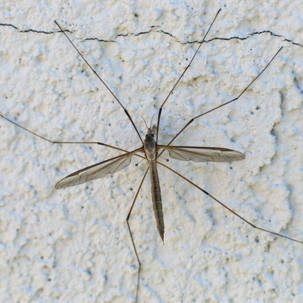
Crane flies, despite their sometimes intimidating size and resemblance to giant mosquitoes, do not bite humans. Adult crane flies actually have very short or non-functional mouthparts. Most adult crane flies don’t feed at all; if they do, it’s usually just sipping nectar.
The confusion often comes from their appearance—they can look like oversized mosquitoes—but they pose no threat to people and cannot transmit diseases. Their larvae, sometimes called leatherjackets, feed on plant roots and can damage lawns or crops, but they do not bite humans either.
Do Crane Flies Bite?
Crane flies do not bite under any circumstances. Adult crane flies lack the mouthparts necessary to pierce skin, and their primary purpose as adults is reproduction—not feeding on blood. Any “biting” behavior you might have heard about is a misunderstanding of their appearance or accidental contact. The situations that sometimes lead people to think crane flies are biting are usually:
Accidental brushing against skin: A crane fly landing on your arm or leg might tickle or brush against you, creating a sensation that can be mistaken for a bite.
Misidentification: Large mosquitoes, horseflies, or other biting insects are often mistaken for crane flies because of their similar size or long legs.
There are no real situations where crane flies bite, and any perceived “bite” is either a misidentification or just a harmless brush against skin.
Crane Fly Bites
Crane flies do not bite or sting, so there are no direct health risks associated with their “bites.” In fact, the notion that crane flies can bite is a common myth. Their mouthparts are soft and non-piercing, designed only for feeding on nectar (if they feed at all—many adult crane flies don’t eat).
However, there are a few indirect risks related to crane flies that are worth noting:
Nuisance Factor: Large numbers of crane flies indoors or around lights can cause alarm, especially since they resemble giant mosquitoes. While harmless, their sudden movements can startle people or pets.
Larval Damage to Lawns: The larvae, known as leatherjackets, can feed on grassroots and decaying organic matter. Heavy infestations can lead to brown, thinning patches in lawns and attract predators like birds or raccoons that dig up turf to find them.
Allergic Reactions (rare): Although crane flies don’t bite, contact with crushed insects or airborne debris could theoretically cause mild allergic irritation in sensitive individuals, similar to dust or pollen exposure.
Crane flies pose no biting or stinging risk to humans or pets, but they can become a lawn pest and nuisance when populations are high.
What Do Crane Fly Bites Look Like?
Since crane flies cannot bite, there are no true “crane fly bites.” Any marks you might see on your skin that you think are from crane flies are caused by other insects or external factors, not the crane fly itself.
If someone mistakes crane flies for mosquitoes or similar biting insects, the “bite” could look like:
Small red bumps – typical of mosquito bites, often itchy.
Raised welts – sometimes from horseflies, black flies, or gnats.
If you notice bumps after being around crane flies, it’s almost certainly coincidental, caused by a different insect, not the crane fly.
What To Do About Crane Fly Bites
If you believe a crane fly has bitten you, it’s important to know that crane flies cannot bite—their mouthparts are too weak and not structured for piercing skin. The irritation or mark you’re experiencing is almost certainly caused by something else, such as mosquitoes, gnats, fleas, or other biting insects.
Here’s what to do:
Clean the area: Wash the affected spot gently with soap and warm water to remove any dirt or bacteria.
Soothe irritation: Apply a cold compress to reduce swelling or itching. Over-the-counter remedies like hydrocortisone cream or calamine lotion can also help.
Avoid scratching: Scratching can lead to skin irritation or secondary infection.
Monitor for symptoms: If you notice worsening redness, swelling, pain, or signs of infection (such as pus or fever), contact a healthcare provider.
Identify the real culprit: If you’re seeing similar bites or ongoing irritation, inspect your surroundings or contact our pest control professionals to determine whether mosquitoes, fleas, or other biting pests are present.
There’s no need for concern over the crane fly itself—it’s harmless. But it’s wise to confirm what’s actually causing the bites so you can take appropriate action.