
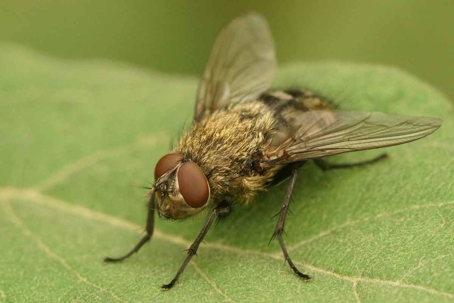
Can Cluster Flies Bite?
Cluster flies (typically Pollenia species) are generally not known to bite humans. They are larger, slow-moving flies that often enter homes in the fall to overwinter. Unlike other, biting flies (like horse flies or deer flies), cluster flies do not feed on human blood. Their mouthparts are adapted for feeding on liquids like nectar or other decaying organic matter, not piercing skin.
They are mostly a nuisance pest rather than a health threat.
They may be found in large numbers inside attics, walls, or around windows during cooler months.
They do not transmit diseases like some other flies can.
If you see marks or bites, they are almost certainly from another insect, such as mosquitoes, fleas, or bed bugs.
Do Cluster Flies Bite?
Cluster flies are extremely unlikely to bite under any circumstances. Their mouthparts are not designed to pierce skin—they feed on nectar, plant fluids, and decaying organic matter. There are no documented situations where a cluster fly would intentionally bite a human or pet.
The only scenarios where people might think they’ve been “bitten” by a cluster fly usually involve:
Accidental contact: A cluster fly landing on your skin may brush against it, causing minor irritation or the sensation of a bite, but this is superficial and not an actual bite.
Misidentification: Many people confuse cluster flies with biting flies such as horse flies, black flies, or stable flies. Actual bites are almost always caused by these species, not cluster flies.
Essentially, cluster flies are non-aggressive, non-biting nuisance insects. Any skin irritation or bumps attributed to them are almost certainly from another source.
Cluster Fly Bites
Since cluster flies do not bite, there are effectively no medical risks directly associated with them. Any skin irritation thought to be from a cluster fly is usually either a false perception or caused by another insect entirely.
The only “risks” related to cluster flies are indirect and mostly nuisance-based:
Allergic reactions from contact: Some people may develop mild skin irritation or redness if they accidentally crush a cluster fly on their skin, as with any insect. Rarely, sensitive individuals could have a minor allergic reaction to proteins from the fly’s body.
Contamination of surfaces: Cluster flies may leave droppings or smears if crushed indoors. While this isn’t a bite risk, it can contribute to minor hygiene issues or trigger allergies in sensitive individuals.
Psychological discomfort: Seeing large numbers of flies indoors, especially in attics or around windows, can cause stress or anxiety, but this is a nuisance rather than a health threat.
There is no risk of disease transmission, blood loss, or infection from a cluster fly bite, because they do not bite.
What Do Cluster Fly Bites Look Like?
Since cluster flies do not bite, any marks attributed to them are not true bites. However, people sometimes misinterpret small red bumps or irritation as a “cluster fly bite.” Here’s what you might see in such cases:
Minor skin irritation from contact: A red or slightly raised bump if a fly brushes against sensitive skin. Usually limited to the area where the fly landed or was accidentally crushed. No puncture marks, bleeding, or open wounds.
Misattributed insect bites: Bites from other small insects (mosquitoes, fleas, or bed bugs) may be mistaken for cluster fly “bites.” These typically appear as small red bumps, often in clusters or lines, itchy or inflamed areas, or sometimes a tiny puncture in the center.
True cluster fly “bites” do not exist. If you have red, itchy bumps, it’s almost certainly caused by a different biting insect, not a cluster fly.
What To Do About Cluster Fly Bites
If you believe you’ve been “bitten” by a cluster fly, the first thing to recognize is that cluster flies do not bite, so any skin reaction is likely from another source. Here’s a professional approach:
Assess the bite or irritation: Look for characteristics of actual insect bites: red bumps, raised welts, itching, or puncture marks. Check for patterns typical of other biting insects, such as clusters or lines (common with fleas or bed bugs).
Clean the affected area: Wash the skin gently with soap and water to reduce the risk of secondary infection. Avoid scratching, which can worsen irritation or lead to infection.
Relieve symptoms: Apply an over-the-counter anti-itch cream (hydrocortisone) or an oral antihistamine if needed. A cool compress can reduce swelling and discomfort.
Identify the real culprit: Inspect your home for insects that actually bite humans: fleas, mosquitoes, bed bugs, or biting flies. Note when and where the bites occur to help determine the source.
Prevent future bites: Reduce exposure to actual biting insects: keep pets treated for fleas, use window screens, and eliminate standing water for mosquitoes. Cluster flies themselves are a nuisance, but controlling them indoors involves sealing entry points and, if necessary, using traps or our professional pest control services. Contact us to learn more about our professional pest control services.
Seek medical attention if needed: If bites worsen, become infected, or trigger a severe allergic reaction (rare but possible with other insects), consult a healthcare professional.
Treat the symptoms, identify the real biting insect, and take preventive measures. Cluster flies themselves are harmless and not a direct cause of bites.