
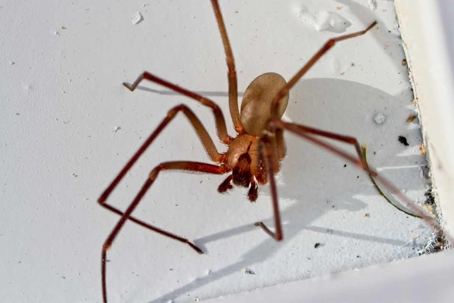
Brown Recluse Spiders Bite
Brown recluse spider bites, while often mild, can occasionally cause serious tissue damage (necrosis) or systemic symptoms. Knowing the signs allows for early recognition and intervention, reducing the risk of complications:
Early Identification: Recognizing a potential brown recluse bite quickly can help distinguish it from other insect bites or skin conditions, ensuring the proper treatment is sought rather than misdiagnosing it as a minor wound or infection.
Timely Medical Response: Awareness enables people to seek medical care promptly, especially if the bite progresses to blistering, ulceration, or systemic effects. Early care can prevent secondary infections and limit tissue loss.
Prevention of Mismanagement: Without proper knowledge, people may attempt ineffective or harmful remedies (e.g., cutting the bite, applying harsh chemicals, or delaying treatment), which can worsen outcomes.
Reducing Anxiety and Misconceptions: Many people overestimate the danger of brown recluse bites or confuse minor bites with severe ones. Proper knowledge helps calm unnecessary fears while emphasizing appropriate caution.
Understanding brown recluse bites is crucial for early detection, safe management, prevention of complications, and effective communication in both personal and professional settings. It bridges the gap between minor irritation and serious medical intervention.
When Do Brown Recluse Spiders Bite?
Brown recluse spiders are generally reclusive and avoid human contact, so bites from these spiders are relatively uncommon. When bites do occur, they usually happen under situations where the spider feels threatened or trapped. Common scenarios include:
Accidental compression against skin – Most bites happen when a brown recluse is pressed against the skin, such as when someone puts on clothing, shoes, or gloves that a spider is hiding in.
Disturbing their hiding places – Brown recluses often hide in undisturbed areas like attics, basements, closets, cardboard boxes, or storage areas. Reaching into these areas without first checking can provoke a bite.
Rolling over onto them while sleeping – Although rare, if a spider is hiding in bedding or clothing and becomes trapped against the body, it may bite.
Handling infested items – Moving piles of clothing, boxes, or furniture where brown recluses are present can lead to defensive bites.
Situations involving restraint or threat – If someone tries to kill or trap a spider, it may bite in self-defense.
In essence, bites are almost always defensive, not aggressive. Brown recluses do not actively hunt humans—they prefer to retreat. Preventing bites involves minimizing contact by shaking out clothing and shoes, storing items off the floor, and reducing clutter in areas where these spiders may hide.
Brown Recluse Spider Bites
Here are the risks most commonly associated with brown recluse spider bites, based on clinical evidence and documented cases:
Local Tissue Damage (Most Common Risk): The primary risk is localized skin necrosis, which occurs in a small subset of bites. This manifests as ulceration, tissue sloughing, and a slow-healing wound that can take weeks to months to fully resolve. Scarring and permanent pigmentation changes are possible even after healing.
Infection: Secondary bacterial infections can occur if the bite area is not kept clean. Signs include increased redness, warmth, pus, foul odor, or rapidly spreading swelling. Prompt wound care reduces the risk significantly.
Pain and Inflammation: Even bites that don’t result in necrosis can cause moderate to severe pain, swelling, and itching. This discomfort can interfere with daily activities temporarily.
Systemic Symptoms (Less Common): Fever, chills, headache, nausea, and general malaise can occur in some individuals. Muscle pain and joint stiffness are reported in more severe reactions. Children, elderly individuals, and people with compromised immune systems are more susceptible to systemic effects.
Allergic Reactions (Rare): Some individuals may experience an allergic or hypersensitivity response, resulting in swelling, redness beyond the bite area, or itching. Severe allergic reactions (anaphylaxis) are extremely uncommon but possible.
Misdiagnosis and Complications from Delayed Treatment: Many brown recluse bites are misidentified, which can delay proper wound care. Untreated necrotic wounds may worsen or lead to unnecessary tissue damage. Misdiagnosed bites sometimes lead to inappropriate treatments or prolonged recovery.
Functional Impairment (Rare, Severe Cases): Large necrotic lesions may affect joint mobility or muscle function if located near joints or deeper tissue layers. Surgical intervention, skin grafts, or other reconstructive procedures may be required in extreme cases.
The most likely risks are mild to moderate local reactions: redness, swelling, pain, and occasional tissue damage. Severe complications like systemic symptoms, extensive necrosis, or functional impairment are rare.
Do Brown Recluse Spider Bites Hurt?
Yes, but the pain profile of a brown recluse spider bite is somewhat unusual compared to many other insect bites:
Immediate Pain: Often, a brown recluse bite is painless or only mildly uncomfortable at first. This can make it easy to overlook or confuse with a minor scratch or mosquito bite.
Early Hours (0–8 hours): Some people experience mild stinging, burning, or itching, but the intensity is usually low. Swelling may be minimal, so the bite can initially seem insignificant.
Later Pain (12–48 hours): Pain can increase gradually, often described as a deep ache or burning sensation. If tissue damage begins, the area can become tender to touch, and surrounding skin may feel firm or inflamed.
Severe Pain (3–7 days, uncommon): In cases where necrosis develops, pain can become sharp, throbbing, or intense, especially as the ulcer grows and surrounding tissue becomes inflamed. Pain is usually localized, but swelling and inflammation may radiate slightly beyond the bite site.
Variation Among Individuals: Some people barely feel pain at all and only notice redness or a small blister. Others, particularly children or sensitive adults, may experience significant discomfort even without necrosis.
Brown recluse bites often start almost painless but can become painful over time, especially if the bite progresses to tissue damage. Early pain is typically mild, which is why many bites go unnoticed initially.
Do Brown Recluse Spider Bites Itch?
Yes, brown recluse spider bites can itch, but it’s not always a prominent symptom:
Initial Stage (0–8 hours): Many bites produce little to no itching at first. Some people notice mild irritation or tingling, which can be mistaken for a minor insect bite.
Early Reaction (8–24 hours): Itching may develop as the bite site becomes slightly red or swollen. This itch is generally mild to moderate, not severe like a mosquito bite.
Later Stages (1–3 days): If a blister or necrotic lesion forms, the surrounding skin may become itchy as part of the inflammatory process. Scratching should be avoided, as it increases the risk of infection and may worsen tissue damage.
Variation Between Individuals: Some people experience very little itch and mainly report pain or tenderness. Others may notice more pronounced itching, especially if they are sensitive to venom or have mild allergic reactions.
Itching is possible but usually secondary to redness, swelling, or tissue irritation rather than the primary symptom. Pain and lesion formation are generally more notable indicators of a brown recluse bite than itch.
What Do Brown Recluse Spider Bites Look Like?
Here’s what a brown recluse spider bite can look like and how it may progress:
Initial Appearance (0–8 hours): The bite often starts as a small, painless or slightly itchy red spot. There may be mild swelling, but many people don’t notice immediate pain. Sometimes the site appears as a simple puncture mark, often difficult to distinguish from other insect bites.
Early Progression (8–24 hours): Redness can intensify, and a small blister may form at the bite site. Some people report a burning sensation or mild stinging pain. A pale or whitish center may appear, giving the bite a “target” or “bullseye” appearance, though this is not always present.
Intermediate Stage (24–72 hours): The bite may become increasingly painful and tender to touch. Swelling can spread slightly around the area. The center can turn dark purple or blue as tissue damage begins in rare cases.
Severe Reaction (3–7 days, uncommon): In a small percentage of cases, necrosis (tissue death) develops at the bite site, leading to an ulcer or open sore with a dark, crusted center. The wound may grow in size over time if untreated. Surrounding skin can show redness, warmth, and induration (hardening).
Systemic Symptoms (rare but serious): Fever, chills, nausea, muscle pain, joint pain, or general malaise can occur in more severe reactions. Children and the elderly are more susceptible to systemic effects.
Not all brown recluse bites develop necrosis; many resolve on their own with minimal local reaction. The classic “red, white, and blue” appearance (central blister, pale surrounding area, red outer ring) is often cited but is not a definitive diagnostic feature. Bite location is commonly on areas that are covered, like the torso, arms, or legs, rather than hands and face.
Do Brown Recluse Spider Bites Swell?
Yes, swelling is a common feature of brown recluse spider bites, though its severity varies depending on the individual and the bite’s progression:
Immediate Stage (0–8 hours): Swelling is usually minimal or subtle at first. Many bites appear only as a small red spot or puncture mark, which can be easily overlooked.
Early Reaction (8–24 hours): Localized swelling begins to develop around the bite site. The area may feel slightly firm or raised, and redness may start to extend a short distance from the bite.
Intermediate Stage (24–72 hours): Swelling can increase moderately, often accompanied by tenderness or pain. In some cases, the skin may take on a pale center with a red outer ring, creating a “target” appearance.
Severe or Necrotic Stage (3–7 days, uncommon): If necrosis develops, swelling may become more pronounced, surrounding the darkened or blistered center. The affected area may feel warm and firm due to inflammation.
Factors Influencing Swelling: Bite location (covered areas like torso or limbs) can impact how noticeable swelling is. Individual sensitivity, immune response, and activity level after the bite can all affect swelling intensity.
Swelling is a typical local reaction, usually mild to moderate in most cases. Significant swelling, especially with increasing redness or tenderness, may indicate progression toward tissue damage and should prompt medical evaluation.
Do Brown Recluse Spider Bites Cause Blisters?
Yes, brown recluse spider bites can cause blisters, but not all bites will produce them:
Early Stage (0–8 hours): The bite often starts as a small red or slightly raised spot. Blisters are rare at this initial stage.
Within 12–24 hours: Some bites begin to form a small, fluid-filled blister at the center of the lesion. The area may also become slightly red, tender, or itchy.
Intermediate Stage (24–72 hours): Blisters, if they develop, can enlarge and become more noticeable, sometimes with a pale center and reddened outer ring. Pain or a burning sensation may accompany the blister.
Severe or Necrotic Stage (3–7 days, uncommon): In bites that progress to necrosis, blisters may rupture, leaving an open sore or ulcer. The surrounding skin can become inflamed and firm.
Variation Among Individuals: Some people never develop blisters and may only notice redness, tenderness, or a small puncture mark. The likelihood of blister formation increases if the bite site develops tissue damage.
Blistering is a possible symptom of brown recluse bites, often appearing within the first day or two, but it is not universal. Blisters that rupture or persist may signal progression toward necrosis, and medical evaluation is recommended.
Do Brown Recluse Spider Bites Cause Necrosis?
Yes, brown recluse spider bites can cause necrosis, but it is important to understand the likelihood:
Frequency of Necrosis: Most brown recluse bites do not result in necrosis. Only a small percentage of bites—estimates range from about 10% to 15%—develop significant tissue damage.
Mechanism: Necrosis occurs due to venom components (especially sphingomyelinase D) that destroy local tissue and blood vessels. The damage may extend beyond the initial bite site, forming a dark, ulcerated area.
Appearance: Necrotic lesions often have a dark or bluish center surrounded by pale tissue and a red outer ring (“red, white, and blue” pattern). Over time, the lesion may expand, crust, and form an open sore. Healing can take weeks to months, and scarring is common.
Risk Factors: Children, elderly individuals, or people with weakened immune systems are more susceptible. Delayed cleaning or trauma to the bite site can exacerbate tissue damage.
Complications: Secondary bacterial infection is more likely in necrotic bites. In rare severe cases, surgical intervention or skin grafting may be necessary.
Necrosis is a possible but uncommon outcome of a brown recluse bite. Most bites cause only mild local reactions, but careful monitoring is essential to catch the rare cases that progress to tissue damage.
What To Do About Brown Recluse Spider Bites
Here's what to do if you get bitten by a brown recluse spider:
Immediate First Aid: Wash the bite site gently with soap and cool running water to reduce the risk of infection. Apply a cold compress or ice pack wrapped in a cloth for 10–15 minutes at a time to help reduce pain and swelling. Avoid using heat, as it can worsen tissue damage. Do not scratch, squeeze, or rub the bite, since this can increase tissue injury and the risk of infection.
Monitor Symptoms: Observe the bite for changes such as increasing pain, swelling, redness, blistering, or darkening. Watch for systemic symptoms including fever, chills, nausea, muscle aches, or joint pain, which indicate the need for prompt medical evaluation.
Pain and Swelling Management: Over-the-counter pain relievers, such as acetaminophen or ibuprofen, can help manage discomfort. Elevate the affected limb if possible to reduce swelling.
Seek Medical Evaluation: Contact a healthcare provider immediately if the bite worsens, forms a blister or ulcer, shows intense pain, rapidly spreading redness, or tissue darkening. Systemic symptoms such as fever, chills, or nausea also warrant urgent medical attention. A doctor may provide wound care, prescribe antibiotics if infection occurs, or, in severe necrotic cases, perform surgical intervention such as debridement or skin grafting.
Avoid Unproven Remedies: Do not attempt to cut, suction, or apply chemicals to the bite. Home remedies can worsen tissue damage and delay proper healing.
Documentation and Follow-Up: Take photos of the bite to track changes over time. Follow up with a healthcare provider until the lesion has fully healed, especially if necrosis develops or if the wound shows signs of infection.
Prevent Future Bites: To prevent future bites, you should take steps to get rid of the brown recluse spiders from your home or business. Contact our team of experts for professional pest control services.
Most brown recluse bites are mild and resolve with minimal intervention, but careful monitoring and prompt medical attention for worsening symptoms are essential to prevent serious complications.
Last Updated: 12/19/2025